 Tuesday, October 27, 2026
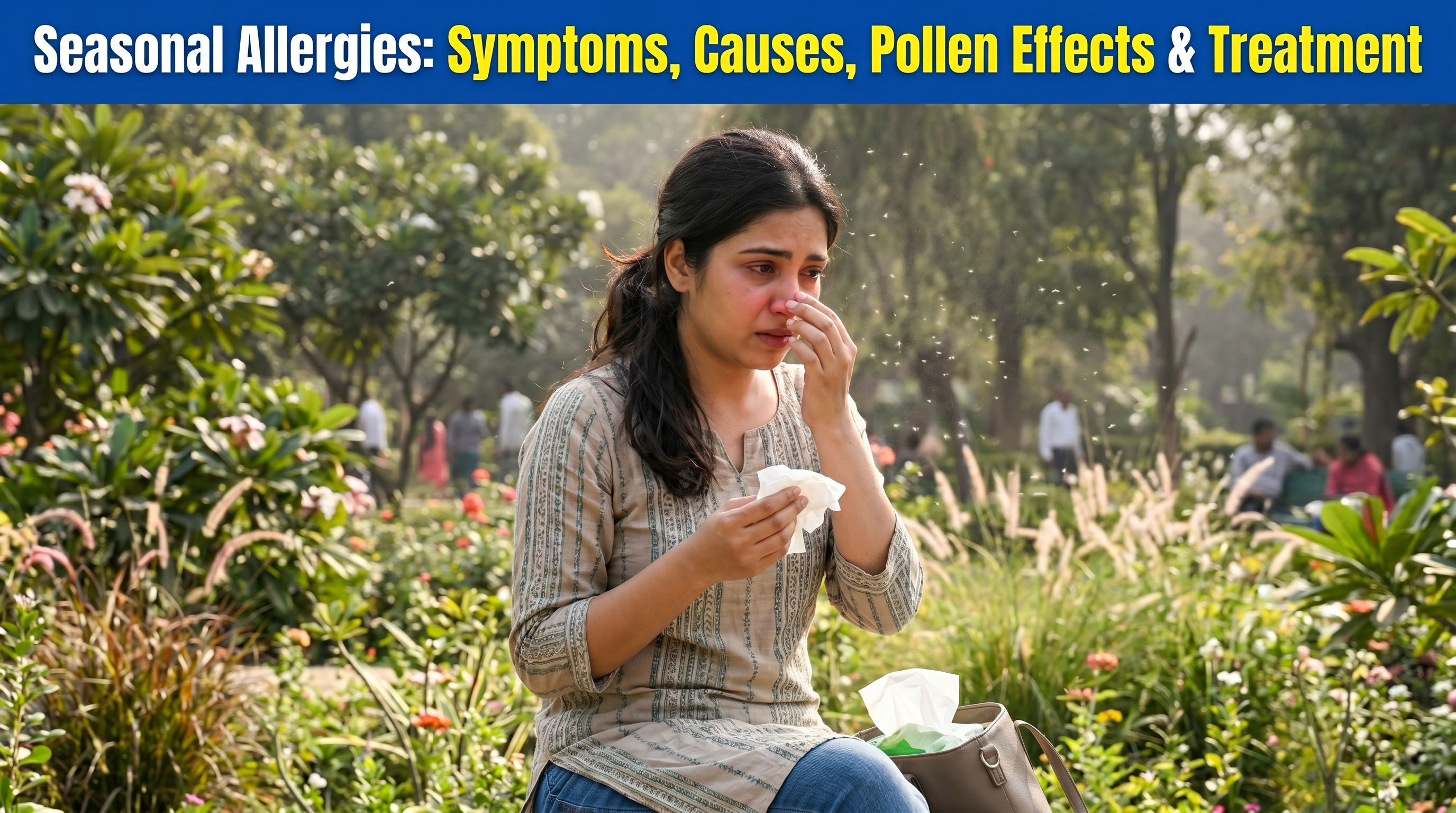
 Seasonal allergies are a common yet often underestimated health concern triggered by environmental factors like pollen. Understanding pollen allergy symptoms and patterns helps manage discomfort and maintain daily productivity.




Seasonal Allergies and Why They Occur
Seasonal allergies occur when the immune system reacts to substances in the environment that are otherwise harmless. The most common trigger is pollen released by trees, grasses, and weeds during specific times of the year.
Unlike infections, these reactions are not caused by bacteria or viruses. Instead, the body mistakenly identifies pollen as a threat and releases chemicals like histamine, leading to typical seasonal allergy symptoms.
In real life, this often looks like someone experiencing sneezing fits every morning during spring or struggling with itchy eyes while commuting. These patterns are strongly linked to pollen season, which varies depending on climate and location.
What Triggers Seasonal Allergies?
Role of Pollen and Environmental ExposureThe main cause of allergies and pollen interaction is airborne pollen particles. These tiny particles travel easily through the air and enter the body through the nose, eyes, or throat.
Different plants release pollen at different times:
- Trees dominate early spring
- Grasses peak in late spring and summer
- Weeds (like congress grass) affect late summer and autumn
For example, someone sensitive to grass allergy may feel fine in early spring but develop symptoms as summer approaches.
Influence of Weather and EnvironmentWeather plays a major role in allergy severity. Dry, windy days increase pollen spread, while rain temporarily reduces it.
Urban environments may worsen symptoms due to pollution interacting with pollen, intensifying effects of pollen allergy. This explains why people in cities often report more severe symptoms than those in rural areas.
Common Seasonal Allergy Symptoms
Early and Mild SymptomsThe most noticeable pollen allergy symptoms are often mistaken for a common cold.
These include:
- Sneezing and nasal congestion
- Runny or blocked nose
- Itchy throat or ears
For instance, someone may think they have a mild cold, but if symptoms appear at the same time each year, it is more likely allergy to pollen.
Advanced and Persistent SymptomsWhen exposure continues, symptoms can become more intense and affect daily comfort.
- Red, watery eyes (pollen eye allergy)
- Continuous fatigue
- Difficulty concentrating
In severe cases, severe pollen allergy may interfere with sleep and productivity, making routine activities challenging.
Effects of Pollen Allergy on Daily Life
Physical ImpactThe effects of pollen allergy go beyond sneezing. Persistent inflammation can lead to sinus pressure, headaches, and breathing discomfort.
For example, someone commuting through high pollen weather may experience constant irritation, reducing their ability to focus at work.
Mental and Lifestyle ImpactAllergies also affect mood and energy. Poor sleep due to blocked nasal passages can lead to daytime fatigue and irritability.
This overlap between physical discomfort and mental fatigue highlights how seasonal allergies influence overall well-being, not just respiratory health.
Seasonal Patterns: When Allergies Are Most Common
Spring and Summer AllergiesSpring is known for tree pollen, while summer brings summer allergies caused by grasses.
For example, individuals sensitive to grass pollen may notice worsening symptoms during outdoor activities like sports or travel.
Autumn and Winter AllergiesLate summer and autumn involve weed pollen, including congress grass allergy, which is common in certain regions.
Although winter is often considered a relief period, winter allergies can still occur due to indoor triggers like dust or mold. These are sometimes confused with perennial allergies, which persist throughout the year.
Seasonal Allergies in Children and Adults
Childhood Allergy PatternsChildhood allergy often begins early and may change over time. Children may show symptoms like frequent sneezing, watery eyes, or difficulty breathing during outdoor play.
Parents often mistake this for repeated infections, delaying proper identification of seasonal allergy symptoms.
Adult-Onset AllergiesInterestingly, adults can also develop nature allergies later in life. A person who never had allergies before may suddenly react to pollen due to environmental changes or immune shifts.
This unpredictability makes awareness of pollen allergy symptoms essential across all age groups.
Treatment and Management of Seasonal Allergies
Medical Treatment OptionsSeasonal allergies treatment typically includes antihistamines, nasal sprays, or other prescribed medications. These help control symptoms rather than cure the condition.
In more severe cases, long-term approaches like immunotherapy may be considered.
Practical Home ManagementAlongside medical care, simple lifestyle adjustments can significantly reduce symptoms:
- Keep windows closed during high pollen season
- Wash face and clothes after outdoor exposure
- Use air purifiers indoors
These steps form the basis of pollen allergy treatment at home, helping reduce daily discomfort without major lifestyle changes.
Preventing and Reducing Allergy Triggers
Daily Preventive HabitsManaging seasonal allergies often depends on consistency.
- Check pollen levels before going outdoors
- Avoid peak pollen hours (early morning)
- Wear sunglasses to reduce pollen eye allergy
These small adjustments can reduce exposure and improve comfort.
Long-Term AwarenessUnderstanding personal triggers is key. For example, someone affected by extreme pollen allergy may need stricter precautions compared to mild cases.
Tracking symptoms over time helps identify patterns and improve long-term management.
Related Conditions and Overlaps
Seasonal Fever and Allergy ConfusionSeasonal fever symptoms can sometimes overlap with allergies, causing confusion. However, fever is usually associated with infections, not allergies.
Recognizing the difference helps avoid unnecessary treatments.
Environmental and Perennial AllergiesSome individuals experience environmental allergies icd10 classifications, which include both seasonal and year-round triggers.
This overlap explains why some people feel symptoms even outside typical pollen season, especially in indoor environments.
Conclusion: Living Comfortably with Seasonal AllergiesSeasonal allergies are a part of life for many, but they do not have to disrupt daily routines. By understanding pollen allergy symptoms, recognizing triggers, and adopting simple management strategies, it becomes easier to maintain comfort and productivity.
Rather than avoiding the outdoors completely, a balanced approach—combining awareness, prevention, and treatment—helps individuals navigate each season more effectively.
FAQs
- What are the most common seasonal allergy symptoms?
The most common seasonal allergy symptoms include sneezing, runny nose, itchy eyes, and nasal congestion. These symptoms usually appear during specific times of the year when pollen levels are high.
In real life, people often notice symptoms worsening outdoors or after exposure to plants, which helps differentiate allergies from infections.
- How do I know if I have a pollen allergy?
If symptoms like sneezing, itchy eyes, and congestion occur repeatedly during certain seasons, it may indicate allergy to pollen.
Unlike a cold, symptoms persist as long as exposure continues and do not typically include fever.
- What causes seasonal allergies?
Seasonal allergies are caused by the immune system reacting to pollen from trees, grasses, or weeds. Environmental factors like wind and pollution can increase exposure and worsen symptoms.
- Can seasonal allergies be cured permanently?
There is no complete cure, but seasonal allergies treatment can effectively control symptoms. Long-term therapies may reduce sensitivity over time.
- What is the best treatment for pollen allergy at home?
Pollen allergy treatment at home includes reducing exposure by keeping indoor spaces clean, washing after outdoor activities, and avoiding high pollen times.
- Are seasonal allergies worse in certain weather conditions?
Yes, dry and windy conditions increase pollen spread, making symptoms worse. Rain can temporarily reduce pollen levels and provide relief.
- Can seasonal allergies cause fatigue?
Yes, the effects of pollen allergy include fatigue due to poor sleep and constant immune response, which can drain energy levels.
- What is the difference between seasonal and perennial allergies?
Seasonal allergies occur during specific times of the year, while perennial allergies persist year-round due to triggers like dust or mold.
- Are children more affected by seasonal allergies?
Childhood allergy is common, and children may show symptoms during outdoor activities. Early identification helps manage symptoms effectively.
- How can I prevent seasonal allergies effectively?
Prevention involves minimizing exposure, tracking pollen season, and maintaining consistent habits like indoor cleanliness and protective measures outdoors.
Understanding personal triggers is key to long-term control of seasonal allergies.





-23-300x250.png)

.jpeg)






.jpg)
.jpg)
.jpg)
.jpg)
.jpg)
.jpg)
.jpg)
.jpg)
.jpg)



