 Thursday, October 08, 2026
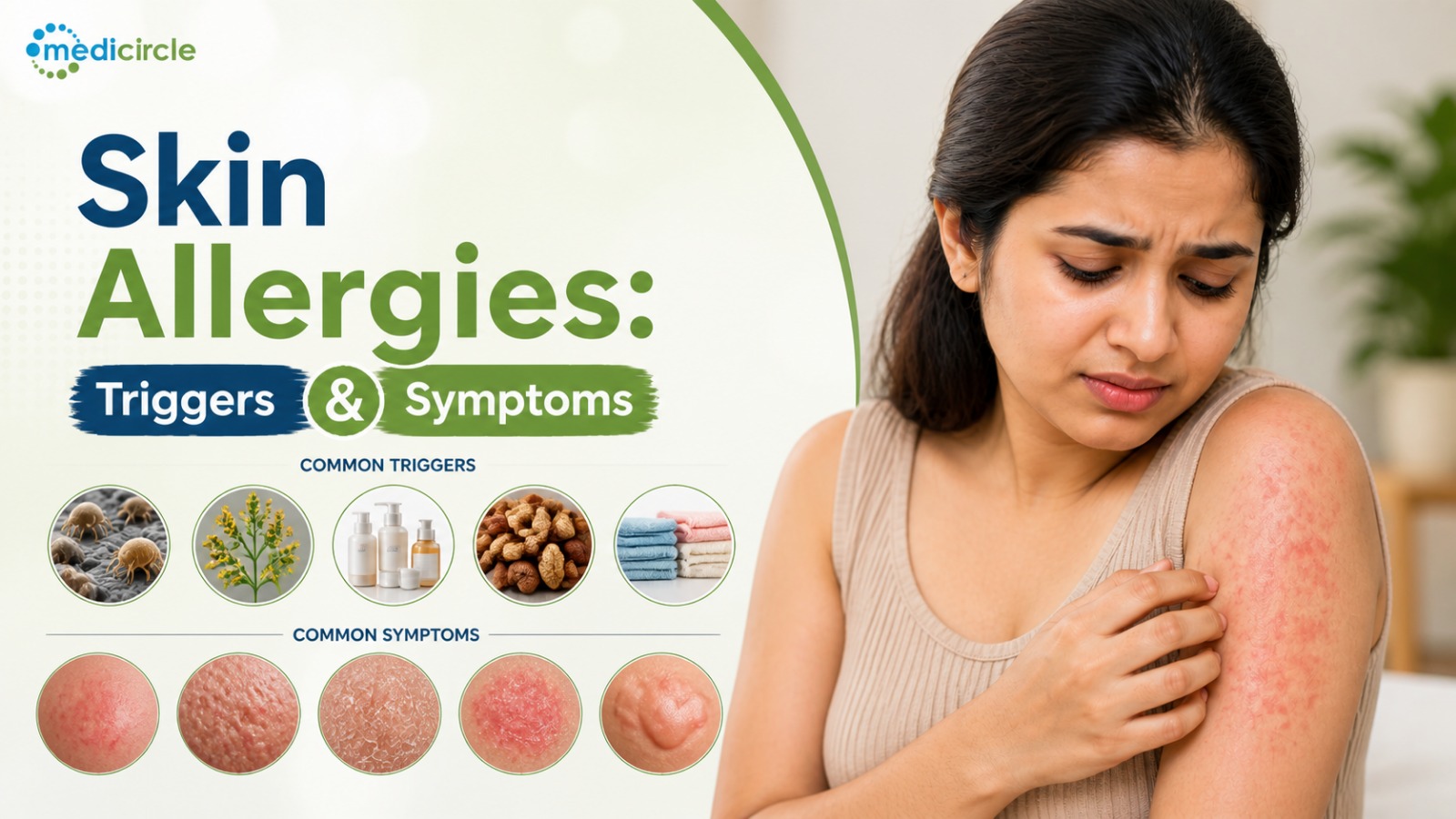
 Skin allergies and eczema are influenced by a combination of eczema food triggers, environmental factors, and lifestyle patterns. Understanding how triggers interact helps manage symptoms effectively and supports long-term skin health.




Skin irritation often appears suddenly, but it rarely happens without a cause. Many adults experience itching, redness, or dryness without realizing these are early signs of skin allergies. Understanding eczema food triggers and environmental causes helps identify why symptoms occur and how they can be managed effectively.
Why Skin Allergies Develop and How the Body Reacts
Skin allergies are not just surface-level reactions. They begin as an internal response where the immune system reacts to substances it considers harmful. This reaction can be triggered by food, dust, climate, or even lifestyle habits.
When the body detects a trigger, it releases chemicals that lead to inflammation, causing visible symptoms such as redness, itching, or swelling. This is why people often wonder, can allergies cause dermatitis or whether irritation is simply dryness.
The answer lies in how the immune system behaves. In some individuals, even mild triggers like environmental dust or certain foods can create strong reactions. This is also why conditions such as eczema are closely linked to allergies.
For example, can dust cause eczema is a common concern. Dust particles may not directly cause eczema, but they can worsen symptoms by irritating sensitive skin.
Understanding this process helps explain why symptoms vary from person to person and why identifying triggers is essential.
How Symptoms Reveal Hidden Allergy Triggers
Skin allergies rarely present the same way for everyone. Symptoms often provide clues about what might be causing the reaction.
Some individuals notice dryness and flaking, while others experience intense itching or redness. These differences are not random. They reflect how the body reacts to specific triggers.
For instance, if symptoms appear after eating certain foods, it raises the question, can food cause eczema. In many cases, the answer is yes, especially when the immune system reacts to specific food proteins.
Common Symptom Patterns to Watch- Persistent itching that worsens at specific times of the day
This often indicates exposure to environmental triggers such as dust or temperature changes. It may also suggest underlying sensitivity linked to allergies that cause eczema. - Redness and inflammation after meals or certain foods
This pattern may point toward food allergies that cause eczema, especially when symptoms appear consistently after eating specific items. - Dry patches that do not respond to regular skincare
When dryness persists, it may be linked to internal triggers rather than external factors, raising concerns like could eczema be caused by food allergies. - Sudden flare-ups without visible external cause
These episodes often indicate hidden triggers such as stress, diet, or environmental exposure.
Recognizing these patterns helps connect symptoms with triggers rather than treating them in isolation.
Food and Skin Allergies: Understanding the Connection
The relationship between diet and skin health is more complex than it appears. Many people ask, does food cause eczema or whether certain foods can worsen symptoms.
The truth is that food does not affect everyone in the same way. However, in individuals with sensitive immune systems, certain foods can trigger inflammation.
How Food Interacts with Skin Reactions- Certain foods can trigger immune responses that affect the skin
This explains why do food allergies cause eczema is a common concern. The body reacts internally, but the symptoms appear externally. - Inflammation caused by food may worsen existing conditions
Even if food does not directly cause eczema, it can aggravate symptoms, making it important to identify food that aggravates eczema. - Repeated exposure increases sensitivity over time
This is why some people notice worsening symptoms after regularly consuming certain foods. - Individual tolerance varies significantly
What affects one person may not affect another, making it essential to observe personal patterns.
Understanding this connection helps individuals make informed choices without unnecessary restrictions.
Common Food Triggers That May Worsen Eczema
Identifying common food triggers for eczema is an important step in managing symptoms. While triggers vary, some foods are more commonly associated with flare-ups.
Dairy, processed foods, and certain proteins are often linked to reactions. Many people also ask, do eggs cause eczema, as eggs are a known allergen for some individuals.
The concept of worst food triggers for eczema depends on individual sensitivity rather than a universal list. However, processed foods and high-sugar diets are often associated with inflammation.
Understanding food not to eat with eczema involves recognizing patterns rather than avoiding all potential triggers.
Environmental and Lifestyle Triggers Beyond Food
Food is not the only factor influencing skin allergies. Environmental elements and lifestyle habits play a significant role.
For example, can dust cause eczema is a frequent question. Dust can irritate the skin and worsen symptoms, especially in individuals with sensitive skin.
Climate also affects skin health. Dry weather can lead to increased irritation, while humidity may cause sweating, which can trigger itching.
Lifestyle factors such as stress and sleep patterns also influence skin reactions. Stress, in particular, can weaken the skin barrier, making it more vulnerable to allergens.
These factors highlight the importance of looking beyond diet when identifying triggers.
How to Identify Personal Triggers Through Daily Patterns
Identifying triggers requires observation and consistency. Instead of focusing on isolated symptoms, it is important to track patterns over time.
Keeping a simple record of food intake, environmental exposure, and symptom timing can reveal connections that are not immediately obvious.
For example, if symptoms appear after consuming certain foods repeatedly, it may indicate food that causes eczema. Similarly, if flare-ups occur in specific environments, it may point to external triggers.
This process helps answer questions such as can food trigger eczema and provides clarity on individual sensitivities.
Managing Skin Allergies Without Overcomplicating It
Managing skin allergies involves balancing awareness with practicality. Over-restricting diet or lifestyle can create unnecessary stress, which may worsen symptoms.
Instead, focusing on gradual adjustments helps maintain balance. For example, reducing exposure to known triggers while maintaining a consistent routine supports better outcomes.
Understanding is eczema caused by food allergies as part of a broader picture helps avoid oversimplification. Skin allergies are influenced by multiple factors, and effective management requires a holistic approach.
Challenges in Identifying Allergy Triggers
One of the biggest challenges is the delayed nature of reactions. Symptoms may not appear immediately after exposure, making it difficult to identify the cause.
Additionally, overlapping triggers can create confusion. For example, a combination of food and environmental factors may contribute to symptoms, making it harder to isolate a single cause.
This complexity explains why questions like common food allergies that cause eczema do not always have straightforward answers.
Practical Insights for Long-Term Skin Health
Maintaining skin health requires consistency and awareness. Small changes in diet, environment, and lifestyle can make a significant difference over time.
Focusing on overall well-being rather than quick fixes helps in managing symptoms effectively. This includes maintaining hydration, balanced nutrition, and a stable routine.
Understanding how allergies that cause dermatitis interact with daily habits allows individuals to make informed decisions.
Conclusion
Skin allergies are often the result of multiple interacting factors rather than a single cause. Understanding symptoms, identifying triggers, and observing patterns are key to managing conditions like eczema.
Whether the concern is eczema food triggers, environmental factors, or lifestyle habits, a balanced approach helps reduce discomfort and improve overall skin health.
Frequently Asked Questions (FAQs)
1. How do I know if my skin allergy is triggered by food or environment?Identifying the source requires observing patterns over time. If symptoms appear after meals, it may indicate eczema food triggers linked to internal reactions. If flare-ups occur in certain environments, factors like dust or climate may be involved. Tracking habits and exposure helps connect symptoms with triggers while supporting better skin irritation management.
2. Can adult skin allergies suddenly develop without prior history?Yes, adult skin allergies can develop later in life due to changes in immunity, stress, or environment. New sensitivities may arise from repeated exposure to triggers. This is why allergies that cause eczema may appear even if there was no issue earlier, highlighting the importance of understanding lifestyle influence on skin health.
3. Why do eczema flare-ups happen even when diet seems controlled?Even with a balanced diet, flare-ups can occur due to environmental or internal factors. Stress, weather changes, or exposure to irritants may still trigger reactions. This explains why can allergies cause dermatitis is a common concern, as multiple triggers often interact together.
4. Can changing diet alone completely manage eczema symptoms?Diet plays a role, but it is not the only factor. While reducing food that aggravates eczema may help, other triggers like stress and environment also need attention. A combined approach focusing on gut balance and external factors provides better long-term results.
5. How quickly do food-related skin reactions appear?Food-related reactions may appear within hours or take longer depending on individual sensitivity. This delay makes it difficult to directly link symptoms with specific foods. Understanding food allergies that cause eczema requires consistent observation and awareness of body response patterns.
6. Can dust exposure worsen existing eczema symptoms?Yes, environmental factors like dust can irritate sensitive skin and worsen symptoms. This is why people often ask, can dust cause eczema, especially when flare-ups occur indoors. Managing exposure supports better skin comfort and irritation control.
7. Are there specific times when eczema symptoms become worse?Symptoms often worsen at night or during temperature changes. Dry air or sweating can trigger itching and irritation. These patterns are influenced by both internal and external factors, including common allergies that cause eczema and environmental sensitivity.
8. How does stress affect skin allergies and eczema?Stress can weaken the skin barrier and increase inflammation, making the skin more reactive to triggers. It may not directly cause eczema, but it can worsen symptoms linked to allergies that cause dermatitis. Managing stress supports overall skin health stability.
9. Can certain foods trigger eczema only in adults but not in children?Yes, sensitivity varies with age and lifestyle. Adults may develop reactions to foods they previously tolerated. This explains why can food trigger eczema becomes more relevant over time, especially with changes in diet and immune response behavior.
10. Is it possible to have multiple triggers for the same skin condition?Yes, most skin allergies are influenced by multiple factors rather than a single cause. Food, environment, and lifestyle often interact together. Understanding common food allergies that cause eczema along with external triggers helps in managing symptoms more effectively and maintaining long-term skin balance.






.jpeg)








.jpg)
.jpg)
.jpg)
.jpg)
.jpg)
.jpg)


.jpg)
.jpg)
.jpg)