Tuesday, October 27, 2026
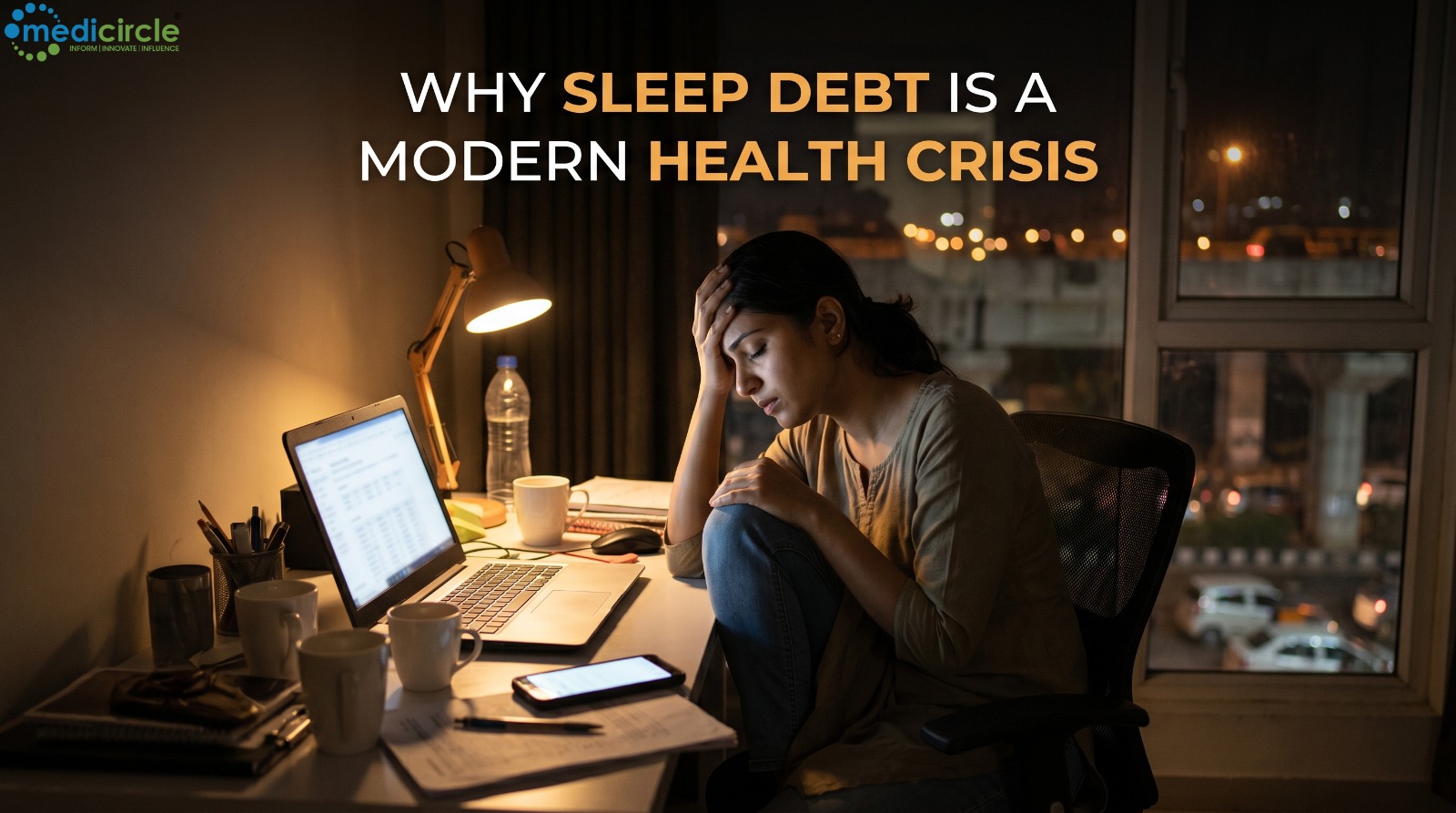
 Sleep debt has quietly become one of the most overlooked public health concerns of modern life. From reduced concentration and emotional exhaustion to metabolic disorders and weakened immunity, chronic sleep deprivation affects nearly every system in the body.





Why Sleep Debt Is a Modern Health Crisis
Modern life has normalized exhaustion. Long work hours, endless scrolling, night shifts, binge-watching, late-night studying, and constant digital stimulation have quietly reduced sleep from a biological necessity to something many people treat as optional. Yet the body does not adapt to insufficient sleep as easily as modern culture assumes.
Sleep debt refers to the difference between the amount of sleep the body needs and the amount it actually receives. If someone needs eight hours of sleep but consistently gets six, they accumulate two hours of sleep deficit every night. Over days and weeks, that deficit compounds into a physiological burden affecting the brain, metabolism, cardiovascular system, immunity, and emotional regulation.
Unlike temporary fatigue after a busy day, chronic sleep deprivation alters how the body functions internally. Many people continue working, studying, and socializing without realizing that reduced sleep quality is steadily impairing memory, judgment, reaction time, and hormonal balance.
The modern health crisis surrounding sleep is not only about sleeping less. It is also about fragmented sleep, poor sleep hygiene, irregular schedules, and the growing inability to disconnect mentally before bedtime.
What Is Sleep Debt?
Sleep debt is the accumulated effect of not getting enough restorative sleep over time. It can develop gradually and may not always produce immediate symptoms.
For example:
Sleeping six hours instead of eight for five nights creates a 10-hour sleep deficit
Staying awake late during weekends while waking early for work contributes to irregular sleep recovery
Repeated interrupted sleep can create functional sleep deprivation even if total sleep time appears adequate
The body attempts to compensate temporarily, but biological recovery becomes increasingly difficult with prolonged sleep restriction.
Research increasingly shows that people can become psychologically accustomed to feeling tired. This means individuals may believe they are functioning normally while cognitive performance continues to decline.
Why Sleep Debt Has Become So Common
Modern routines are designed in ways that often conflict with human circadian biology.
Digital Overstimulation
Smartphones, streaming platforms, gaming, and social media encourage delayed bedtimes. Blue light exposure at night suppresses melatonin production, making it harder for the brain to transition into sleep mode naturally.
Work Culture and Productivity Pressure
Many professionals associate reduced sleep with ambition or discipline. Healthcare workers, corporate employees, entrepreneurs, and students frequently sacrifice rest to meet deadlines or productivity goals.
Shift workers are particularly vulnerable because irregular schedules disrupt the body’s natural circadian rhythm.
Chronic Stress and Mental Overload
Stress does not always prevent sleep directly. Often, it creates hyper-alertness that delays deep restorative sleep. Many people sleep physically but remain mentally active throughout the night.
This overlap between sleep and mental health is significant because anxiety, burnout, depression, and insomnia frequently reinforce one another.
What Are the Effects of Sleep Debt?
The effects of sleep debt extend far beyond feeling sleepy during the day. Sleep influences nearly every biological system.
Cognitive and Brain Function Impairment
The brain depends on sleep for restoration, memory consolidation, emotional processing, and decision-making.
When sleep deprivation becomes chronic, common effects include:
Reduced concentration
Slower reaction time
Difficulty learning new information
Impaired judgment
Reduced creativity
Forgetfulness
Emotional irritability
A practical example is someone rereading the same paragraph repeatedly without retaining information. Another example is delayed reaction while driving despite feeling “awake enough.”
Medical interns, shift workers, and students preparing for examinations often experience cognitive exhaustion caused by accumulated sleep debt, even if caffeine temporarily masks the fatigue.
Sleep Debt and Emotional Regulation
Lack of sleep significantly affects emotional stability. Small stressors feel larger, patience decreases, and emotional resilience weakens.
People experiencing chronic sleep deprivation often report:
Increased anxiety
Mood instability
Emotional numbness
Low motivation
Reduced stress tolerance
Sleep loss also increases activity in the amygdala, the brain’s emotional processing center, making emotional reactions more intense.
This is why people under significant sleep restriction frequently feel emotionally overwhelmed despite relatively manageable daily situations.
Metabolic and Hormonal Effects
Sleep directly influences metabolism and hormonal balance.
Insufficient sleep alters hormones involved in hunger regulation, particularly ghrelin and leptin. As a result, people experiencing sleep debt often crave calorie-dense foods and experience reduced satiety.
This contributes to:
Weight gain
Increased sugar cravings
Insulin resistance
Higher risk of type 2 diabetes
Reduced metabolic efficiency
A common real-world pattern involves late-night eating combined with poor sleep quality and daytime fatigue. Over time, this cycle contributes to metabolic dysfunction even in individuals who attempt to maintain healthy diets.
Cardiovascular Health Risks
Research increasingly links chronic sleep deprivation with:
Hypertension
Increased inflammation
Higher risk of heart disease
Stroke risk
Elevated cortisol levels
Sleep is essential for cardiovascular recovery. Persistent sleep deficit keeps the body in a prolonged state of physiological stress.
Effects on Immunity and Recovery
Sleep supports immune regulation and tissue repair. During deep sleep, the body releases cytokines and growth factors involved in recovery.
People with chronic sleep debt often notice:
Frequent colds
Slower recovery from illness
Increased fatigue after physical exertion
Reduced exercise recovery
Persistent low energy
Athletes experiencing poor sleep frequently show decreased performance despite consistent training.
Similarly, healthcare workers or students under prolonged stress often become more vulnerable to infections after periods of inadequate sleep.
How Sleep Debt Affects Daily Life
The consequences of poor sleep are often subtle initially.
Many individuals continue functioning outwardly while experiencing declining internal performance.
Workplace and Academic Performance
Even mild sleep deprivation reduces efficiency and accuracy.
Common consequences include:
More errors at work
Reduced productivity
Poor retention during studying
Reduced communication quality
Difficulty multitasking
Ironically, sacrificing sleep to increase productivity often produces the opposite effect over time.
Driving and Safety Risks
Sleep deprivation significantly slows reaction time.
Studies comparing sleep loss to alcohol impairment show that prolonged wakefulness can impair driving ability similarly to intoxication.
Microsleeps — brief involuntary lapses in consciousness lasting a few seconds — are especially dangerous during driving or operating machinery.
Social and Relationship Impact
Chronic exhaustion affects interpersonal relationships.
People carrying significant sleep debt may become emotionally withdrawn, impatient, or socially disconnected. Reduced emotional regulation can increase misunderstandings and communication difficulties.
How to Avoid Sleep Debt
Preventing sleep debt requires consistency more than perfection. Occasional late nights are usually manageable, but repeated sleep restriction creates cumulative strain.
Maintain a Consistent Sleep Schedule
The brain responds well to regularity.
Going to bed and waking up at similar times daily helps stabilize the circadian rhythm, improving sleep quality naturally.
Even small schedule inconsistencies can disrupt internal biological timing.
Improve Sleep Hygiene
Healthy sleep hygiene supports better restorative sleep.
Practical Sleep Hygiene Habits
Reduce screen exposure before bedtime
Avoid caffeine late in the evening
Keep bedrooms dark and quiet
Maintain comfortable room temperature
Use the bed primarily for sleep
Avoid heavy meals close to bedtime
These adjustments may appear simple, but they significantly influence sleep quality over time.
Reduce Mental Stimulation Before Bed
Many people attempt to sleep immediately after mentally stimulating activities such as work emails, gaming, or social media scrolling.
Creating a transition period before bed helps the nervous system slow down gradually.
Helpful nighttime activities include:
Reading
Gentle stretching
Meditation
Journaling
Listening to calming audio
Recovering From Sleep Debt
Recovering from sleep debt is possible, but it requires patience and consistency.
One of the biggest misconceptions is that a single weekend of sleeping in completely reverses chronic sleep deprivation.
The body recovers gradually.
Can You Fully Recover From Sleep Debt?
Research suggests recovery depends on both the severity and duration of sleep restriction.
Short-term sleep loss may improve after several nights of adequate rest. However, prolonged chronic sleep deprivation can require much longer recovery periods for cognitive performance and metabolic function to normalize.
Naps and Recovery Sleep
Short naps can temporarily improve alertness and mental clarity.
A 10–20 minute nap may help with:
Mental focus
Reaction time
Learning performance
Daytime fatigue
However, naps do not fully replace nighttime restorative sleep.
Realistic Recovery Strategies
Prioritize Sleep Gradually
Instead of suddenly extending sleep by several hours, increase sleep duration slowly by 15–30 minutes nightly.
Avoid “Revenge Bedtime Procrastination”
Many exhausted individuals delay sleep because nighttime feels like their only personal time. While understandable, this pattern worsens accumulated sleep debt.
Track Sleep Patterns
Keeping a sleep journal or using sleep tracking tools can help identify patterns affecting sleep quality.
Tracking may reveal:
Irregular schedules
Late caffeine intake
Stress-related awakenings
Excessive screen time
The Overlap Between Sleep Debt and Mental Health
The relationship between sleep and mental health is deeply interconnected.
Poor sleep can worsen:
Anxiety disorders
Depression
Burnout
Emotional exhaustion
At the same time, mental health struggles often disrupt sleep patterns.
This creates a feedback loop where emotional distress worsens sleep quality, while poor sleep intensifies emotional symptoms.
Addressing both simultaneously is often more effective than treating either issue in isolation.
Why Sleep Should Be Viewed as Preventive Healthcare
Sleep is often discussed as a lifestyle choice rather than a biological requirement.
Yet adequate sleep influences:
Cognitive performance
Immune resilience
Hormonal balance
Emotional regulation
Cardiovascular health
Metabolic efficiency
In many ways, sleep functions as preventive healthcare occurring every night.
Ignoring chronic sleep debt does not always produce immediate consequences, which is why the problem is frequently underestimated. However, the cumulative effects often appear gradually through fatigue, burnout, reduced concentration, metabolic changes, and declining overall wellbeing.
Key Takeaways
Sleep debt develops when the body consistently receives less sleep than it requires.
Chronic sleep deprivation affects cognitive function, emotional regulation, metabolism, immunity, and cardiovascular health.
Many people adapt psychologically to exhaustion without recognizing declining performance.
Weekend recovery sleep and naps may help temporarily, but full recovery often takes several days or longer.
Maintaining strong sleep hygiene and a consistent sleep schedule is the most effective long-term prevention strategy.
The connection between sleep and mental health makes restorative sleep essential for emotional resilience and overall wellbeing.
Frequently Asked Questions
- What is sleep debt?
Sleep debt is the accumulated difference between the amount of sleep your body needs and the amount you actually get. Repeatedly sleeping less than required creates a cumulative sleep deficit over time.
- How many hours of sleep do adults need?
Most adults require at least seven to nine hours of sleep each night for optimal physical and cognitive functioning. Individual needs may vary slightly.
- Can sleep debt be dangerous?
Yes. Chronic sleep deprivation is associated with increased risks of cardiovascular disease, obesity, diabetes, impaired immunity, mood disorders, and reduced cognitive performance.
- Can you recover from sleep debt completely?
Recovery is possible, but it often takes multiple nights of consistent restorative sleep. Severe or prolonged sleep restriction may require extended recovery periods.
- Are naps effective for recovering from sleep debt?
Short naps can temporarily improve alertness and concentration, but they do not fully replace deep nighttime sleep.
- Does sleeping in on weekends fix sleep debt?
Weekend recovery sleep may reduce fatigue temporarily, but it may not completely reverse the metabolic and cognitive effects of chronic sleep deprivation.
- How does sleep debt affect mental health?
Poor sleep can increase emotional sensitivity, anxiety, irritability, and difficulty coping with stress. Sleep disturbances are also strongly linked to depression and burnout.
- What causes sleep debt most commonly?
Common causes include excessive work hours, academic pressure, shift work, stress, digital screen exposure, inconsistent schedules, and poor sleep hygiene.
- How long does it take to recover from sleep deprivation?
Recovery time varies depending on the severity of sleep loss. Mild deficits may improve within days, while prolonged restriction may require much longer.
- What is the best way to avoid sleep debt?
Maintaining a consistent sleep schedule, improving sleep hygiene, reducing nighttime screen exposure, and prioritizing restorative sleep are the most effective prevention strategies.





-23-300x250.png)

.jpeg)






.jpg)
.jpg)
.jpg)
.jpg)
.jpg)
.jpg)
.jpg)
.jpg)
.jpg)