 Tuesday, October 27, 2026
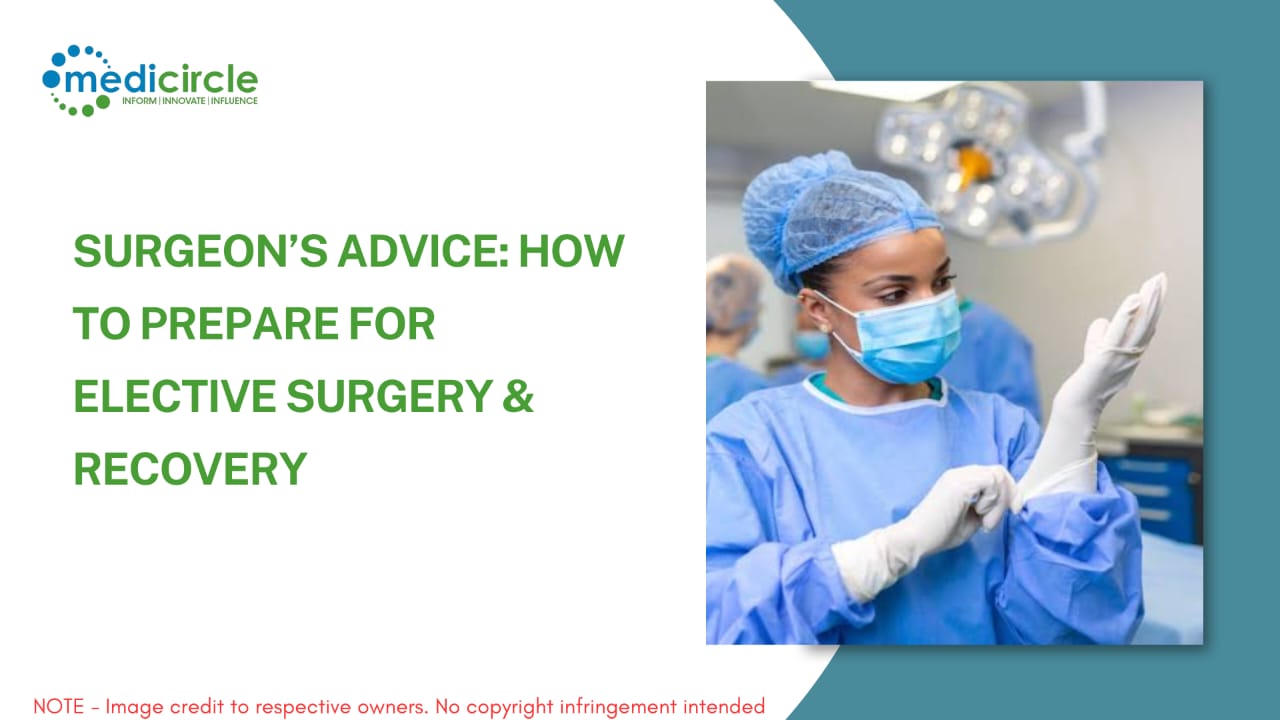
 Preparing well before elective surgery strengthens your recovery, reduces stress and helps you stay in control. This guide explains simple steps that support healing and create a smoother overall experience.




Choosing to have elective surgery can feel like a big step. But it is also a step you can plan for. Unlike a medical emergency, you have the gift of time on your side. This time is your greatest tool. Using it wisely does not just help your body; it places you in control of your own health journey. Think of it this way: you and your medical team are partners and your preparation is your essential contribution.
Many surgeons notice a clear pattern. Patients who actively participate in preparing for their procedure often navigate the recovery process with more confidence and comfort. It is less about being an expert and more about being engaged. So where do you begin? Here are the steps.
Pre surgery foundation:
The work you do in the weeks leading up to your operation sets the tone for everything that follows. This is about building a strong foundation.
- Talk openly with your doctor:
This first step is the most important. Do not be a silent participant in your consultations. Walk in with a notepad. Write down your questions beforehand. Ask about what will happen during the surgery, the recovery timeline and what you should realistically expect. Most importantly, be completely honest about everything you take such as prescription medicines, over the counter pills and herbal supplements. Some can thin your blood or react with anesthesia, so transparency protects you.
- Food and water as your allies:
In the weeks before surgery, your diet plays a supporting role. Your body will need plenty of protein to repair tissues, so include foods like lentils, chicken, fish and dairy. Fresh fruits and vegetables offer vitamins that assist healing. And do not forget water. Staying well hydrated makes your veins easier to access for IV lines and helps your body process medications effectively later.
- A break from habits:
If you smoke or drink alcohol, it is time to pause. Doctors are clear about this. Smoking limits the oxygen your body needs to heal, slowing recovery. Alcohol can dehydrate you and stress your liver. Taking a break from these habits, even temporarily is one of the most direct ways to support your body.
- Setting up your recovery space:
Before you leave for the hospital, prepare your home for your return. This practical step brings peace of mind. Create a comfortable corner with pillows to prop yourself up. Keep a table nearby with water, medicines, your phone and a charger. Move everyday items to a reachable height. Prepare simple meals like khichdi or dal and freeze them or arrange support for cooking. This eases stress later.
The day before:
This day is for careful attention to detail and finding calm.
Follow the fasting instructions from your hospital exactly. This rule is for your safety and prevents complications during anesthesia. Pack your bag with loose, comfortable clothing and slip on shoes. Keep your ID and medical papers in an accessible pouch.
Try to get a full night of rest. If you feel anxious, which is normal, listen to gentle music or take slow, deep breaths. Remember that you have chosen a skilled team.
The road to recovery:
The operation is over, but your role continues. This is when your preparation shows its value.
- Gentle movement matters:
You might want to stay perfectly still, but a little movement is crucial. Your physiotherapist will guide you through simple exercises such as ankle rotations or short walks. This is not exertion; it keeps your blood circulating and your lungs clear.
- Keep nourishing yourself:
Your body is working hard to mend, so it needs fuel. Continue eating light, protein rich meals and drink water consistently. Hydration can help manage post-surgery pain and ease the effects of painkillers. A warm bowl of dal with rice and cooked vegetables is often ideal.
- Be Kind to yourself:
Healing is not a race. Some days you will feel improvement and other days you may feel sore or tired. This is normal. Be patient. Set small goals and acknowledge your progress. Allow family and friends to help you.
- Watch for warning signs:
While some pain and swelling are expected, you must watch for signs of trouble. If you notice increasing redness, sudden sharp pain, fever or unusual discharge from your wound, do not wait. Call your doctor. It is always better to ask than ignore a potential issue.
In your hands:
Elective surgery is a collaborative effort. While the surgeon handles the complex work in the operating theatre, you hold the power of preparation and mindset. By taking these steps, you invest in your wellbeing and turn a medical procedure into an informed and empowered choice for a healthier future.





-23-300x250.png)

.jpeg)








.jpg)
.jpg)
.jpg)
.jpg)
.jpg)
.jpg)
.jpg)
.jpg)
.jpg)

