 Tuesday, October 27, 2026
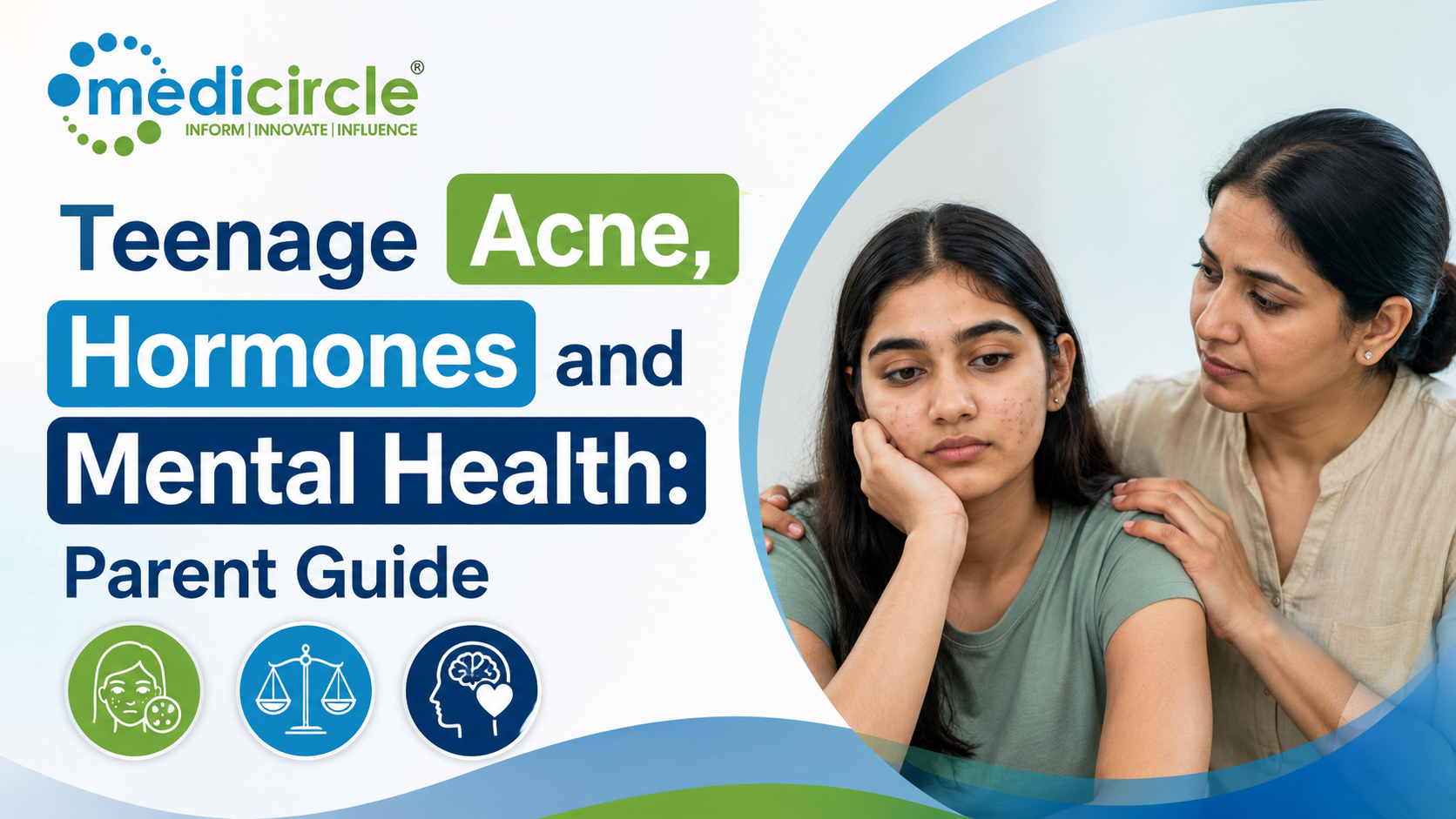
 Hormonal changes during puberty drive most teenage acne, but its emotional impact on self-esteem and mental health is often underestimated. This article helps Indian parents understand both dimensions and respond with informed, supportive care.




Introduction
Acne is one of the most common health concerns of adolescence, yet it is often dismissed as a minor cosmetic issue rather than a medical condition with real physical and emotional consequences. Research from Indian schools shows that acne affects a large majority of teenagers, with prevalence estimates ranging from 72.3 percent in a study from Chandigarh to higher figures in other regions, and prevalence rates as high as 91 percent in adolescent males and 79 percent in adolescent females reported in other Indian studies. Globally, acne affects approximately 85 percent of adolescents regardless of gender, making it one of the most universal experiences of growing up.
What many parents in India do not fully realize is that teenage acne is not simply a matter of diet, hygiene, or carelessness. It is, in most cases, a hormonally driven medical condition linked directly to puberty. At the same time, the emotional weight that acne places on a teenager can be just as significant as its physical symptoms. Indian research has found that psychological factors such as shyness were reported by over a third of adolescents with acne, and depression was noted in a meaningful proportion of affected teenagers. For parents trying to support their child through this stage, understanding the hormonal basis of acne, recognizing its emotional impact, and knowing when to seek professional help can make a meaningful difference to a teenager's confidence and wellbeing.
This article looks closely at why hormones cause acne during the teenage years, how this skin condition can affect a young person's mental health, and what parents in India can practically do to help their child manage both the physical and emotional sides of this experience.
Understanding Why Hormones Trigger Acne in Teenagers
Puberty brings about one of the most significant hormonal shifts in a person's life, and the skin is one of the first organs to respond. As the body matures, the levels of androgens, a group of hormones that includes testosterone, rise sharply in both boys and girls. These hormones stimulate the sebaceous glands, which are small oil-producing glands attached to hair follicles across the face, chest, and back.
When androgen levels increase, these glands begin producing more sebum, the natural oil that keeps skin lubricated. In excess, however, this oil combines with dead skin cells and can block pores. Once a pore is blocked, a bacterium known as Cutibacterium acnes, which lives naturally on everyone's skin, multiplies inside the clogged follicle and triggers inflammation. This is what leads to the visible whiteheads, blackheads, papules, and in more severe cases, cysts and nodules associated with acne.
It is worth noting that this hormonal process affects boys and girls differently. Boys typically experience a sharper rise in testosterone, which can result in more extensive oil production and, in many cases, more widespread acne across the chest and back in addition to the face. Girls often experience acne that fluctuates with their menstrual cycle, since hormone levels shift in the days before menstruation. Research on Indian patients has found that premenstrual flare was observed in close to 58 percent of female patients studied, which explains why many adolescent girls notice their skin worsening around the same time each month.
The Role of Genetics and Family HistoryHormonal sensitivity to acne is not the same for every teenager, and genetics plays an important role in why some adolescents develop severe acne while others experience only occasional breakouts. If one or both parents had moderate to severe acne during their teenage years, their child has a meaningfully higher chance of experiencing the same, since this genetic link influences how sensitive the oil glands are to androgen hormones.
Stress as a Hormonal AmplifierHormones related to puberty are not the only ones involved in acne. Cortisol, the hormone released during periods of stress, can also increase oil production and worsen inflammation in the skin. This is particularly relevant for Indian adolescents, who often face considerable academic pressure from school examinations, board exams, and competitive entrance tests for engineering and medical colleges. Many dermatologists in India observe a noticeable pattern of acne flare-ups during examination season, reinforcing that the skin and the mind are closely connected, especially during adolescence. In one Indian study, stress, lack of sleep, and sweating were identified by adolescents themselves as the three most common factors that triggered or worsened their acne.
Recognizing the Physical and Emotional Symptoms
Acne can present in a wide range of forms, and understanding the type and severity helps parents and doctors determine the right approach to treatment.
Mild acne usually involves blackheads, whiteheads, and a small number of inflamed pimples, generally limited to the face. Moderate acne involves a greater number of inflamed lesions, often spreading to the jawline, chest, or back, and may begin to leave temporary marks or mild scarring. Severe acne includes painful, deep cysts or nodules that are more likely to scar permanently and often requires active medical management rather than home care alone.
Indian research conducted among adolescents in Bengaluru found that mild acne was self-reported by 85.1 percent of teenagers, while moderate to severe acne affected close to 15 percent. While most teenagers experience a relatively manageable form of acne, the emotional impact does not always correspond neatly to physical severity. A teenager with even a few visible pimples before an important school event may experience disproportionate distress, particularly during a developmental stage when peer perception and self-image carry significant weight.
The Emotional Symptoms Parents Often MissWhile the physical signs of acne are visible, the emotional symptoms are frequently overlooked. These can include:
- Increased self-consciousness, particularly avoiding mirrors, photographs, or video calls
- Reluctance to attend school events, family functions, or social gatherings
- Irritability or sudden mood changes that seem disproportionate to the situation
- A drop in academic engagement or class participation
- Comments that reflect harsh self-judgment about appearance
Dermatology specialists who study the psychological dimension of acne have observed that self-esteem in affected teenagers can become very low, with psychological difficulties often developing around the same time that acne first appears. Parents who notice these behavioral shifts should view them as seriously as they would the physical symptoms, since they often signal the beginning of a deeper emotional struggle.
How Acne Affects Adolescent Mental Health
The link between acne and adolescent mental health is well documented in both global and Indian medical literature, and it deserves serious attention rather than casual reassurance.
Acne has been associated with higher rates of depression, anxiety, and in serious cases, suicidal thoughts among teenagers, largely because physical appearance carries heightened significance for self-worth and peer acceptance during this stage of life. Teenagers with visible acne are sometimes perceived by peers as shy, stressed, lonely, or unhealthy, perceptions that can affect how a young person is treated socially and how they begin to see themselves.
Indian studies reflect a similar pattern. In a cross-sectional study among North Indian adolescents, depression was reported by 16.2 percent of participants with acne, alongside shyness reported by over a third of the group. A separate study comparing adolescent girls with acne to those without found that acne cases were significantly more preoccupied with their skin, with many reporting that they spent considerable time examining themselves in mirrors. Nearly a third of the adolescents with acne in this study felt that their skin condition limited their ability to form new friendships, a finding that highlights how a dermatological condition can quietly shape a young person's social development.
This matters even more in the broader context of adolescent mental health in India. India is home to the largest adolescent population in the world, with an estimated 9.8 million adolescents between the ages of 13 and 17 living with a diagnosable mental health condition. Despite this scale, the overall treatment gap for mental health conditions in India remains around 90 percent, meaning the vast majority of young people who need support do not receive it. Acne-related distress, while often considered a minor concern, can be one of many compounding factors that affect a teenager's overall emotional resilience during these formative years.
Why Adolescence Makes This Period More VulnerableAdolescence is already a phase defined by identity formation, social comparison, and heightened sensitivity to how one is perceived by peers. Academic struggles, fear of failure, and social pressures often occur alongside the physical changes of puberty, and acne adds another visible marker that teenagers feel is being judged by others. For Indian teenagers specifically, the pressure to perform well academically, combined with the visibility that comes from school environments, tuition classes, and increasingly, social media, can intensify how deeply a teenager internalizes their skin concerns. Unlike adults who have developed coping mechanisms and a more settled sense of identity, teenagers are still forming their self-concept, which makes appearance-related stress, including acne, more likely to affect their broader emotional wellbeing.
Diagnosis and Medical Evaluation for Teenage Acne
Most cases of teenage acne can be assessed by a general physician or a dermatologist through a straightforward physical examination of the skin. The doctor will typically evaluate the type, distribution, and severity of lesions, ask about the duration of symptoms, and discuss any family history of acne. In girls, the doctor may also ask about menstrual regularity, since irregular cycles combined with severe acne can sometimes indicate an underlying hormonal condition such as polycystic ovary syndrome, which is increasingly being recognized and diagnosed among adolescent girls in India.
For most teenagers, no blood tests or hormonal investigations are required, since the connection between puberty and acne is well established. However, if a teenager shows additional signs such as excessive facial or body hair growth, significant weight changes, irregular periods, or acne that is unusually severe and resistant to standard treatment, a doctor may recommend hormonal blood tests to rule out other underlying conditions.
Parents are encouraged to accompany their teenager to this evaluation, not only to provide medical history but to model that seeking professional care for skin concerns is a normal and sensible step.
Treatment Options and Management Strategies
Effective acne treatment in teenagers usually depends on the severity of the condition, and dermatologists in India generally follow a stepwise approach.
For mild acne, topical treatments containing ingredients such as benzoyl peroxide, salicylic acid, or topical retinoids are often the first line of treatment. These work by reducing oil production, clearing dead skin cells from pores, and limiting bacterial growth. Consistency is key, since visible improvement typically takes six to eight weeks, a timeline that can test the patience of a teenager eager for quick results.
For moderate acne, dermatologists may add topical or oral antibiotics to reduce inflammation and bacterial activity, often alongside topical retinoids. For girls whose acne is closely linked to hormonal fluctuation, doctors may sometimes consider hormonal treatment options, though this decision is made carefully and only after a complete medical evaluation.
For severe acne, particularly cystic or nodular acne that carries a high risk of permanent scarring, oral medications such as isotretinoin may be prescribed under close medical supervision. This treatment requires regular monitoring and should only be administered by a qualified dermatologist, given the precautions involved, including strict avoidance of pregnancy during treatment for female patients.
It is important for parents to understand that no single treatment works overnight, and switching between products frequently, a common pattern among frustrated teenagers, often disrupts the skin's ability to respond to any single treatment. Specialists in psychodermatology emphasize that acne treatment works best when it is approached holistically, accounting for diet, hormonal factors, and psychological impact together rather than treating the skin in isolation.
Addressing the Mental Health Dimension Alongside TreatmentTreating the skin is only part of the picture. Equally important is addressing how the teenager feels about their experience with acne. This may include open conversations at home, reassurance that acne is a medical condition rather than a personal flaw, and in cases where distress is significant, support from a school counselor or mental health professional. India's adolescent health programs, including school-based counseling initiatives and helplines such as the one supported under national adolescent health schemes, can be a useful starting point for families who are unsure where to seek emotional support alongside dermatological care.
Healthcare platforms focused on patient awareness, such as Medicircle, play a role here by helping families understand that physical and emotional health are deeply connected, particularly during adolescence, and by amplifying expert guidance from dermatologists and mental health professionals who manage these cases regularly.
Prevention and Proactive Measures for Parents
While hormonal acne cannot always be entirely prevented, given that it is tied to natural pubertal changes, parents can take several steps to reduce severity and support their teenager's overall well-being.
Encouraging a simple and consistent skincare routine is more effective than introducing multiple products at once. A gentle, non-comedogenic cleanser used twice daily, along with a lightweight moisturizer and sunscreen, is generally sufficient for most teenagers and avoids the skin irritation that can come from excessive or harsh products.
Supporting healthy sleep habits matters more than many parents realize. Lack of sleep was identified by adolescents themselves as one of the leading triggers for acne flare-ups, and in India, where late-night study schedules and early school timings are common, sleep deprivation among teenagers is widespread. Helping a teenager maintain a more consistent sleep schedule, even during examination periods, can have a measurable impact on both their skin and their broader mental health.
Avoiding harsh judgment or frequent comments about a teenager's skin is equally important. Well-intentioned remarks from parents, relatives, or family friends about a teenager's acne, however casual they may seem, can deepen a young person's self-consciousness. Indian family settings, where relatives and neighbors often comment freely on a child's appearance, can unintentionally add to this burden. Parents are in a strong position to set a tone of acceptance at home, which can buffer against some of this external pressure.
Finally, taking acne seriously as a medical issue, rather than dismissing it as something the teenager will simply grow out of, encourages timely treatment and reduces the likelihood of permanent scarring as well as prolonged emotional distress.
Conclusion
Teenage acne is, at its core, a hormonal condition tied closely to the biological changes of puberty, but its effects reach far beyond the skin. The emotional toll it can take on a young person's confidence, social life, and mental well-being is well supported by both global and Indian research and deserves the same attention that parents would give to any other health concern affecting their child. By understanding the hormonal basis of acne, recognizing the emotional signs that often accompany it, seeking timely medical care, and maintaining an environment of patience and acceptance at home, parents can help their teenager move through this stage with both healthier skin and a more resilient sense of self. Acne may be common, but the support a teenager receives during this time can shape how they relate to their body and confidence well beyond their adolescent years.
Frequently Asked Questions
Q1: Is teenage acne mainly caused by hormones or by diet?
Hormonal changes during puberty are the primary driver of teenage acne. Rising androgen levels increase oil production and skin cell turnover, which clogs pores and allows acne-causing bacteria to multiply. Diet may play a secondary role for some individuals, but it is generally not the root cause of hormonal acne.
Q2: Can stress and anxiety make teenage acne worse?
Yes. Stress triggers the release of cortisol, which can increase oil gland activity and worsen inflammation in the skin. Many Indian adolescents notice acne flares during high pressure periods such as board examinations or competitive entrance tests.
Q3: At what age does hormonal acne usually start and end in teenagers?
Hormonal acne typically begins around the onset of puberty, between ages 10 and 13, and tends to peak between 14 and 17 years. It generally improves by the late teens or early twenties, though some individuals, particularly women, may continue to experience occasional breakouts into adulthood.
Q4: When should parents take a teenager with acne to a dermatologist?
Parents should seek a dermatologist's opinion if the acne is moderate to severe, if it is causing scarring or dark marks, if over the counter treatments have not shown improvement after six to eight weeks, or if the teenager shows signs of emotional distress or social withdrawal related to their skin.
Q5: How can parents support a teenager who feels embarrassed about their acne?
Parents can help by avoiding criticism or comparisons, listening without dismissing the teenager's feelings, seeking professional medical guidance rather than relying solely on home remedies, and reinforcing that acne is a common medical condition rather than a personal failing. It is equally important to stay alert to signs of low mood or social withdrawal.





-23-300x250.png)

.jpeg)







.jpg)
.jpg)
.jpg)
.jpg)
.jpg)
.jpg)
.jpg)
.jpg)
.jpg)

