Tuesday, October 27, 2026
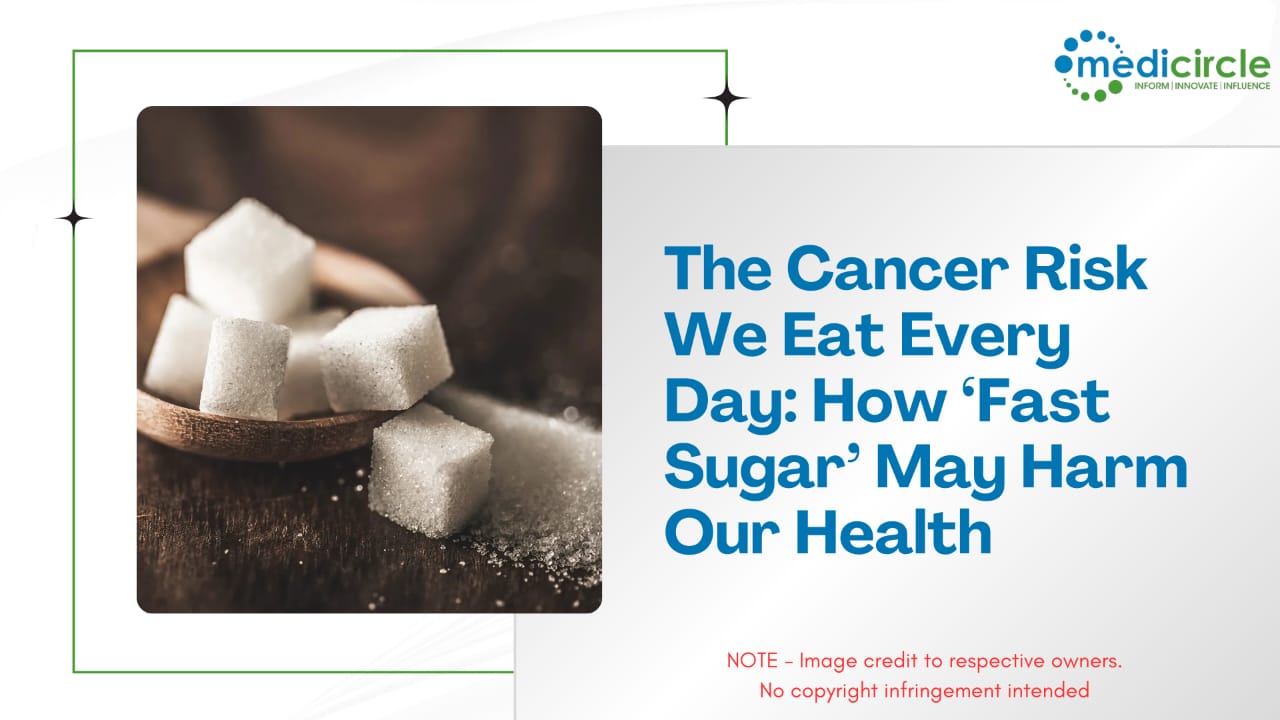
 Lung cancer has been one of the toughest cancers to control, but this new evidence opens a fresh window of possibility.




Lung cancer has long been described as a disease shaped by smoke, smog and the weight of polluted city air, yet a growing body of research is now sending out a different message. What you place on your plate each day may be nudging your lungs towards danger in ways most of us never imagined. It is unsettling to think that a simple roti, a bowl of polished rice or a sugary snack could influence one of the deadliest cancers in the world. We have always understood the harm of cigarettes and toxic air, but this new evidence suggests the risk does not end there. Food, something we trust and take comfort in, could be shaping cancer risk without ever showing a visible warning sign. This is where the conversation becomes more personal, because while many cannot escape the air they breathe, our diet is one area where every decision is still within our control.
For decades, smoking has overshadowed every other factor in lung cancer prevention. It remains the biggest driver of the disease across the world, responsible for the majority of cases in developed countries and a leading cause of death. Yet even with this overwhelming influence, researchers have started noticing that non-smokers too continue to develop lung cancer at rising rates. This pattern has forced scientists to look beyond cigarettes and explore deeper into lifestyle and metabolic triggers. One of the most surprising threads emerged from a study that followed thousands of older adults in the United States, tracking their eating habits, their activities and their health outcomes over more than a decade. Among them were over 1,700 people who eventually developed lung cancer, and their dietary patterns held clues that are now impossible to ignore.
Instead of simply measuring how many carbohydrates a person consumed, the researchers divided carbs into categories based on the nature of the food. They studied two measures that describe how carbohydrate-rich foods behave inside the body. The first was the glycemic index, better known as GI, which captures how fast a particular food raises blood sugar after eating. The second was glycemic load, or GL, which brings together both the amount of carbohydrate and how quickly it affects glucose levels. At first glance, these may seem like technical nutritional terms, but they reveal something striking about how different foods exert very different pressures on the body. It is this distinction that turned out to be central to the findings.
Foods we often describe as “white,” “refined,” or “processed” tend to fall into the high-GI category. This includes white bread, sugary biscuits, white rice, breakfast cereals made from refined grains and a wide range of snacks that are common in busy lifestyles. They raise blood sugar rapidly, driving sudden spikes that the body works hard to control. On the other end, foods that are minimally processed release energy more slowly and help the body maintain stable blood sugar levels. These low-GI options include traditional whole grains like barley, buckwheat, quinoa and brown rice; dals, beans and chickpeas; and nutrient-rich vegetables like bell peppers, carrots, mushrooms, spinach and broccoli. Many fruits such as apples, pears, peaches, kiwi and berries naturally fall in this gentler category too, along with unsweetened milk and curd. These foods are rich in fibre, protein and natural compounds that improve metabolism.
Once the researchers compared these patterns with the cancer outcomes, the results painted a clear and rather surprising picture. People whose diets leaned heavily toward high-GI foods showed a greater likelihood of developing lung cancer. This increase covered both major forms of the disease, non-small cell lung cancer, which is the more common type, and small cell lung cancer, known for its aggressive behaviour. Many had assumed carbohydrates were one unified category, but this study proved that the quality of carbs mattered far more than the quantity.
What truly surprised many experts was the opposite trend seen with glycemic load. People who consumed a higher amount of carbohydrates overall, but from lower-GI foods, actually showed a lower risk of lung cancer, particularly the non-small cell type. The contrast was striking. A high-GI diet raised lung cancer risk by about 13% when comparing the highest intake to the lowest, while a higher glycemic load, meaning more carbs, but healthier ones, was linked with a 28% reduction in risk. This is a powerful reminder that not all carbs behave the same, and lumping them together misses the deeper truth.
Scientists believe that high-GI foods disrupt the body’s hormonal balance. When blood sugar rises too quickly, the body releases a surge of insulin, and over long periods, this affects the pathway of insulin-like growth factor-1, commonly known as IGF-1. This molecule plays an important role in helping cells grow and divide. When levels remain high or fluctuate too sharply, the environment may become favourable for abnormal cell growth. Over time, this background imbalance may create openings for cancer cells to survive, grow and spread.
What makes this discovery especially important is the nature of our diet and the scale of lung cancer as a public health threat. White rice, refined flour, sugary snacks, sweetened tea, bakery bread and processed cereals are consumed daily across urban and rural households. These foods are easy to find, quick to prepare, affordable and comforting. Yet their nutritional behavior inside the body can be harsh, especially when eaten frequently without the balance of fibre, protein and whole grains. This study adds a new dimension to the cancer story. It suggests that diet is not just about diabetes, weight gain or metabolic disorders. It may be silently influencing lung cancer too, a disease that already claims lakhs of lives globally every year.
Of course, diet alone does not overpower the major drivers of lung cancer. Smoking remains the most crucial factor across the world, and quitting smoking is the greatest single decision anyone can make to reduce risk. Exposure to polluted city air, industrial fumes and secondhand smoke remain major contributors in growing lung cancer burden. Yet the study’s findings show that even after accounting for these factors, diet still plays a measurable role. It means we cannot continue treating food as a minor footnote in cancer prevention. The body reacts to everything we eat, and long-term patterns of blood sugar spikes are not harmless.
Another important angle is awareness. Most people understand the connection between diet and diabetes or the link between carbohydrates and obesity. Very few associate food choices with lung cancer. This lack of awareness keeps the conversation narrow and limited. Public health messages usually focus on tobacco control, and rightly so, but the opportunity to educate people about metabolic risks is often missed. If early awareness can push more people to choose whole grains over refined ones, to depend less on packaged snacks and to include more fibre-rich foods in their daily meals, the impact on overall health could be immense.
The advantages of low-GI eating extend beyond cancer prevention. These foods help in managing diabetes, lowering cholesterol, improving gut health and supporting weight control. They keep energy levels stable and reduce sudden hunger spikes, making them easier to sustain over long periods. The shift does not require extreme changes, only thoughtful swaps such as millets instead of polished rice, whole wheat or multigrain bread instead of refined flour bread, fruits instead of packaged sweets, and homemade snacks instead of processed ones. In a country where lifestyle diseases are rising faster than ever, such shifts can influence multiple health outcomes at once.
The new evidence encourages us to think about lung cancer in a broader way. For many years, people believed that if they did not smoke, they were shielded from significant risk. This assumption is no longer true. While smoking still remains the biggest cause, metabolic health and overall lifestyle play a much larger role than earlier understood. The link between high-GI food and lung cancer strengthens the idea that cancer is not a single-cause disease. It is influenced by the environment, by the air we breathe, by inherited factors, and now clearly by the foods we consume regularly. This means prevention cannot depend on one strategy. It needs a more holistic understanding.
This study also hints at another layer of complexity. Many people shift to high-GI foods out of convenience. Fast urban lifestyles, changing work patterns, lack of time and easy access to packaged products push people towards meals that are ready in minutes. Convenience becomes the priority, and nutritional quality becomes secondary. But as these findings show, the conveniences of today can turn into the diseases of tomorrow. It is a reminder that health cannot depend on shortcuts.
At a national level, India’s nutrition policy has started giving more attention to millets, whole grains and traditional foods. This research strengthens the need for such initiatives. India’s ancient culinary traditions naturally revolved around whole grains like barley, millets, rajgira and a variety of legumes. These foods were highly nutritious, low-GI and deeply aligned with metabolic balance. Over time, refined foods replaced them for speed and taste, but the cost of that shift is becoming clearer with every new study. Reviving those traditional choices is not just about culture; it is about survival.
Even as this research offers hope, it also makes one thing clear: more studies are needed, especially in countries like India, where dietary patterns are shaped by culture, region, income and access. Lung cancer trends vary widely between rural and urban settings, between smokers and non-smokers, and between people exposed to indoor smoke from biomass fuels. Understanding how high-GI diets interact with these variables will help build stronger prevention strategies for future generations.
For now, the message remains grounded in common sense and strong scientific direction. The study does not claim that carbohydrates are harmful. It shows that the type of carbohydrate matters immensely. High-GI food creates volatility inside the body; low-GI food creates stability. That stability then influences long-term disease risk. When the stakes involve a cancer as deadly as lung cancer, choosing stability is not a small decision. It is a life-protecting choice.
In the end, the research reminds us that cancer prevention is an everyday practice. It does not begin in a hospital; it begins in the kitchen. It begins in the supermarket aisle where we decide between polished rice and brown rice, between a packet of sugary biscuits and a piece of fruit, between convenience and long-term health. Every small shift accumulates. Every balanced meal protects. And every mindful choice shapes the future of our health far more than we realise.
Lung cancer has been one of the toughest cancers to control, but this new evidence opens a fresh window of possibility. If something as simple as choosing better carbohydrates can play even a small role in lowering risk, then awareness becomes our best tool. In a world where pollution and tobacco threats are difficult to escape, the power to choose our food remains one area where control is still possible. And sometimes, that is exactly where prevention begins humbly, on the plate in front of us




-23-300x250.png)

.jpeg)




.jpg)
.jpg)
.jpg)
.jpg)
.jpg)
.jpg)
.jpg)
.jpg)
.jpg)