 Wednesday, October 28, 2026
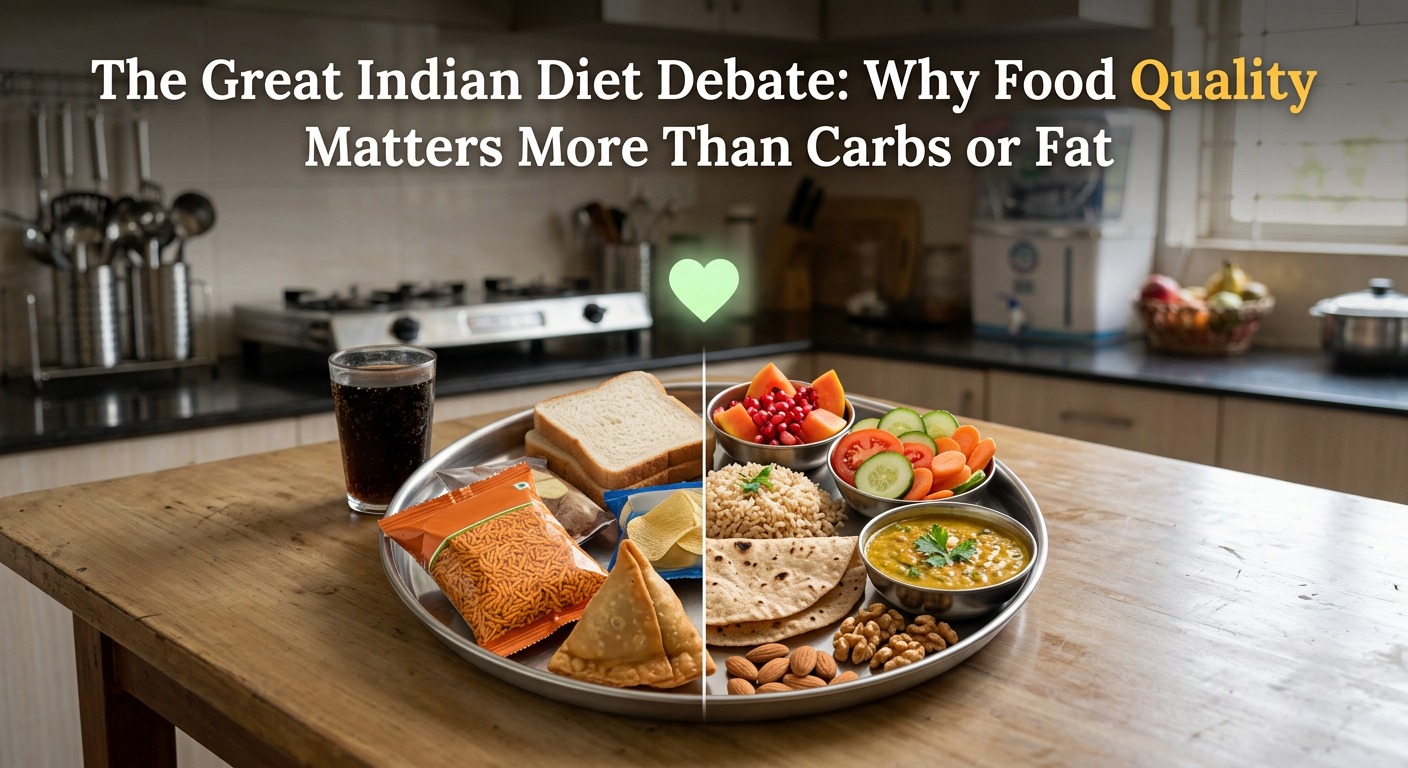
 Heart health is not determined by a single dietary rule or trend. It is shaped by patterns that develop over time, influenced by the quality of the foods we choose every day.




The conversation around heart health has always been trapped in a familiar loop. One side argues for cutting carbohydrates, warning against bread, rice, and pasta as silent drivers of disease. The other side pushes for low-fat eating, placing blame on oils, dairy, and animal products. Between these two extremes, millions of people have spent years adjusting their diets, counting grams, avoiding certain foods, and often feeling uncertain about whether they are truly protecting their heart. What if this entire debate has been asking the wrong question?
A long-term study led by researchers at Harvard University offers a perspective that feels both simple and quietly disruptive. Instead of focusing on whether carbohydrates or fats are the problem, the research turns attention to the quality of the food itself. It suggests that the real determinant of cardiovascular health may not lie in how much fat or carbohydrate one consumes, but in what kind of fat and carbohydrate are being eaten.
The scale of the study adds weight to its conclusions. Tracking close to 200,000 individuals over nearly three decades, the research builds on more than 5 million person-years of observation. Such long-term data is rare in nutrition science, a field often criticized for short studies and conflicting results. Participants, largely drawn from healthcare professions, reported their dietary habits over time, allowing researchers to examine patterns rather than isolated snapshots. While self-reported data has its limitations, the sheer duration of the study offers a broader view of how diet shapes health over the long run.
At the centre of the findings lies a clear pattern. Individuals who followed diets rich in whole, unprocessed foods such as vegetables, fruits, whole grains, and healthy fats, showed better markers of heart health. Their levels of high-density lipoprotein, often referred to as “good cholesterol,” were higher, while harmful fats and inflammatory markers were lower. These biological signals translated into real-world outcomes, with a reduced risk of developing Coronary Heart Disease, one of the leading causes of heart attacks globally.
What stands out is that these benefits were seen across different dietary patterns. Whether individuals followed a lower-carbohydrate approach or a lower-fat approach mattered less than the overall quality of their food choices. A diet low in carbohydrates that relied heavily on processed meats, refined oils, and packaged foods did not offer the same protection. Similarly, a low-fat diet filled with refined sugars and highly processed grains failed to support heart health in a meaningful way. The conclusion is difficult to ignore: removing a nutrient does not automatically make a diet healthy.
This insight challenges decades of dietary messaging. Public health campaigns have often simplified nutrition into categories i.e. good fats versus bad fats, complex carbohydrates versus simple sugars. While these distinctions have value, they can also create a false sense of security. A product labeled “low-fat” may still be high in sugar and additives. A “low-carb” diet may lean heavily on processed protein sources that carry their own risks. In this context, focusing solely on macronutrient composition can become a distraction from what truly matters.
The concept of diet quality brings the conversation back to basics. Whole foods that are minimally processed and closer to their natural form provide a balance of nutrients that the body recognizes and uses efficiently. Vegetables offer fiber, antioxidants, and micronutrients that support cellular function. Fruits contribute natural sugars along with vitamins and hydration. Whole grains provide sustained energy and help regulate blood sugar levels. Healthy fats, found in sources like nuts, seeds, and certain oils, play a role in hormone production and inflammation control. When these elements come together in a balanced way, they create a dietary pattern that supports long-term cardiovascular health.
These findings align with what many cardiologists and nutrition experts have been observing in practice. Diets that emphasize plant-based foods and reduce reliance on processed products tend to produce better outcomes. The body responds not just to the quantity of nutrients but to the complexity and synergy of whole foods. This may explain why strict dietary rules often fail over time. They focus on restriction rather than nourishment, leading to patterns that are difficult to sustain.
In countries like India, where dietary habits are rapidly evolving, the findings carry particular significance. Urbanization, changing lifestyles, and increased availability of processed foods have altered traditional eating patterns. While Indian diets have historically been rich in grains, vegetables, and legumes, there is a growing shift toward packaged and convenience foods. This transition has been accompanied by a rise in cardiovascular diseases, diabetes, and obesity.
In this context, the idea of diet quality becomes even more relevant. It is not about abandoning cultural food practices but about preserving and adapting them in a way that maintains their nutritional value. Traditional meals that include whole grains, fresh vegetables, and balanced portions of fats and proteins align closely with the principles highlighted in the study. The challenge lies in resisting the gradual drift toward processed alternatives that may be more convenient but less nourishing.
Another important aspect of the research is its flexibility. By moving away from rigid categories of low-carb or low-fat, it allows individuals to choose dietary patterns that suit their preferences and lifestyles. This is particularly important in a diverse country where food habits vary widely across regions and communities. A one-size-fits-all approach to nutrition is rarely effective. Instead, the focus on quality provides a framework that can be adapted to different cultural contexts.
The biological mechanisms behind these findings offer further insight. Diets rich in whole foods tend to reduce chronic inflammation, a key factor in the development of cardiovascular disease. They also support healthier lipid profiles, improving the balance between different types of cholesterol. Fiber from plant-based foods plays a role in regulating blood sugar and supporting gut health, which is increasingly recognized as a contributor to overall well-being. These interconnected processes highlight the complexity of nutrition and the limitations of focusing on a single nutrient.
At the same time, the study highlights the importance of looking beyond short-term outcomes. Many diets promise rapid weight loss or quick improvements in certain health markers. While these results can be encouraging, they do not always translate into long-term benefits. The strength of this research lies in its duration, capturing the cumulative effects of dietary habits over decades. It suggests that sustainable, balanced eating patterns are more effective than extreme or restrictive approaches.
The role of processed foods emerges as a central theme in this discussion. Modern food systems have made highly processed products widely available and often more affordable. These foods are designed for convenience and shelf life, but they frequently contain high levels of refined sugars, unhealthy fats, and additives. Over time, regular consumption of such foods can disrupt metabolic processes and contribute to disease. Reducing reliance on processed foods is therefore a key step in improving diet quality.
This does not mean that individuals must eliminate all convenience foods or adhere to strict rules. The goal is to create a pattern where whole, nutrient-rich foods form the foundation of the diet, with processed items consumed in moderation. This approach is both practical and sustainable, making it easier for individuals to maintain healthy habits over time.
The study also highlights the importance of education and awareness. Understanding the difference between food quality and nutrient quantity requires a shift in how nutrition is communicated. Labels and marketing claims can be misleading, emphasizing certain aspects while ignoring others. Clear, evidence-based information is essential to help individuals make informed choices. Healthcare professionals, policymakers, and media platforms all have a role to play in shaping this narrative.
Encouraging the availability and affordability of fresh, whole foods is as important as educating individuals about healthy choices. Urban planning, agricultural practices, and food distribution systems all influence what people eat. Addressing these factors can create an environment that supports healthier lifestyles.
The conversation around heart health is often framed in terms of risk and prevention. While these aspects are important, there is also value in focusing on positive actions, what people can do to support their health rather than what they should avoid. Emphasizing food quality provides a constructive approach, encouraging individuals to build meals around nourishing ingredients rather than focusing solely on restriction.
It is also worth considering the psychological aspect of eating. Diets that are overly restrictive can lead to stress, frustration, and a sense of failure when they are not maintained. In contrast, a focus on quality allows for flexibility and enjoyment, making it easier to develop a healthy relationship with food. This, in turn, supports long-term adherence and better outcomes.
As the debate between low-carb and low-fat continues in popular culture, this research offers a reminder that the answer may lie beyond these categories. It shifts the focus from division to integration, recognizing that both carbohydrates and fats can be part of a healthy diet when chosen wisely. The emphasis moves from counting nutrients to understanding food as a whole.
Heart health is not determined by a single dietary rule or trend. It is shaped by patterns that develop over time, influenced by the quality of the foods we choose every day. By prioritizing whole, nutrient-rich foods and reducing reliance on processed products, individuals can create a foundation for better health.
Because in the simple decisions made at each meal, in the balance of ingredients on a plate, lies the power to influence the most vital organ of the body. And perhaps, in moving beyond the old debates of low-carb versus low-fat, we are finally beginning to understand what the heart has needed all along.





-23-300x250.png)

.jpeg)








.jpg)
.jpg)
.jpg)
.jpg)
.jpg)
.jpg)
.jpg)
.jpg)
.jpg)

