Tuesday, October 27, 2026
 Doctors are particularly concerned about the relationship between heart disease and processed food consumption. Many ultra-processed foods contain high levels of sodium, trans fats, added sugars, and preservatives, all of which negatively affect cardiovascular health.




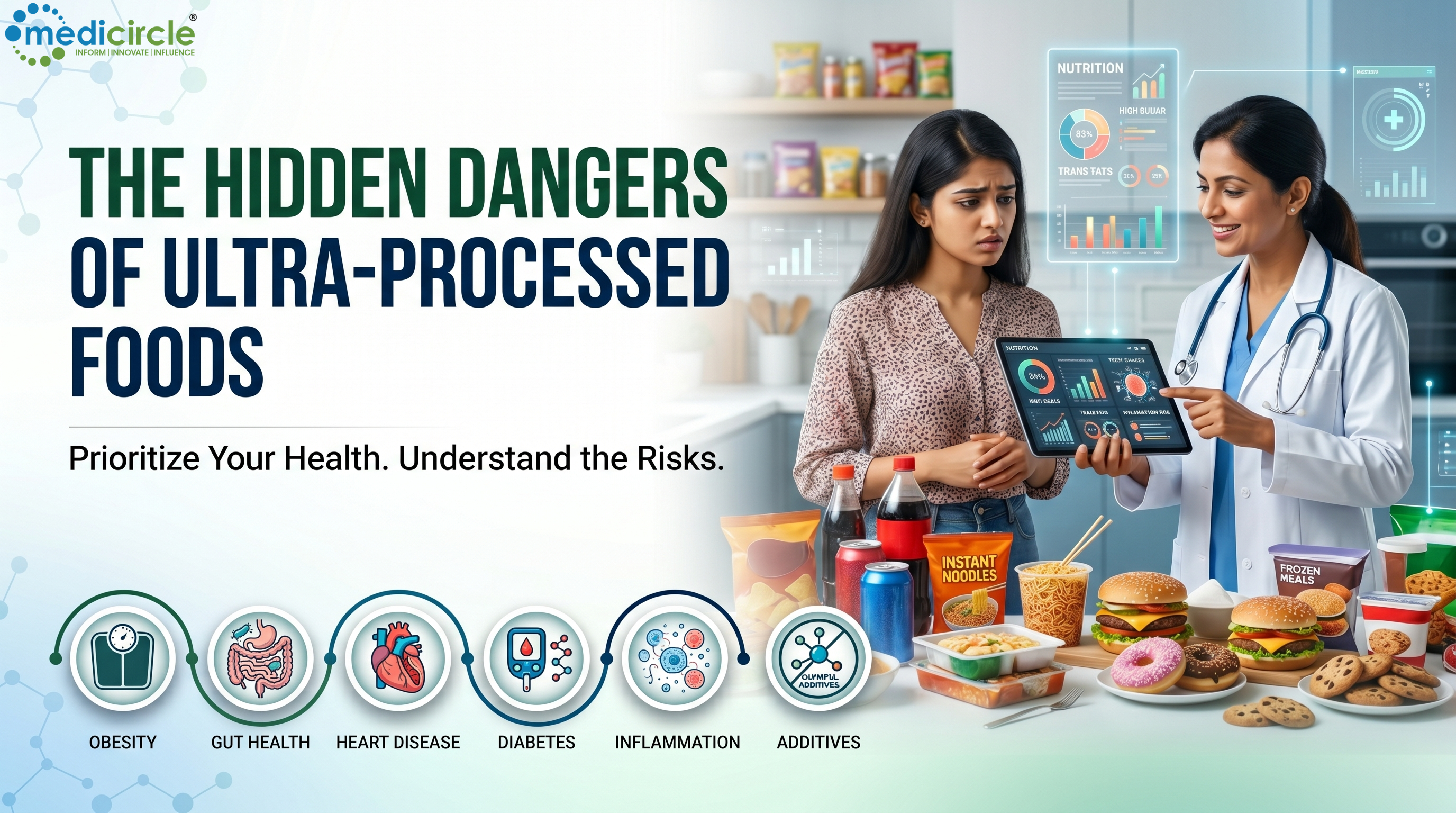
Ultra-processed foods have quietly become a major part of modern diets. From packaged snacks and sugary drinks to instant noodles, frozen meals, and processed meats, these foods are now deeply embedded in everyday life because of their convenience, affordability, and long shelf life. However, doctors and nutrition experts are increasingly warning that frequent consumption of ultra-processed foods may come with serious long-term health consequences.
Research from University of Maryland Medical System and Harvard Health Publishing suggests that diets high in processed foods are linked to obesity, diabetes, cardiovascular disease, inflammation, poor gut health, and even mental health concerns. While these foods are designed to be highly appealing and easy to consume, their nutritional quality is often extremely poor.
Understanding how these foods affect the body is essential for making healthier and more informed dietary choices.
What Are Ultra-Processed Foods?
Ultra-processed foods are industrially manufactured products that contain ingredients rarely used in home cooking. These foods often include artificial flavors, preservatives, emulsifiers, colorings, refined sugars, unhealthy fats, and excessive sodium.
Unlike minimally processed foods such as frozen vegetables or plain oats, ultra-processed products undergo extensive manufacturing that strips away nutrients and fiber while adding chemicals designed to improve taste, texture, and shelf life.
Common examples include packaged chips, sugary breakfast cereals, sodas, fast food, candy bars, processed meats, instant noodles, flavored snacks, and frozen ready-to-eat meals.
According to University of Maryland Medical System, ultra-processing prioritizes convenience and flavor over nutritional value, which is why these foods are strongly associated with several chronic health conditions.
The Link Between Ultra-Processed Foods and Weight Gain
One of the biggest concerns surrounding processed food dangers is their role in weight gain and obesity. Ultra-processed foods are often high in calories but low in nutrients and fiber, making them less filling and easier to overconsume.
These foods are engineered to stimulate cravings and encourage repeated eating. Their combination of sugar, unhealthy fats, and refined carbohydrates activates the brain’s reward system, increasing the likelihood of overeating.
Experts explain that foods lacking fiber and protein fail to keep people satisfied for long periods, leading to increased hunger and frequent snacking. This contributes significantly to unhealthy weight gain and metabolic imbalance.
Research cited by Harvard Health Publishing has linked high intake of ultra-processed foods with obesity and other metabolic disorders.
How Processed Foods Affect Heart Health
Doctors are particularly concerned about the relationship between heart disease and processed food consumption. Many ultra-processed foods contain high levels of sodium, trans fats, added sugars, and preservatives, all of which negatively affect cardiovascular health.
Sugary beverages and processed meats have been identified among the most harmful ultra-processed products for the heart. A large Harvard study found strong links between diets rich in ultra-processed foods and increased risk of heart attacks, strokes, and cardiovascular disease. (Harvard Health)
Excess sodium raises blood pressure, while unhealthy fats increase cholesterol levels and inflammation. Over time, these effects place extra strain on the heart and blood vessels.
Doctors emphasize that reducing consumption of processed snacks, sugary drinks, and processed meat products can significantly improve long-term heart health.
The Hidden Impact on Gut Health
Another major concern is the effect of ultra-processed foods on gut health. The digestive system relies on fiber-rich foods and beneficial bacteria to function properly. However, most ultra-processed products are low in fiber and contain additives that may disrupt the gut microbiome.
Artificial sweeteners, emulsifiers, and preservatives may contribute to inflammation within the digestive tract. Researchers are increasingly exploring how these ingredients influence gut bacteria and overall immune health.
Poor gut health has been associated with bloating, digestive discomfort, weakened immunity, and even mental health concerns. Since the gut and brain are closely connected, an unhealthy diet may influence mood and cognitive function as well.
Processed Foods and Chronic Disease
One of the most alarming concerns about ultra-processed foods is their connection to chronic disease. Studies have linked diets high in processed foods with increased risk of Type 2 diabetes, hypertension, certain cancers, and cognitive decline.
According to Harvard Health Publishing, one large review involving millions of people found associations between ultra-processed foods and over 30 negative health outcomes, including premature death and mental health disorders.
Excess sugar intake contributes to insulin resistance and diabetes, while preservatives and nitrates in processed meat products have been linked to colorectal cancer. (Health Hub)
Experts also warn that these foods may increase inflammation throughout the body, which plays a major role in many chronic illnesses.
How Ultra-Processed Foods Affect Brain Function
Emerging research suggests that ultra-processed foods may also affect brain health and cognitive performance. A recent study found that even moderate intake of highly processed foods was linked to poorer attention and focus. (Food & Wine)
Scientists believe that inflammation, insulin resistance, and nutrient deficiencies caused by poor diets may negatively affect the brain over time. Some researchers are also investigating whether additives and emulsifiers commonly found in processed foods influence overeating behavior and reward pathways in the brain. (Reddit)
This growing body of evidence highlights that nutrition impacts not only physical health but also mental clarity and emotional well-being.
Why Ultra-Processed Foods Are So Addictive
One reason ultra-processed foods are difficult to avoid is that they are specifically designed to be highly appealing. Their combination of sugar, fat, salt, and artificial flavoring stimulates the brain’s reward system and encourages repeated consumption.
This makes processed snacks and sugary foods more difficult to resist compared to whole foods. Many individuals develop habitual cravings for these products, especially during stress or fatigue.
Doctors explain that these foods often override the body’s natural hunger and fullness signals, making portion control more difficult and contributing to overeating.
Healthier Alternatives to Ultra-Processed Foods
Nutrition experts emphasize that improving diet does not require perfection or completely eliminating all processed foods overnight. Instead, the goal is to gradually prioritize whole and minimally processed foods.
Fresh fruits, vegetables, nuts, seeds, legumes, lean proteins, whole grains, and homemade meals provide significantly more nutrients and fiber than packaged convenience foods.
Reading ingredient labels can also help consumers identify hidden sugars, sodium, preservatives, and artificial additives. Foods with shorter ingredient lists and recognizable ingredients are generally healthier options.
Making small dietary changes consistently can have a major positive impact on overall health and wellness.
Case Study: Replacing Processed Foods With Whole Foods
Amit, a 35-year-old office worker, relied heavily on packaged snacks, sugary drinks, and instant meals because of his busy schedule. Over time, he experienced fatigue, weight gain, poor digestion, and low energy levels.
After consulting a nutritionist, he gradually replaced ultra-processed foods with healthier alternatives such as fruits, nuts, home-cooked meals, and whole grains. Within a few months, he noticed improved digestion, better energy levels, and gradual weight loss.
His experience reflects how reducing processed food intake can positively influence both physical and mental well-being.
FAQs
- What are ultra-processed foods?
Ultra-processed foods are industrially manufactured products containing additives, preservatives, refined sugars, and artificial ingredients.
- Why are ultra-processed foods unhealthy?
They are often high in sugar, unhealthy fats, sodium, and additives while lacking important nutrients and fiber.
- Can processed foods cause heart disease?
Yes, diets high in ultra-processed foods are linked to increased risk of heart disease and stroke. (Harvard Health)
- Do ultra-processed foods cause weight gain?
Yes, they are associated with overeating, obesity, and metabolic disorders.
- How do processed foods affect gut health?
Artificial additives and low fiber content may disrupt gut bacteria and increase inflammation.
- Are all processed foods unhealthy?
No, minimally processed foods like frozen vegetables and plain oats can still be healthy.
- Can ultra-processed foods affect mental health?
Research suggests they may contribute to inflammation and cognitive decline. (Food & Wine)
- What are examples of ultra-processed foods?
Sugary drinks, packaged snacks, instant noodles, processed meat, and frozen ready meals.
- How can I reduce ultra-processed food intake?
Focus on whole foods, cook more meals at home, and read food labels carefully.
- Are ultra-processed foods addictive?
Their combination of sugar, salt, fat, and flavor additives may encourage compulsive eating behavior.
Conclusion
Ultra-processed foods may offer convenience, but their long-term impact on health is becoming increasingly difficult to ignore. From obesity and heart disease to inflammation, poor gut health, and chronic illness, these foods are associated with a wide range of serious health concerns.
Doctors and nutrition experts emphasize that improving dietary habits does not require extreme restrictions. Small and consistent changes toward a more natural, whole-food-based diet can significantly improve overall health and reduce the risks associated with processed food consumption.
Understanding the hidden dangers of ultra-processed foods is the first step toward making healthier choices for long-term wellness.





-23-300x250.png)

.jpeg)






.jpg)
.jpg)
.jpg)
.jpg)
.jpg)
.jpg)
.jpg)
.jpg)
.jpg)