 Tuesday, October 27, 2026
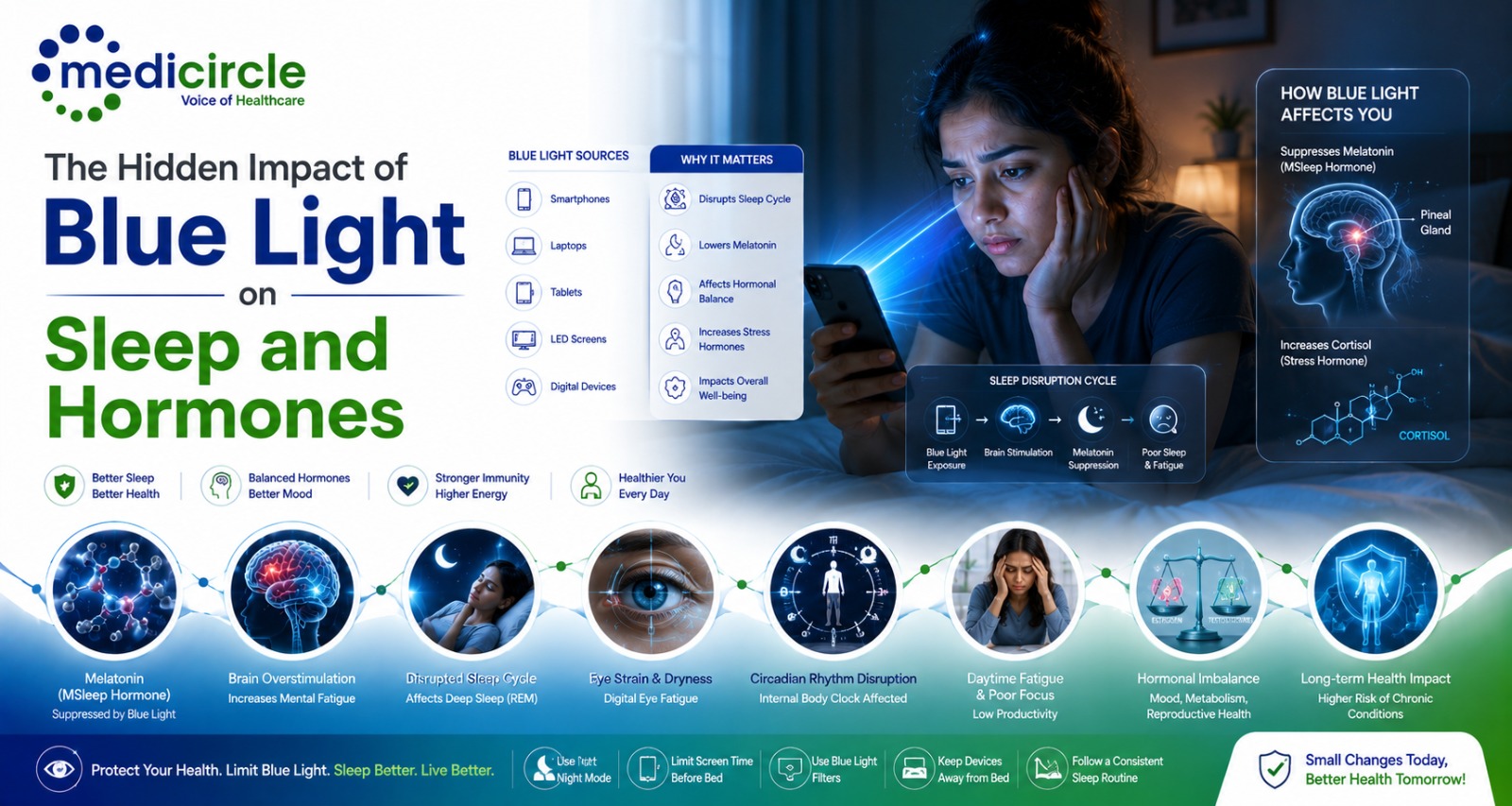
 The growing exposure to blue light from smartphones, laptops, televisions, and LED lighting has changed modern sleep habits significantly. Research shows that excessive nighttime blue light exposure may disrupt sleep cycles, alter hormone balance, increase mental fatigue, and affect long-term metabolic and emotional health.





Modern life is built around screens. From checking messages immediately after waking up to scrolling through social media before bed, many people spend most of their day surrounded by digital light. While technology has improved communication and convenience, increasing exposure to blue light has quietly altered human sleep patterns and hormonal rhythms in ways many people do not fully recognize.
The human body operates according to a natural internal clock called the circadian rhythm. This biological system regulates sleep, energy levels, hormone release, metabolism, and mental alertness. Natural sunlight plays a major role in maintaining this rhythm. However, artificial blue light exposure late at night can confuse the brain into believing it is still daytime, delaying sleep signals and affecting hormonal balance.
The impact extends beyond simple tiredness. Research increasingly connects poor sleep caused by excessive screen exposure with mental fatigue, mood changes, reduced focus, metabolic disturbances, and long-term health concerns. Understanding how blue light affects the body helps explain why so many individuals feel exhausted despite spending hours in bed.
What Is Blue Light?
Blue light is a high-energy visible light naturally emitted by the sun. During daytime hours, it plays an important role in improving alertness, concentration, reaction time, and mood. Exposure to natural daylight helps regulate healthy sleep-wake cycles.
The issue arises when artificial sources of blue light continue stimulating the brain late into the evening. Common sources include:
- Smartphones
- Tablets
- LED televisions
- Laptop and computer screens
- LED room lighting
- Gaming devices
Unlike older lighting systems, modern LED technology emits higher levels of short-wavelength blue light. This means many individuals are exposed to biologically stimulating light for far longer than the human body evolved to handle.
A person may spend an entire workday on a laptop, continue using a phone during commuting hours, watch television after dinner, and scroll social media before sleeping. In this situation, the brain receives continuous signals associated with daytime alertness.
How Blue Light Affects the Brain’s Sleep Center
The brain contains a small but highly important structure called the suprachiasmatic nucleus (SCN), often referred to as the body’s master clock. This system regulates circadian rhythms by responding to light exposure.
When darkness increases naturally in the evening, the brain releases melatonin, commonly known as the sleep hormone. Melatonin helps prepare the body for rest by lowering alertness and supporting nighttime biological recovery.
The Relationship Between Blue Light and Melatonin
Exposure to blue light before sleep suppresses melatonin production more strongly than many other forms of light. As a result, the body delays its transition into sleep mode.
This may lead to:
- Difficulty falling asleep
- Delayed sleep timing
- Reduced sleep quality
- Frequent nighttime awakenings
- Morning fatigue despite adequate sleep duration
Many people assume they are suffering from insomnia when, in reality, their nervous system remains overstimulated from continuous evening screen exposure.
A common example is someone scrolling through short-form videos for an hour in bed. Even if the activity feels relaxing psychologically, the brain continues receiving alertness signals physiologically.
Why Modern Lifestyles Intensify Blue Light Exposure
Historically, humans spent evenings under dim natural lighting. Today, digital environments extend daytime stimulation well into the night.
Work Culture and Constant Connectivity
Remote work and digital communication have reduced the boundaries between work and personal life. Emails, meetings, and notifications often continue late into the evening.
Many professionals now experience prolonged exposure to screens without meaningful visual recovery throughout the day.
Entertainment-Driven Screen Habits
Streaming platforms, gaming, and social media are designed to maximize engagement. People frequently remain awake longer than intended because digital content continuously stimulates attention and emotional responses.
The combination of mental stimulation and blue light exposure creates a double effect on the nervous system. The brain remains emotionally alert while melatonin production decreases simultaneously.
The Hormonal Effects of Blue Light Exposure
The impact of blue light extends beyond sleep alone. Because sleep regulates multiple hormones, disrupted sleep patterns can gradually influence several body systems.
Cortisol and Stress Hormones
Cortisol is a hormone associated with alertness and stress regulation. Normally, cortisol levels decrease at night and rise naturally in the morning.
Late-night screen exposure may interfere with this rhythm, causing the body to remain in a more alert state during hours when recovery should occur.
Over time, disrupted cortisol rhythms may contribute to:
- Mental fatigue
- Difficulty waking up
- Reduced daytime energy
- Mood instability
- Emotional exhaustion
People often describe this sensation as feeling “tired but wired.”
Appetite and Metabolic Hormones
Sleep quality strongly affects hormones involved in hunger and metabolism, including leptin and ghrelin. Poor sleep associated with excessive blue light exposure may increase cravings for high-calorie foods and sugary snacks.
This partly explains why sleep deprivation is frequently linked with:
- Weight gain
- Increased nighttime eating
- Low energy levels
- Metabolic imbalance
A person sleeping fewer hours after prolonged nighttime screen use may notice stronger cravings for caffeine, processed foods, and sugar-rich snacks the following day.
Blue Light and Mental Fatigue
One of the most noticeable consequences of chronic sleep disruption is mental fatigue. The brain depends on sleep for memory processing, emotional regulation, and cognitive recovery.
When sleep quality declines repeatedly, people may experience:
- Reduced concentration
- Brain fog
- Slower thinking
- Reduced creativity
- Emotional irritability
- Difficulty multitasking
Students and professionals commonly notice these effects after prolonged nighttime screen habits. Someone may technically sleep seven hours yet still feel mentally drained because the quality of restorative sleep was reduced.
Emotional Health and Sleep Disruption
Sleep and emotional health are deeply interconnected. Chronic sleep disruption caused by nighttime digital exposure may worsen symptoms of:
- Anxiety
- Emotional exhaustion
- Stress sensitivity
- Mood fluctuations
Many individuals enter a repetitive cycle where stress increases screen use, while screen use further worsens sleep and emotional recovery.
The Impact of Blue Light on Teenagers and Young Adults
Teenagers and young adults appear especially vulnerable to the effects of excessive blue light exposure because of academic pressure, entertainment habits, and social media use.
Delayed Sleep Cycles in Young Adults
Young adults often experience delayed sleep timing naturally due to biological circadian shifts during adolescence and early adulthood. Heavy nighttime screen exposure intensifies this tendency further.
As a result, many young individuals struggle with:
- Late-night wakefulness
- Morning fatigue
- Reduced productivity
- Daytime sleepiness
- Difficulty maintaining focus
This pattern is particularly common among college students and remote workers who use digital devices continuously throughout the day.
Can Blue Light Affect Skin and Aging?
Emerging research also explores whether prolonged blue light exposure may influence skin health. While ultraviolet light remains more damaging overall, excessive exposure to digital screens may contribute to oxidative stress within skin cells.
Some studies suggest possible links with:
- Skin dullness
- Hyperpigmentation
- Premature skin aging
However, current evidence is still evolving, and sleep disruption itself likely plays a major role in these visible changes.
Practical Ways to Reduce Blue Light Exposure
Reducing blue light exposure does not require completely avoiding technology. Small adjustments often improve sleep quality significantly over time.
Create a Gradual Digital Wind-Down Routine
The brain benefits from a transition period before sleep. Reducing intense stimulation during the final hour before bedtime may improve melatonin release naturally.
Helpful approaches include:
- Dimming room lighting after evening hours
- Avoiding emotionally stimulating content before bed
- Listening to calming audio instead of scrolling
- Reading printed material in softer lighting
- Using night mode settings on devices
The goal is helping the nervous system gradually shift toward rest rather than abruptly forcing sleep.
Increase Daytime Natural Light Exposure
Interestingly, healthy daylight exposure during morning and afternoon hours strengthens circadian rhythm stability.
Spending time outdoors during daylight helps the body distinguish between daytime alertness and nighttime recovery more effectively.
Blue Light Blocking Glasses: Do They Work?
Blue light blocking glasses have become increasingly popular, especially among people working long hours on screens. Some individuals report improvements in eye comfort and sleep quality when using them during evening hours.
However, glasses alone are not a complete solution. Behavioral habits, emotional stimulation, stress levels, and overall sleep routines also influence sleep quality significantly.
When Sleep Problems May Need Professional Attention
Occasional poor sleep is common. However, persistent sleep disruption combined with fatigue, headaches, mood changes, or severe daytime sleepiness may require professional evaluation.
Underlying concerns may include:
- Chronic insomnia
- Anxiety disorders
- Circadian rhythm disorders
- Sleep apnea
- Burnout-related fatigue
Addressing the root cause often improves sleep quality more effectively than focusing only on screen exposure.
Conclusion
The growing influence of blue light on modern health reflects how deeply digital lifestyles now shape human biology. While blue light itself is not inherently harmful during daytime hours, excessive nighttime exposure can interfere with melatonin production, circadian rhythms, hormone regulation, and mental recovery.
Many people experiencing fatigue, poor focus, emotional exhaustion, or disrupted sleep may not realize how strongly evening screen habits contribute to these symptoms. The issue is rarely one isolated factor. Instead, it develops gradually through constant connectivity, digital overstimulation, and reduced opportunities for genuine mental recovery.
Improving sleep quality often begins with small, sustainable adjustments rather than extreme restrictions. Reducing nighttime stimulation, creating healthier digital boundaries, and allowing the brain adequate recovery time can gradually restore healthier sleep patterns and improve overall well-being.
FAQs
What is blue light?
Blue light is a high-energy visible light naturally found in sunlight and emitted by digital screens, LED lighting, smartphones, and computers.
How does blue light affect sleep?
Blue light suppresses melatonin production, making it harder for the brain to recognize when it is time to sleep. This may delay sleep onset and reduce sleep quality.
Does blue light cause insomnia?
Excessive nighttime blue light exposure may contribute to sleep difficulties and insomnia-like symptoms, particularly when combined with stress and prolonged screen use.
Why do screens make it harder to fall asleep?
Screens combine blue light exposure with mental stimulation from videos, messages, games, and social media, keeping the nervous system alert before bedtime.
Can blue light affect hormones?
Yes. Disrupted sleep from blue light exposure may affect hormones involved in stress regulation, appetite, metabolism, and energy balance.
What are symptoms of too much blue light exposure?
Common symptoms include eye strain, headaches, sleep disruption, fatigue, brain fog, reduced concentration, and daytime sleepiness.
Are blue light glasses effective?
Some people find blue light blocking glasses helpful for reducing eye strain and improving sleep quality, especially during evening screen use.
How long before bed should I avoid screens?
Many sleep experts recommend reducing screen exposure at least one hour before bedtime to support natural melatonin production.
Can blue light affect mental health?
Indirectly, yes. Poor sleep associated with excessive blue light exposure may worsen stress, emotional exhaustion, anxiety, and mental fatigue.
Is blue light harmful during the daytime?
Daytime blue light exposure from natural sunlight is beneficial because it supports alertness, mood regulation, and healthy circadian rhythms.





-23-300x250.png)

.jpeg)


.jpg)
.jpg)
.jpg)
.jpg)
.jpg)
.jpg)
.jpg)
.jpg)
.jpg)



