Tuesday, October 06, 2026
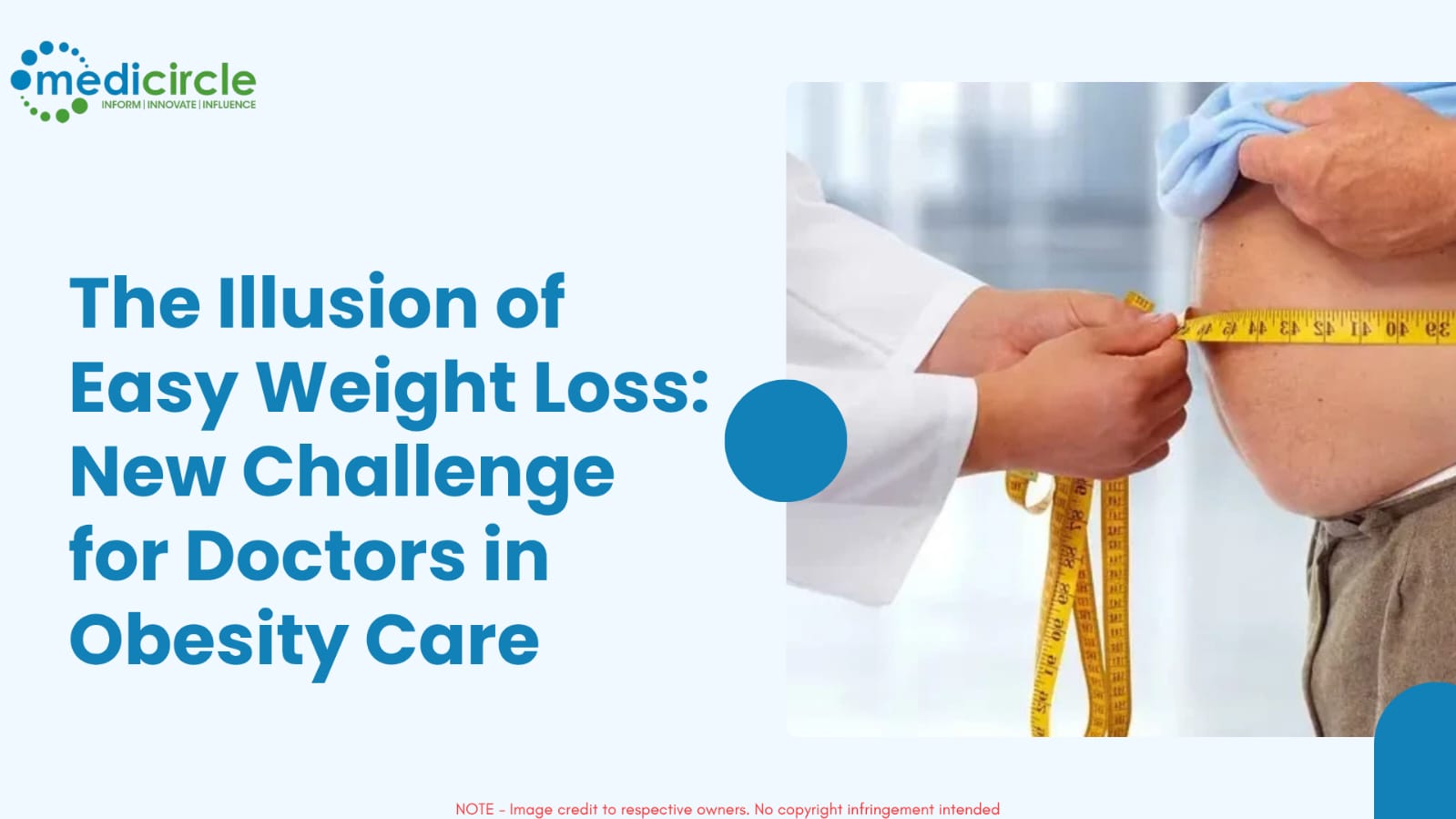
 By reinforcing ethical marketing rules and reminding companies of their responsibilities, the drug regulator has drawn a clear line between medical treatment and commercial hype.




In recent years, a new kind of pharmaceutical excitement has swept across the world. Medicines originally developed for diabetes management are now being celebrated as powerful tools for weight loss. On social media, in lifestyle blogs, and even through subtle health awareness campaigns, these drugs have slowly entered the public imagination as a modern solution to an age-old problem: obesity.
The fascination is easy to understand. Obesity has become one of the defining health challenges of the twenty-first century. Across urban India, waistlines are expanding at an alarming pace. Sedentary work, processed food, irregular sleep, and rising stress levels have created a perfect environment for metabolic disorders. Millions are struggling with excess weight, and many are searching desperately for quick solutions.
Into this landscape has arrived a class of medicines known as GLP-1 receptor agonists. Designed primarily for people with diabetes, these drugs work by influencing appetite regulation, insulin secretion, and glucose metabolism. Clinical studies have shown that they can also lead to significant weight reduction. As the news of these effects spread, the medicines quickly gained attention beyond the diabetic population.
What began as a legitimate scientific breakthrough soon transformed into a cultural phenomenon.
Suddenly, weight loss injections and medications were being discussed in beauty forums, celebrity interviews, and social media posts. Influencers began talking about “miracle shots” that could help people shed weight without the exhausting routines of strict diets or intense exercise. Around the world, demand surged. In some countries, pharmacies even reported shortages because non-diabetic individuals were trying to access drugs meant for metabolic disease management.
India has not been immune to this wave. As the interest in weight-loss medicines grew, promotional activities also started evolving in subtle ways. Pharmaceutical marketing, traditionally directed at doctors, began appearing in forms that seemed more public-facing. Some campaigns framed themselves as disease awareness initiatives. Others appeared through digital outreach, wellness discussions, or lifestyle content that indirectly highlighted the benefits of certain therapies.
On the surface, these efforts appeared harmless. Raising awareness about obesity is, after all, an important public health goal. Yet regulators noticed a worrying pattern. In some cases, such campaigns blurred the line between genuine health education and indirect promotion of prescription drugs.
This is the context in which the Central Drugs Standard Control Organization issued a strong advisory to pharmaceutical companies, importers, and marketing authorisation holders across the country.
The regulator reminded the industry that medicines classified as prescription drugs must remain within the boundaries defined by the Drugs and Cosmetics Act of 1940 and the corresponding rules framed in 1945. These laws clearly prohibit any form of advertising directed at the public for prescription-only medicines. The reasoning behind this restriction is simple. Powerful medications must be used under medical supervision, based on clinical judgement rather than consumer demand.
In its advisory, the regulatory authority expressed concern that certain promotional strategies especially those using digital media or public campaigns might indirectly influence people to seek specific prescription drugs without proper medical evaluation.
The warning was particularly focused on medicines used for obesity and metabolic disorders, especially those belonging to the GLP-1 receptor agonist category.
The regulator clarified that such drugs must be prescribed exclusively by registered medical practitioners and only for approved medical indications. Any communication that encourages the general public to consider these medicines independently is viewed as inappropriate and potentially dangerous.
This includes promotion through newspapers, television channels, online platforms, or social media networks. Even subtle messaging that exaggerates the effectiveness of weight loss drugs, guarantees dramatic results, or suggests they can replace lifestyle changes falls under the category of misleading promotion.
In a country where millions already struggle with body image pressures, the consequences of irresponsible messaging could be serious.
The human desire to lose weight quickly is powerful. When people encounter advertisements promising effortless transformation, the temptation can be overwhelming. Some may try to obtain medicines without proper medical guidance. Others may develop unrealistic expectations about what pharmaceutical therapy can achieve.
Obesity is rarely a simple problem with a single solution. It is a complex metabolic condition influenced by genetics, diet, physical activity, hormonal balance, sleep patterns, mental health, and environmental factors. Effective management requires a combination of medical supervision, behavioural change, nutritional guidance, and long-term commitment.
Drugs can play a role in this process, particularly for individuals with severe obesity or related metabolic complications. But they are only one part of the treatment framework. The regulator’s advisory reflects an important public health principle: medicines should support lifestyle change, not replace it.
Promoting pharmaceutical solutions as shortcuts risks undermining decades of work in preventive healthcare. Public health programs have long emphasized balanced diets, regular exercise, and sustainable lifestyle habits. If society begins to believe that injections or pills can solve obesity without these efforts, the broader health message may weaken.
The advisory also touches upon another important dimension of ethical marketing in the pharmaceutical industry. Unlike consumer goods, medicines operate within a delicate ethical framework. Companies are allowed to inform healthcare professionals about their products, but direct promotion to the public is restricted for prescription drugs. This system exists to protect patients from aggressive marketing tactics that might influence medical decisions.
Doctors are expected to evaluate evidence, assess patient needs, and prescribe treatment accordingly. When marketing bypasses this process, the balance of clinical judgement can be disturbed.
In recent years, digital platforms have complicated this landscape. Health information now spreads rapidly across social media, video channels, and online forums. A single post can reach millions within hours. Influencers often discuss health topics without medical training, while wellness content frequently blends personal experience with product promotion.
For regulators, distinguishing genuine health education from indirect advertising has become increasingly challenging. The advisory from the drug regulator signals that authorities are closely watching how pharmaceutical communication evolves in the digital age.
Companies have been urged to follow strict regulatory and ethical standards when discussing their products or related medical conditions. They must ensure that any information shared publicly does not encourage self-medication or create unrealistic expectations.
The advisory also requires firms to maintain transparent prescribing information and establish proper systems for handling consumer complaints.
Another key requirement involves risk management.
Pharmaceutical companies are expected to monitor the safety profile of their medicines continuously. Comprehensive risk management plans must be submitted so that potential side effects, long-term outcomes, and emerging safety signals can be tracked effectively.
This aspect is particularly important for medicines used in chronic conditions such as obesity.
When drugs are taken over long periods, even rare side effects can become significant at the population level. Careful monitoring helps regulators detect potential problems early and protect patients from avoidable harm.
The broader message emerging from the advisory is clear. Medical innovation must move forward with responsibility.
Weight loss drugs represent an important advancement in metabolic medicine. For patients struggling with severe obesity or diabetes, these therapies can improve health outcomes and reduce complications such as cardiovascular disease.
However, when scientific progress intersects with commercial enthusiasm, caution becomes essential.
The global fascination with weight loss medications has already sparked intense debates among doctors, researchers, and public health experts. Some celebrate these drugs as revolutionary tools in the fight against obesity. Others worry that society may begin viewing them as lifestyle products rather than medical treatments.
India’s regulatory intervention appears to be an attempt to prevent this shift before it becomes deeply entrenched.
The country is already facing a rising burden of metabolic disorders. Diabetes rates are among the highest in the world, and obesity is steadily increasing in both urban and semi-urban populations. If weight loss medicines are marketed aggressively without proper medical oversight, the consequences could extend beyond individual patients.
Public health priorities could become distorted.
Instead of encouraging healthier environments, better food systems, and active lifestyles, society may gravitate towards pharmaceutical solutions as the first line of defence. While medicines have their place, relying on them as primary tools for weight control would be a dangerous oversimplification.
The advisory also sends a signal to healthcare professionals. Doctors play a central role in managing obesity and metabolic disease. They must carefully evaluate which patients genuinely require pharmacological treatment and which can benefit from lifestyle intervention alone.
Responsible prescribing requires balancing scientific evidence with individual patient needs. At the same time, doctors may increasingly face questions from patients who have heard about weight loss drugs through media coverage or online discussions. Managing expectations will become an important part of clinical practice.
Patients often arrive with hopes shaped by headlines or viral posts. Physicians must explain that while certain medicines can support weight reduction, they are not magical cures. Success still depends heavily on diet, exercise, and sustained behavioural change.
In many ways, the current situation reflects a broader tension in modern healthcare.
Scientific innovation is moving rapidly. New drugs, technologies, and therapies promise remarkable improvements in health outcomes. Yet the way these innovations are communicated to the public can sometimes create unrealistic narratives. Healthcare progress should inspire hope, but it must remain grounded in scientific reality.
The role of regulators, therefore, becomes critical. By setting clear boundaries for pharmaceutical promotion, authorities attempt to maintain the integrity of medical practice and protect patients from misleading claims.
The recent advisory is a reminder that the excitement surrounding weight loss drugs must be balanced with responsibility.
Weight management involves changing how we eat, move, work, and live. It requires social awareness, supportive environments, and long-term commitment from individuals and communities. Medicines can assist this journey for some patients, but they cannot replace the fundamental principles of healthy living.
As interest in weight loss drugs continues to grow worldwide, India’s regulatory response may prove timely. By reinforcing ethical marketing rules and reminding companies of their responsibilities, the drug regulator has drawn a clear line between medical treatment and commercial hype.
In a world increasingly drawn to quick fixes, that line may be more important than ever.






.jpeg)
.jpg)
.jpg)
.jpg)
.jpg)
.jpg)
.jpg)


.jpg)
.jpg)
.jpg)
.jpg)
.jpg)
.jpg)