 Thursday, October 08, 2026
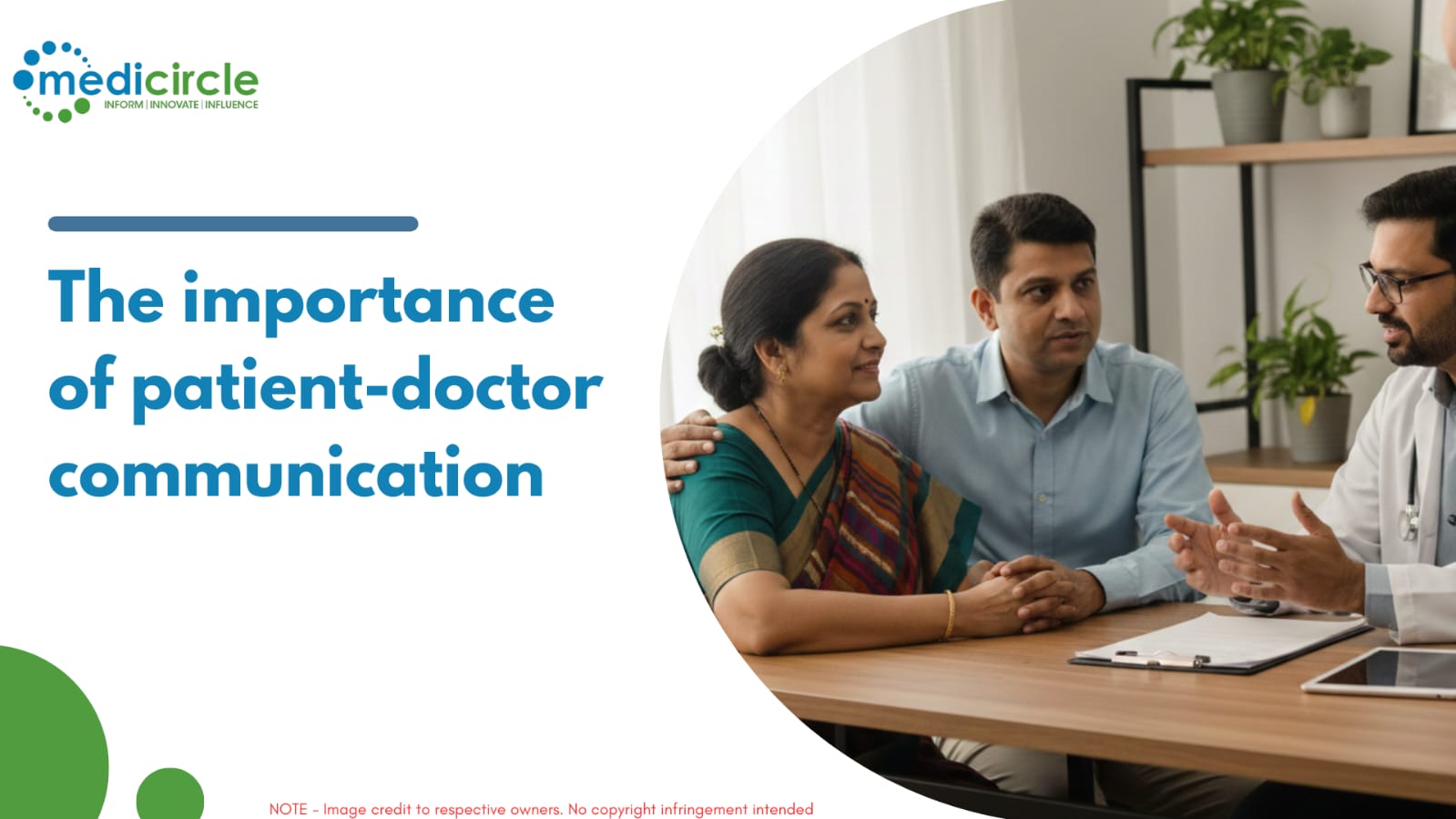
 Effective patient-doctor communication improves diagnosis accuracy, builds trust, encourages treatment adherence, and empowers patients as active partners, making conversation a core element of quality and personalized healthcare.




People often walk into a clinic and notice the impressive scan images or the certificates on the wall. It is easy to believe that healing comes primarily from technology and expertise. If you pause to consider, you might find the real starting point is simpler. The most fundamental element is the conversation between a patient and their doctor. In the daily rush of life, particularly within India's bustling hospital corridors, this discussion can feel rushed. It may seem like a brief formality before receiving medicine. That very conversation, however, the act of sharing your personal story, serves as the quiet engine of effective healthcare. It transforms a standard medical visit into a personalized path toward recovery.
More than Just Talk:
Consider the practical importance of this dialogue. A medical consultation should not be a one-way process where only the doctor speaks. It is a collaborative effort. You possess vital information, such as the specific nature of your knee pain, the sleepless nights caused by worry, or your family history of diabetes. When you express these details clearly, several positive outcomes become possible.
Diagnoses gain greater precision. A doctor acts like a detective, and every piece of information you provide serves as a clue. The detail you considered minor could be the missing piece that solves the puzzle. A genuine bond of trust begins to form. Facing health issues can make a person feel vulnerable. A doctor who listens attentively and explains conditions in clear language builds a bridge of confidence. This trust makes following medical advice much easier. You evolve into an active participant in your care. Understanding the reason for a specific medication or the benefit of a dietary change increases the likelihood of sticking to the plan. You move from being a passive receiver of care to an active partner in managing your health.
Hurdles and Hope:
Within India, this ideal interaction encounters specific realities. Hospital outpatient departments are often overflowing, which leaves very little time for lengthy discussion. A doctor in one region might find it challenging to understand the nuances of a symptom described in another Indian language. Sometimes, patients hold back their questions due to respect or shyness, not wishing to challenge the expert.
These points are not merely complaints. They represent realistic starting points for improvement. Acknowledging these challenges is the first step toward addressing them. This recognition reminds everyone that good communication requires conscious effort from both parties in the consultation room. It is a shared goal worthy of pursuit.
Steps to Better Health:
Creating this understanding does not require grand actions. Small and deliberate steps can make a significant difference.
For patients, careful preparation is empowering. Before an appointment, take five minutes to write down main concerns. Note when the headache started or what makes the pain better or worse. Write down every question, regardless of its perceived size. Enter the room with those notes and mention to the doctor that you wrote points to use time well. This approach shows respect for their time and for your own health.
For healthcare professionals, empathy stands as the most important tool. It involves looking up from the computer screen, making eye contact, and confirming understanding. Replacing a complex term like hypertension with the phrase high blood pressure can remove confusion. Spending a few extra minutes to ensure patient comprehension can prevent a lifetime of health mismanagement. The goal is to create a partnership, not just issue directives.
MediCircle Role:
Modern health platforms serve a purpose within this context. Websites such as MediCircle.in provide reliable and easy to understand information. These resources help people prepare for important conversations, understand medical terminology in advance, and make sense of advice after a visit. The role of the best technology is not to replace the human touch but to support it. Even a seamless video consultation relies completely on the quality of the conversation happening through the screen. Technology is a helpful tool, but the human connection remains the true source of healing.
First Medicine is Understanding:
The relationship between a patient and a doctor is ultimately a partnership for well-being. It is a shared journey where clear and compassionate communication acts as a guiding map. In a country as diverse as India, championing this simple yet powerful dialogue can transform health outcomes one conversation at a time. Before considering prescriptions or procedures, consider the dialogue. That open and honest talk is not just one part of the medical process. In many ways, that conversation represents the most important treatment a person will ever receive.






.jpeg)










.jpg)
.jpg)
.jpg)
.jpg)
.jpg)
.jpg)


.jpg)