 Tuesday, October 27, 2026
 MafB may prove to be one of those pivotal switches, ensuring that the body’s cleanup crew matures properly and performs its duties faithfully.




Deep inside every organ of the human body, a workforce labors without rest. These cells do not attract attention like neurons in the brain or muscle fibers in the heart. They do not make headlines in the way cancer cells or viruses do. But without them, life would collapse quickly. They are macrophages, a cornerstone of the immune system, guardians of tissue health, and custodians of biological balance. Now, scientists have identified what may be the single genetic switch that allows these immune cells to grow up, assume their identity, and keep our organs functioning smoothly.
Researchers at the University of Liege have uncovered compelling evidence that a regulator known as MafB plays a decisive role in shaping macrophage development and function. In the expanding world of immunology and genetic research, this discovery carries weight. It offers insight into how immune cells mature, how organ health is preserved, and how chronic diseases might be addressed at their root.
Macrophages are often described as the body’s cleanup crew. The phrase is simple, but the responsibility is vast. These immune cells patrol almost every tissue, from the lungs and liver to the kidneys and intestines. They engulf bacteria and viruses. They remove dead cells before they accumulate and trigger inflammation. They recycle iron from aging red blood cells, ensuring that this essential mineral remains available for oxygen transport. They guide tissue repair after injury. They help maintain immune balance so that the body does not attack itself.
Despite their presence across diverse organs, macrophages share a core identity. A macrophage in the lung differs in some ways from one in the spleen, adapting to the needs of its environment. Yet both retain a common set of duties that define them as part of the innate immune system. For years, scientists have wondered how this shared identity is maintained while allowing flexibility. How does a macrophage know what it is supposed to be?
The answer, it appears, may lie in MafB.
MafB functions as a genetic regulator, a kind of molecular control panel that turns specific genes on or off. Genes, after all, are not static instructions that run continuously. They must be activated at the right time and silenced when their job is done. In the case of macrophage development, MafB appears to guide immature precursor cells toward full maturity.
Macrophages originate from monocytes, circulating immune cells that travel through the bloodstream. When monocytes enter tissues, they undergo transformation. They must activate genes responsible for phagocytosis, the process of engulfing harmful particles and debris. They must express proteins that allow them to communicate with surrounding cells. They must adopt metabolic programs suited to their environment. This transformation is complex and tightly controlled.
The research team observed that as monocytes differentiate into tissue macrophages, levels of MafB steadily increase. This rise is not random. It signals the activation of a genetic program that enables macrophages to perform their essential tasks. When MafB is absent or reduced, the maturation process stalls. The cells remain present in tissues, but they lack full functionality. They exist, yet they cannot fully protect.
This distinction is crucial. In medicine, it is easy to assume that the presence of immune cells guarantees defense. The new findings challenge that assumption. Macrophages without proper genetic instruction may appear normal under a microscope, but they are functionally impaired. Their ability to clear pathogens weakens. Their capacity to recycle iron falters. Their contribution to tissue homeostasis declines.
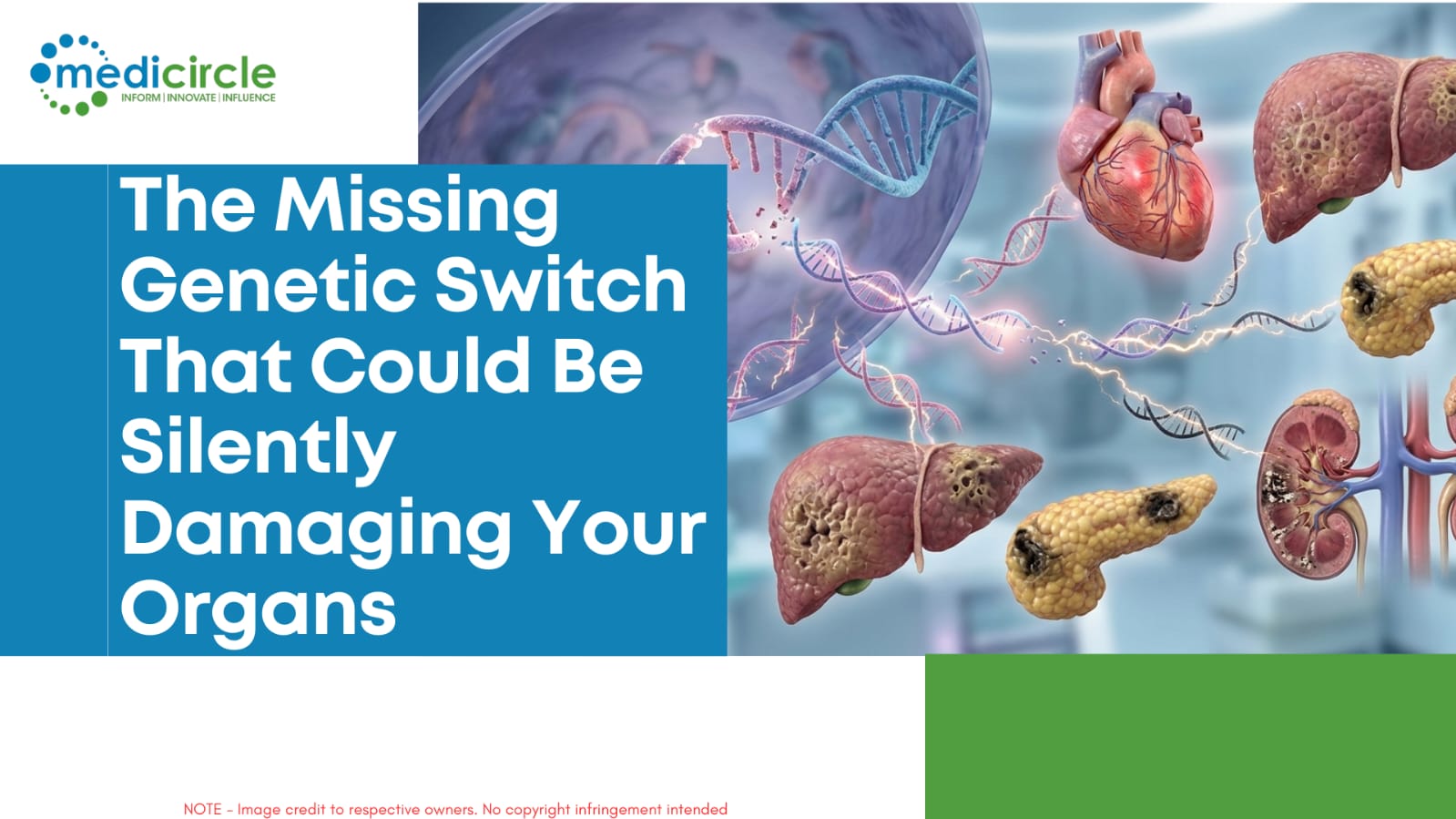
The implications stretch far beyond a single cell type. In experimental models, researchers observed that when MafB-driven programs were disrupted, organs began to suffer. The spleen showed problems with iron metabolism, a process vital for maintaining healthy blood. The lungs exhibited functional irregularities. The intestines and kidneys also demonstrated signs of imbalance. These findings reinforce a central principle of human biology: the immune system does not operate in isolation. It is woven into the fabric of every organ.
Modern healthcare increasingly recognizes the importance of immune regulation in chronic disease. Conditions such as inflammatory bowel disease, pulmonary fibrosis, chronic kidney disease, and metabolic disorders all involve immune dysfunction. Macrophages, in particular, play a dual role. When functioning properly, they support healing and maintain stability. When dysregulated, they can drive inflammation and tissue damage.
Understanding the genetic mechanisms that govern macrophage identity therefore opens new therapeutic possibilities. If MafB acts as a master switch, then targeting this pathway could help restore balance in diseases marked by immune malfunction. Instead of suppressing the immune system broadly, future treatments might focus on correcting the maturation and programming of macrophages themselves.
This approach aligns with the broader movement towards precision medicine. Rather than treating symptoms alone, researchers aim to intervene at the level of molecular regulation. By adjusting specific genetic pathways, it may be possible to recalibrate immune responses without compromising the body’s ability to fight infection.
The discovery also highlights the evolutionary importance of MafB. The genetic program controlled by this regulator appears to be conserved across species, from mice to humans and across vertebrates. Such conservation suggests that the pathway emerged early in evolution and remained essential. Nature rarely preserves a mechanism without reason. When a genetic program persists across millions of years, it signals fundamental biological value.
It also raises broader questions about aging and organ resilience. As people grow older, immune function changes. Chronic low-grade inflammation becomes more common. Tissue repair slows. If macrophage programming is altered over time, could age-related decline be partly explained by changes in genetic regulators like MafB? Future research may explore this connection, potentially linking immune cell maturation to longevity and healthy aging.
The study reinforces another important concept in modern immunology: identity matters. Cells are defined not only by where they reside but by the genetic instructions they follow. A macrophage is not merely a scavenger. It is a highly specialized cell shaped by precise regulatory networks. Disrupt those networks, and organ health begins to falter.
In the broader landscape of immune system research, macrophages have gained increasing attention. Once viewed primarily as simple phagocytes, they are now recognized as sophisticated coordinators of inflammation, repair, and metabolic balance. They communicate with epithelial cells, endothelial cells, and adaptive immune cells. They sense environmental cues and respond accordingly. Their versatility makes them powerful allies, yet also potential contributors to disease when misdirected.
By pinpointing MafB as a central switch, scientists have clarified one of the key elements that ensure macrophages maintain their core identity while adapting to diverse tissues. This clarity matters for drug development. Targeting a shared genetic program may offer more predictable outcomes than attempting to manipulate multiple downstream pathways.
The path from laboratory discovery to clinical application is long. Any therapy aimed at modifying genetic regulators must undergo rigorous testing for safety and effectiveness. Still, the conceptual advance is undeniable. Instead of viewing macrophage dysfunction as an inevitable byproduct of disease, researchers can now consider whether correcting maturation pathways might restore health.
The immune system remains one of the most intricate systems in human biology. It protects us from infection, orchestrates healing, and maintains internal balance. Its failures can be devastating. Discoveries like this remind us that even a single genetic switch can have sweeping effects across multiple organs.
In the coming years, research into MafB and related pathways may expand. Scientists may investigate whether modulating this regulator can reverse macrophage dysfunction in specific diseases. They may explore its role in tissue regeneration, fibrosis, or infection control. They may examine whether environmental factors influence its activity.
For now, the discovery stands as a powerful example of how molecular biology continues to illuminate the foundations of health. It underscores the interconnectedness of organs, immune cells, and genetic regulation. It challenges the assumption that immune presence equals immune competence. And it opens the door to new strategies in treating chronic inflammatory disease and preserving organ function.
In a world increasingly focused on precision healthcare and personalized medicine, understanding the switches that govern cell identity is essential. MafB may prove to be one of those pivotal switches, ensuring that the body’s cleanup crew matures properly and performs its duties faithfully.
The health of our organs depends on countless interactions taking place beyond our awareness. Within that hidden choreography, macrophages play a starring role. Thanks to advances in immunology and genetic research, we now glimpse the molecular conductor guiding their performance. If future therapies can harness this knowledge, the impact on immune health, chronic disease management, and organ protection could be profound.





-23-300x250.png)

.jpeg)








.jpg)
.jpg)
.jpg)
.jpg)
.jpg)
.jpg)
.jpg)
.jpg)
.jpg)

