Tuesday, October 27, 2026
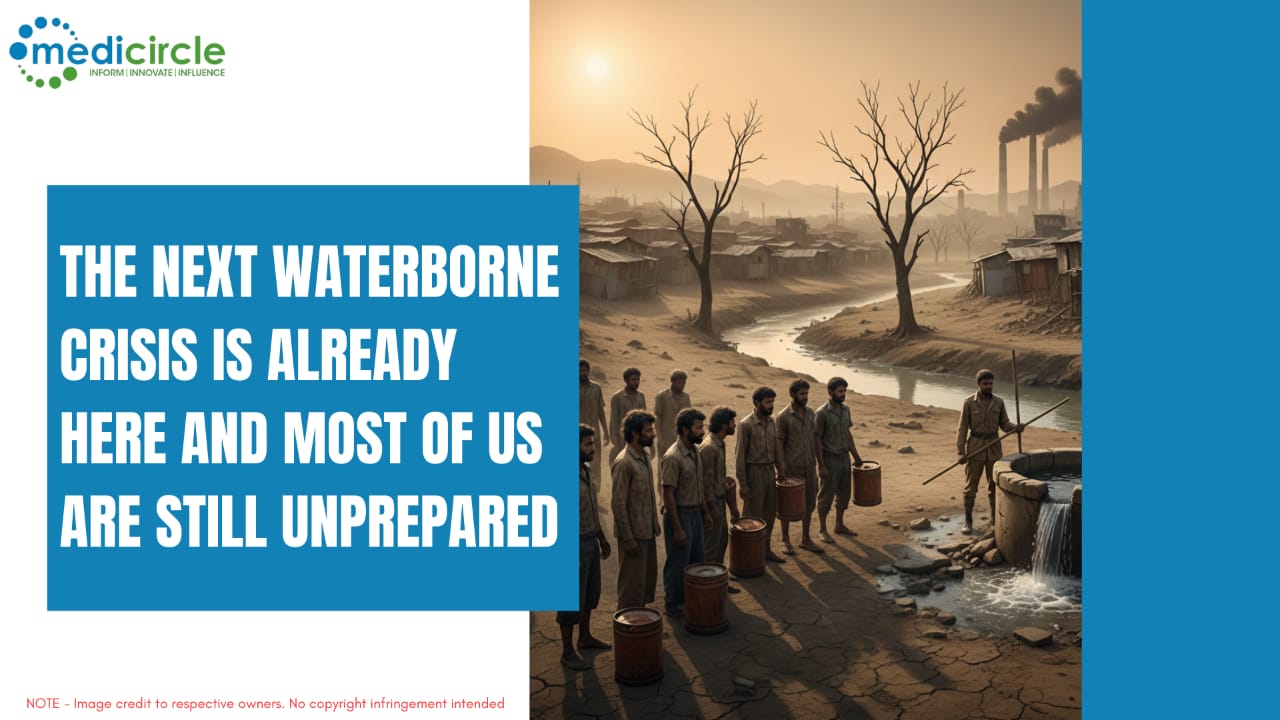
 Free-living amoebae may be invisible to the naked eye, but their presence exposes vulnerabilities that demand serious attention.




Across the world, conversations on public health often revolve around familiar enemies such as viruses, bacteria, pollution, or lifestyle diseases. Yet, thriving in water bodies, soil, and even treated drinking water systems is a group of microscopic organisms that rarely make headlines but carry the potential for devastating consequences. Scientists working at the intersection of environmental science and public health are now warning that free-living amoebae may represent one of the most underestimated threats to global health in the coming decades.
Free-living amoebae are single-celled organisms found naturally in the environment. They are ancient life forms, older than many complex organisms, and have adapted remarkably well to changing conditions on Earth. Most species are harmless and exist unnoticed, playing a role in natural ecosystems. However, a small number can cause severe disease in humans, often with fatal outcomes. What alarms researchers is not just the lethality of certain species, but their growing presence in environments that humans consider safe, including treated water systems and recreational water sources.
One organism that has come to symbolise this danger is Naegleria fowleri, widely known as the brain-eating amoeba. Though infections are rare, they are almost always deadly. The organism enters the body when contaminated water goes up the nose, usually during swimming or bathing in warm freshwater. From there, it travels to the brain and causes a rapidly progressing infection that few survive. What makes this especially troubling is that such infections often occur in ordinary settings such as lakes, rivers, or poorly maintained water facilities, places people visit without a second thought.
Researchers argue that focusing only on dramatic cases misses the larger picture. Free-living amoebae are not a single-species problem. They are a broad group of organisms capable of surviving conditions that eliminate many other microbes. According to scientists writing in the journal Biocontaminant, these organisms can tolerate high temperatures, resist disinfectants like chlorine, and persist within water distribution systems for long periods. This resilience allows them to colonise pipes, storage tanks, and plumbing infrastructure, turning systems designed to deliver clean water into potential reservoirs of infection.
One of the strongest warnings comes from environmental health researchers such as Longfei Shu of Sun Yat-sen University, who points out that amoebae thrive where other microbes fail. Their ability to endure heat and chemical treatment means they can survive in regions experiencing rising temperatures and in water systems that rely on conventional disinfection methods. As climate patterns shift and heatwaves become more frequent, warm water environments are expanding, creating ideal conditions for these organisms to grow.
Climate change is now seen as a powerful driver of this emerging threat. Rising global temperatures are warming lakes, rivers, and even underground water sources. Amoebae that once thrived only in tropical or subtropical regions are now appearing in temperate zones. This geographic expansion increases the risk of human exposure in regions that lack awareness, surveillance, or diagnostic readiness. In many cases, health systems may not even consider amoebic infections when patients present with early symptoms, leading to delayed diagnosis and poor outcomes.
The problem does not end with direct infection. Scientists are increasingly concerned about the role of free-living amoebae as hidden carriers of other dangerous microbes. Inside their cells, amoebae can harbour bacteria and viruses, shielding them from environmental stress and chemical treatment. This phenomenon, often described as a Trojan horse effect, allows harmful pathogens to survive disinfection processes and re-emerge in water systems. Some of these sheltered microbes are known to cause pneumonia, gastrointestinal infections, and other serious illnesses.
Even more worrying is the link to antibiotic resistance. By providing a protected environment for bacteria, amoebae may contribute to the survival and spread of drug-resistant strains. Inside amoebae, bacteria can exchange genetic material and adapt to hostile conditions. When released back into water systems, these bacteria may be stronger, harder to kill, and more capable of causing outbreaks. In a world already struggling with antimicrobial resistance, this hidden pathway adds another layer of complexity to disease control.
Despite these risks, free-living amoebae remain largely absent from routine water monitoring programmes. Most water safety systems focus on indicators such as bacterial counts, chlorine levels, and turbidity. Amoebae are rarely tested for, partly because detection requires specialised methods and expertise. In many countries, there are no clear guidelines or regulations addressing amoebic contamination in water supplies. This gap leaves communities vulnerable, particularly those relying on ageing infrastructure or informal water sources.
Urbanisation has added to the challenge. Rapid population growth places enormous pressure on water and sanitation systems, especially in low and middle-income countries. Leaking pipes, intermittent water supply, and poor maintenance create conditions where amoebae can flourish. When water supply is irregular, negative pressure in pipes can draw in contaminated groundwater or soil, introducing amoebae into distribution networks. Once established, they are difficult to remove.
Recreational water use also plays a role. As people seek relief from heat in natural water bodies, exposure increases. Lakes, ponds, and rivers that appear clean may harbour amoebae, particularly during warmer months. Artificial environments such as water parks, fountains, and poorly maintained swimming pools can also become breeding grounds if temperature and disinfectant levels are not carefully controlled. Public awareness of these risks remains low, and safety messages often fail to mention amoebae at all.
From a public health perspective, the challenge is compounded by limited diagnostic capacity. Amoebic infections can progress rapidly, and early symptoms often resemble more common illnesses. Without timely laboratory confirmation, treatment may begin too late. In many regions, clinicians have never encountered such cases and may not consider them during initial assessment. Strengthening diagnostic tools and clinical awareness is therefore essential.
Experts now argue that addressing this issue requires a shift in thinking. Free-living amoebae sit at the crossroads of environmental health, water management, and clinical medicine. Treating them as an isolated problem misses the broader system in which they operate. Researchers are calling for a One Health approach that recognises the interconnectedness of human health, ecosystems, and infrastructure. This means closer collaboration between doctors, microbiologists, environmental scientists, engineers, and policymakers.
Improving surveillance is a critical first step. Regular monitoring of water systems for amoebae, especially in high-risk settings, would help identify problems before infections occur. Advances in molecular diagnostics offer new possibilities for faster and more accurate detection. At the same time, water treatment technologies must evolve. Conventional chlorination alone may not be sufficient. Combining methods such as advanced filtration, ultraviolet treatment, and system design improvements could reduce the ability of amoebae to survive and colonise.
Public communication also matters. People need clear, practical information about how infections occur and how risks can be reduced. Simple measures such as avoiding forceful water entry into the nose during freshwater activities, maintaining proper pool hygiene, and ensuring safe water storage can make a difference. These messages must be delivered without fear-mongering, balancing awareness with reassurance.
Policy frameworks will play a decisive role. Governments and regulatory bodies must recognise free-living amoebae as a legitimate public health concern. Updating water quality standards, investing in infrastructure upgrades, and supporting research are long-term but necessary investments. In countries facing frequent heatwaves and water stress, the cost of inaction could be measured in lives.
The story of free-living amoebae is a reminder that public health threats do not always arrive with warning signs. Some evolve quietly, shaped by environmental change, human behaviour, and neglected systems. By the time they capture public attention, the damage may already be done. Scientists are raising the alarm now, while there is still time to act.
In an era defined by climate change and emerging infections, the safety of water can no longer be taken for granted. What flows from taps, pools, and natural sources reflects the health of the systems behind it. Free-living amoebae may be invisible to the naked eye, but their presence exposes vulnerabilities that demand serious attention. Protecting public health at its source means looking beyond familiar threats and confronting those that thrive in silence.




-23-300x250.png)

.jpeg)






.jpg)
.jpg)
.jpg)
.jpg)
.jpg)
.jpg)
.jpg)
.jpg)
.jpg)