 Thursday, October 08, 2026
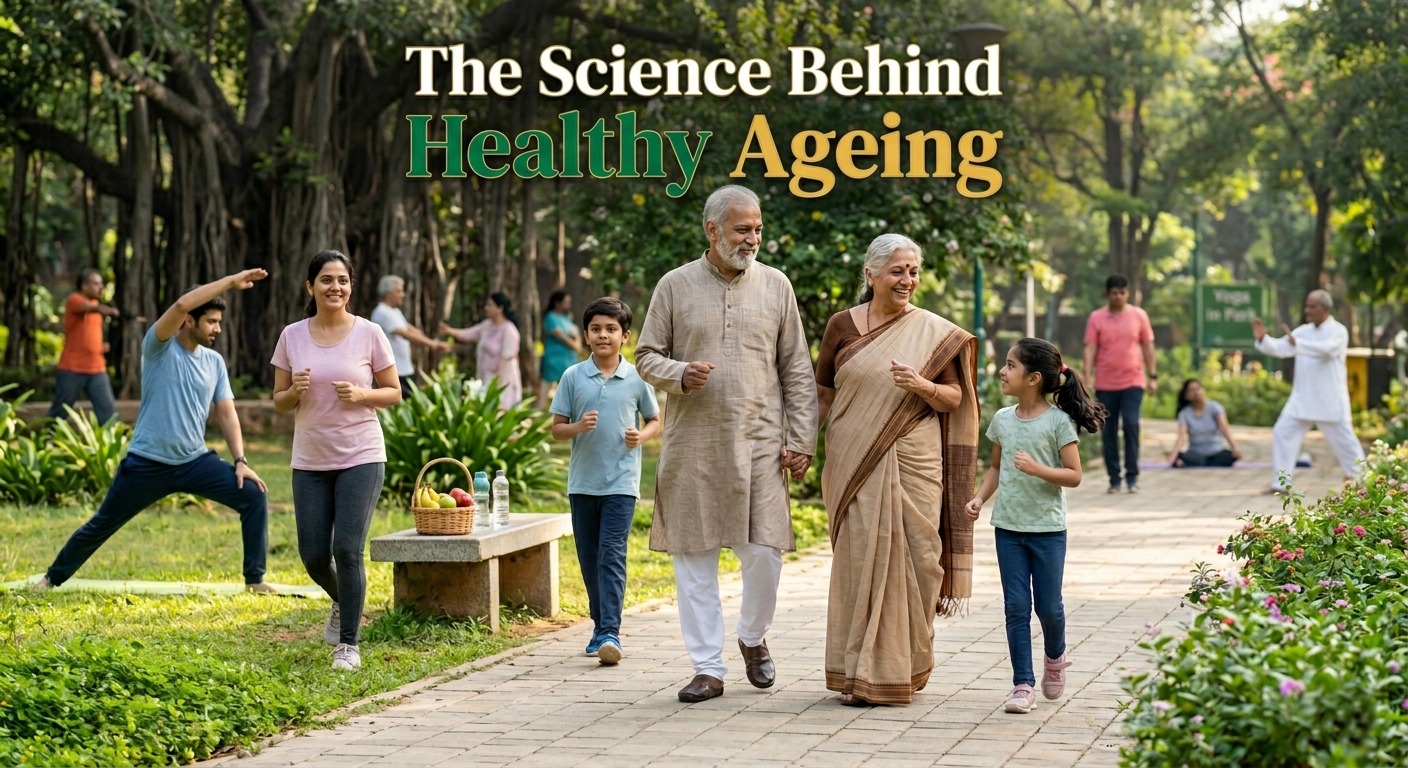
 Healthy ageing is a gradual process shaped by consistent lifestyle choices that influence physical health, mental clarity, and overall resilience over time.




Ageing does not begin at a certain number. It builds quietly through years of habits, routines, and choices that shape how the body functions over time. Some people notice a steady decline in energy and mobility, while others seem to maintain strength, clarity, and independence much longer. The difference often comes down to patterns that are repeated daily, not occasional efforts. Understanding the science behind healthy ageing helps shift the focus from reacting to ageing toward managing it early and consistently.
What Healthy Ageing Really Means
Healthy ageing is not about avoiding age. It is about maintaining physical, mental, and emotional balance as the body changes. It involves preserving mobility, supporting brain function, and reducing the risk of long-term conditions without relying entirely on medical intervention.
A clear way to understand this is by comparing healthy ageing vs unhealthy ageing. In one case, the body adapts gradually with stable energy, better recovery, and fewer complications. In the other, lifestyle patterns accelerate decline, leading to fatigue, reduced strength, and dependency earlier than expected.
The distinction is not always dramatic in the beginning. It develops over time, shaped by everyday habits, diet, and activity levels.
Why It Matters More Than Most People Realise
The importance of healthy ageing becomes clearer when looking at long-term health outcomes. Many conditions associated with ageing are not purely age-driven. They are influenced by how the body has been treated over the years.
Aging well affects:
- Physical independence and mobility
- Cognitive clarity and emotional balance
- Risk of chronic diseases
- Overall quality of life
When ageing is managed well, individuals remain active and self-sufficient for longer. This reduces both medical dependency and lifestyle limitations.
The Science Behind How The Body Ages
Ageing is influenced by biological processes that occur gradually. These include cellular damage, reduced regeneration, and changes in metabolism. While these processes are natural, their speed and impact vary depending on lifestyle.
Factors that influence ageing include:
- Oxidative stress caused by environmental and dietary factors
- Inflammation that builds over time
- Hormonal changes affecting energy and recovery
- Muscle loss due to inactivity
- Reduced efficiency in cellular repair
Understanding the science behind healthy ageing shows that while ageing cannot be stopped, its progression can be influenced. The body responds to consistent inputs, which means daily choices matter more than occasional efforts.
Daily Patterns That Support Long-Term Health
Sustainable health is not built through extreme routines. It develops through consistent, manageable actions that support the body over time.
Movement and physical activityRegular movement helps maintain muscle strength, joint flexibility, and balance. It also supports circulation and reduces the risk of stiffness and injury. Understanding how to age well physically begins with staying active in ways that feel sustainable.
Balanced nutritionDiet plays a central role in ageing. A focus on Healthy food supports energy levels, digestion, and overall body function. Nutrient-dense meals help reduce inflammation and support cellular repair.
Sleep and recoverySleep allows the body to repair and restore itself. Poor sleep patterns can accelerate ageing-related issues, including fatigue and cognitive decline.
Mental engagementKeeping the mind active supports cognitive health. Reading, learning, and engaging in conversations help maintain mental clarity.
Stress managementChronic stress affects both physical and mental health. Managing it through simple routines helps maintain balance and stability.
These patterns form the foundation of powerful habits of healthy ageing, where consistency matters more than intensity.
Signs That Indicate You Are Ageing Well
Ageing well is not always measured by appearance. It is reflected in how the body functions and adapts over time.
Common Signs you are ageing well include:
- Stable energy levels throughout the day
- Good mobility and balance
- Clear thinking and memory retention
- Healthy digestion and appetite
- Ability to recover from minor physical strain
These signs often appear gradually and reflect long-term lifestyle patterns rather than short-term efforts.
Case Studies: How Daily Choices Shape Ageing
Case Study 1: Consistency Over IntensityMeera, in her early sixties, never followed extreme fitness routines. Instead, she maintained a steady pattern of walking, simple home exercises, and balanced meals. Her focus remained on consistency rather than intensity.
Over time, this approach helped her maintain mobility and independence. She did not experience sudden improvements, but her body remained stable and responsive. Her routine reflected Powerful habits of healthy ageing, built through small but consistent actions.
Case Study 2: Delayed Attention to LifestyleRamesh spent most of his working years in a sedentary routine with irregular meals and minimal activity. In his late fifties, he began experiencing fatigue, joint stiffness, and reduced stamina.
As he started making gradual adjustments, including dietary changes and regular movement, improvements began to appear. The process was slower, showing how long-term patterns influence outcomes more than short-term fixes.
Case Study 3: Balanced Approach to AgeingAnita focused on maintaining balance in her daily routine. She included light exercise, mindful eating, and regular social interaction. Her approach was not rigid but consistent.
Over the years, she maintained steady energy levels and mental clarity. Her routine aligned with natural health tips for senior citizens, where simplicity and consistency worked together.
Mistakes That Accelerate Ageing
Some patterns contribute to faster decline without being immediately noticeable.
- Ignoring physical activity
- Relying heavily on processed foods instead of healthy food
- Poor sleep habits
- High stress levels without management
- Irregular routines
Avoiding these patterns is as important as adopting positive habits.
Practical Ways To Support Healthy Ageing
Instead of drastic changes, simple adjustments can make a meaningful difference.
- Maintain regular movement through walking or light exercise
- Prioritize balanced meals with nutrient-rich foods
- Create a consistent sleep schedule
- Stay mentally engaged through reading or learning
- Manage stress through simple daily practices
These are part of 10 tips for healthy ageing that focus on sustainability rather than quick results.
FAQs
1. What is healthy ageing in simple terms?Healthy ageing means maintaining physical, mental, and emotional well-being as you grow older.
2. What is the science behind healthy ageing?The science behind healthy ageing involves understanding how lifestyle choices influence biological ageing processes.
3. What are the signs you are ageing well?Common signs you are ageing well include stable energy, mobility, and mental clarity.
4. How to age well physically?How to age well physically involves regular movement, proper nutrition, and consistent routines.
5. Why is the importance of healthy ageing growing?The importance of healthy ageing is increasing as people aim for longer, healthier lives with independence.
6. What are powerful habits of healthy ageing?Powerful habits of healthy ageing include staying active, eating well, managing stress, and maintaining routines.
7. What is the difference between healthy ageing vs unhealthy ageing?Healthy ageing vs unhealthy ageing depends on lifestyle patterns that either support or accelerate decline.
8. What are natural health tips for senior citizens?Natural health tips for senior citizens include balanced diets, regular movement, and mental engagement.
9. What foods support healthy ageing?Healthy food such as fruits, vegetables, whole grains, and proteins support long-term health.
10. Can ageing be controlled?Ageing cannot be stopped, but its progression can be influenced through consistent lifestyle choices.
Conclusion
Ageing is not just a biological process. It is shaped by daily choices that build over time. By understanding the science behind healthy ageing, it becomes possible to support the body in ways that promote stability, strength, and independence. Small, consistent actions often make the biggest difference in how ageing is experienced.






.jpeg)










.jpg)
.jpg)
.jpg)
.jpg)
.jpg)
.jpg)


.jpg)