Tuesday, October 27, 2026
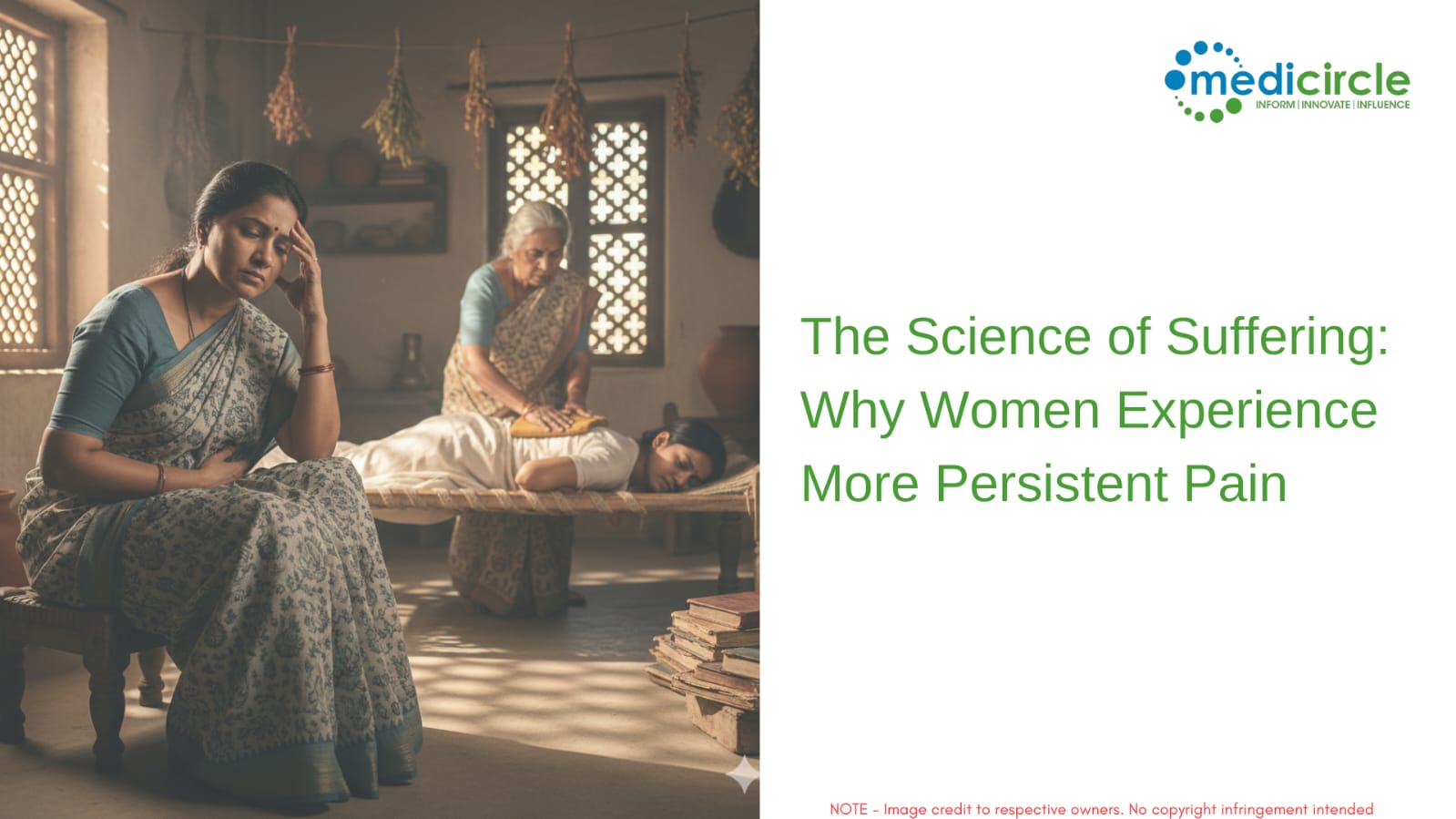
 Acknowledging the biological undertones of women’s pain is a step towards fairness, accuracy, and better health outcomes




Across India, millions wake up each morning carrying pain that has lingered far beyond its expected course. It sits in the lower back, stiffens the knees, burns along nerves, or throbs in muscles without visible injury. For many, this discomfort stretches beyond weeks and settles in for months, even years. Chronic pain has quietly become one of the country’s most pressing yet under-discussed public health challenges. According to estimates from the Indian Council of Medical Research and its research network, nearly one in four Indian adults lives with pain lasting longer than three months. That is not a fleeting complaint. It is a sustained health burden with deep physical, emotional, and economic consequences.
Chronic pain disorders range from persistent back pain and osteoarthritis to neuropathic pain, fibromyalgia, inflammatory joint disease, and musculoskeletal pain syndromes. These conditions disrupt sleep, reduce mobility, limit earning capacity, and strain healthcare systems. The prevalence numbers alone are concerning, yet what demands closer attention is the striking gender gap. Women report chronic pain at significantly higher rates than men, and their symptoms often endure longer. Bone pain, joint stiffness, tendon discomfort, nerve-related burning sensations, and widespread musculoskeletal pain are especially common among women. The difference is not subtle. In several Indian studies, the proportion of women affected is nearly one and a half times that of men.
For years, this disparity was often brushed aside as social conditioning or psychological sensitivity. Women describing severe pain were sometimes told it was stress-related or emotional. However, emerging research in pain immunology is reshaping that narrative. A recent study published in Science Immunology has added compelling biological evidence to the conversation. It suggests that the way men and women process and resolve inflammatory pain may differ at the level of the immune system.
Pain is not simply a signal from injured tissue. It is a complex interaction between nerves, immune cells, hormones, and brain circuits. When tissue is inflamed, immune cells rush to the site, releasing chemical messengers that amplify or calm pain signals. Among these cells are monocytes, a type of white blood cell that plays a key role in immune regulation. The new research indicates that monocytes produce a molecule called interleukin-10, or IL-10, which acts as a natural brake on pain. IL-10 helps dampen inflammation and quiets hypersensitive nerve fibers.
In experimental models, male subjects showed stronger IL-10 activity, allowing inflammatory pain to subside more quickly. Testosterone appeared to enhance this immune response. Female subjects, influenced by different hormonal environments, displayed lower IL-10 signalling in comparable conditions. The result was prolonged inflammatory pain. While women also produce testosterone, the levels differ significantly from men, and this hormonal variation may influence how immune pathways behave.
This insight matters because it reframes chronic pain as a biological process shaped by sex hormones and immune function. It moves the discussion away from stereotypes and toward measurable physiology. For women who have long felt dismissed in clinical settings, this research offers validation. Their pain is not exaggerated. It may be rooted in immune pathways that function differently from those in men.
In India, the burden of chronic pain intersects with lifestyle and geography. Urban populations report rising rates of back pain, cervical spondylosis, and sedentary lifestyle-related musculoskeletal problems. Long hours at desks, limited physical activity, and increasing obesity contribute to spinal stress and nerve compression. In rural areas, the pattern shifts. Joint degeneration, occupational injuries, and repetitive strain from agricultural labor dominate. Women in both settings carry unique risks. Many juggle domestic responsibilities, caregiving, and physical work, which compounds strain on bones and muscles. Over time, untreated inflammation can evolve into persistent pain syndromes.
Chronic pain is a disease state involving neuroplastic changes in the central nervous system. When pain signals continue for extended periods, the nervous system becomes sensitized. This process, known as central sensitization, lowers the threshold for pain perception. Even mild stimuli can trigger intense discomfort. Conditions such as fibromyalgia exemplify this phenomenon. Women are disproportionately diagnosed with fibromyalgia, raising further questions about immune-hormonal interactions and chronic inflammation.
The economic cost of untreated chronic pain is substantial. Reduced workplace productivity, frequent medical visits, long-term medication use, and surgical interventions add financial strain. Healthcare systems already stretched by infectious diseases and non-communicable diseases must now contend with the silent epidemic of chronic pain. Pain management clinics are expanding, yet access remains uneven. Many patients rely on over-the-counter analgesics, which may provide temporary relief but fail to address underlying inflammation or neuropathic mechanisms.
The biological insights from immunology research could guide more precise treatment strategies. If monocyte activity and IL-10 signalling influence pain resolution, therapies that modulate these pathways may hold promise. Researchers are exploring immune-targeted drugs that enhance anti-inflammatory signals without suppressing essential immune defenses. Hormonal influences may also shape treatment response. Understanding how estrogen and testosterone interact with immune cells could lead to sex-specific pain management approaches.
Personalized medicine is becoming a key theme in modern healthcare. Chronic pain treatment has traditionally followed a generalized model: anti-inflammatory drugs, physiotherapy, antidepressants for neuropathic pain, and, in severe cases, opioids. Yet these approaches do not yield equal results for everyone. If biological sex alters immune responses and inflammatory signalling, then individualized therapy plans may improve outcomes. Women with persistent inflammatory pain might benefit from targeted immune modulation alongside conventional physiotherapy and cognitive behavioral therapy.
The psychological dimension of chronic pain should not be ignored, though it must not overshadow biological reality. Chronic discomfort often leads to anxiety, depression, and sleep disturbances. Pain and mental health influence each other in a continuous loop. However, attributing women’s symptoms solely to stress without investigating immune or hormonal factors can delay effective care. Research linked to institutions such as the National Centre for Disease Informatics and Research has highlighted patterns where women’s complaints are sometimes minimized. Addressing this bias is essential for equitable healthcare delivery.
Early diagnosis and comprehensive evaluation remain central to chronic pain management. Detailed patient history, imaging when necessary, laboratory tests for inflammatory markers, and neurological assessment can uncover treatable causes. Conditions like rheumatoid arthritis, autoimmune disorders, neuropathy, and degenerative spine disease require specific interventions. When no clear structural cause is identified, clinicians must consider central sensitization and immune dysregulation rather than defaulting to psychological explanations.
Lifestyle interventions remain foundational. Regular low-impact exercise strengthens muscles that support joints and reduces inflammatory mediators. Balanced nutrition rich in omega-3 fatty acids, antioxidants, and anti-inflammatory foods may help modulate immune responses. Weight management decreases stress on weight-bearing joints and lowers systemic inflammation. Adequate sleep supports hormonal balance and immune repair. Stress reduction techniques such as yoga, mindfulness, and breathing exercises can complement medical therapy by calming overactive neural pathways.
For women, awareness of hormonal cycles may also be relevant. Some experience fluctuations in pain intensity during menstrual phases, pregnancy, or menopause. These patterns reflect hormonal influence on inflammation and nerve sensitivity. Healthcare providers should consider these factors when designing long-term treatment plans.
The broader implication of immunological research is that chronic pain may one day be approached with the same precision applied to cardiovascular disease or diabetes. Instead of viewing it as an unavoidable companion of aging or stress, clinicians may analyze immune biomarkers, hormonal profiles, and genetic predispositions to craft targeted interventions. This evolution in pain medicine could reduce dependence on opioid analgesics and lower the risk of medication-related side effects.
In public health discourse, chronic pain deserves recognition alongside hypertension, diabetes, and heart disease. Its prevalence rivals many chronic conditions, yet it receives less policy attention. Education campaigns can raise awareness about early treatment, physical therapy access, and the importance of reporting persistent pain. Employers can implement ergonomic workplace designs to reduce back strain. Rural outreach programs can support agricultural workers with joint protection strategies.
The gender dimension adds urgency. When women endure prolonged inflammatory pain due to immune differences, delayed intervention compounds the damage. Prolonged inflammation can accelerate joint degeneration and limit mobility. Chronic neuropathic pain can disrupt social participation and economic independence. A healthcare system attentive to sex-specific biology can intervene earlier and more effectively.
Chronic pain is not imaginary, exaggerated, or purely emotional. It is a multidimensional medical condition influenced by immune cells, cytokines, hormones, and neural circuits. The discovery that IL-10 signalling may differ between men and women provides a scientific anchor for what many patients have long experienced. It invites doctors to reconsider assumptions and invest in deeper investigation.
Chronic pain management must move beyond symptom suppression toward mechanism-based care. By integrating immunology, hormone science, and patient-centered approaches, healthcare providers can reduce suffering and improve quality of life. For India, where nearly a quarter of adults report persistent pain, the stakes are high. Acknowledging the biological undertones of women’s pain is a step towards fairness, accuracy, and better health outcomes.
Next time a woman describes pain that refuses to fade, the response should not be dismissal. It should be curiosity grounded in science. Within immune cells and hormonal pathways lies an explanation that medicine is only beginning to fully understand. Recognizing that difference may be the key to finally easing a burden that too many have carried in silence.





-23-300x250.png)

.jpeg)








.jpg)
.jpg)
.jpg)
.jpg)
.jpg)
.jpg)
.jpg)
.jpg)
.jpg)