 Tuesday, October 27, 2026
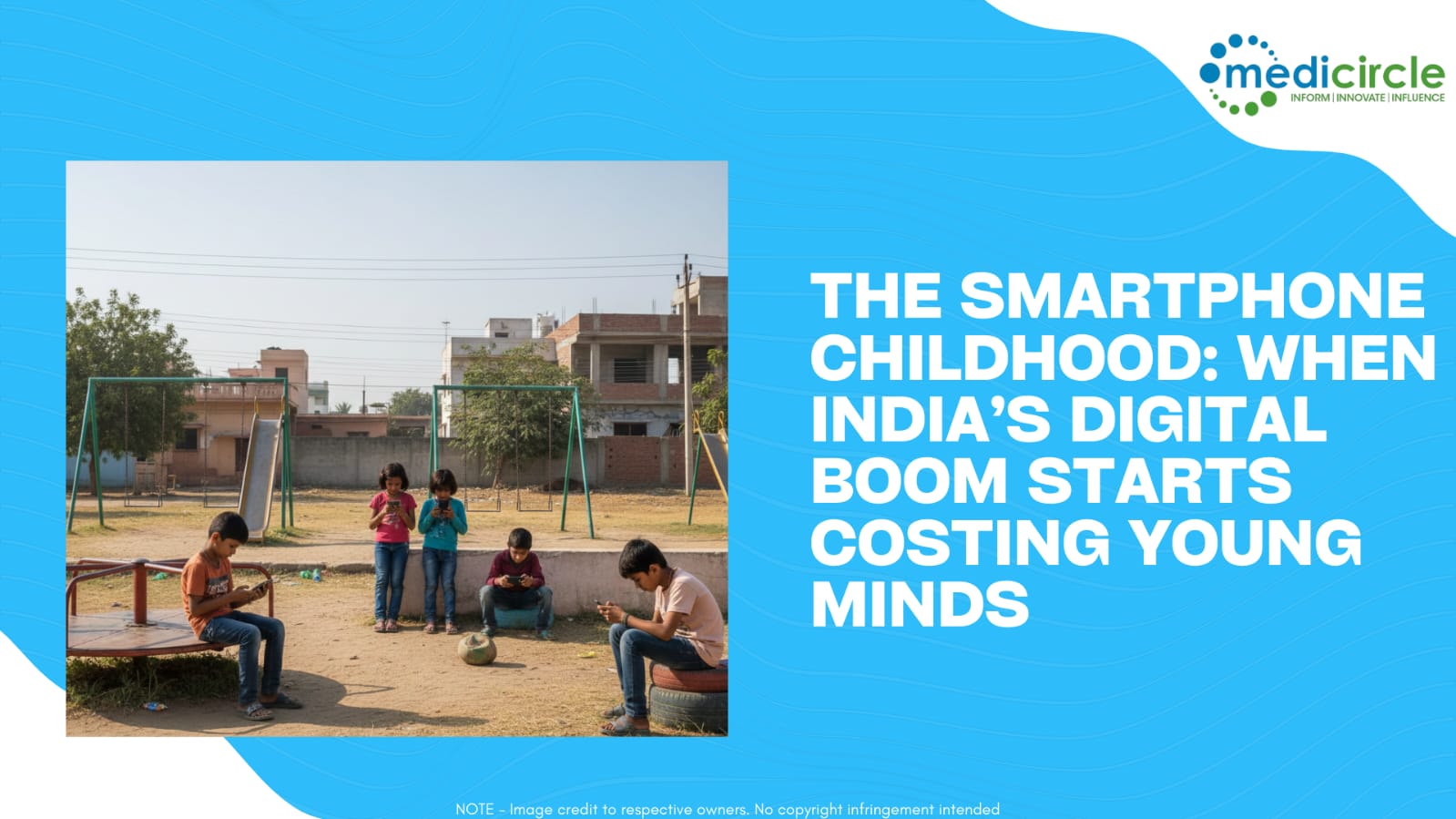
 Families, schools, platforms, and governments will need to share responsibility. If India succeeds, it can set a global example of how to harness digital power without sacrificing mental health




India’s digital story has often been told as a tale of access, empowerment, and speed. Cheap data, affordable smartphones, and an ecosystem of apps have pulled millions into the online world within a single decade. For a generation of children and adolescents, the internet is not an innovation they adopted; it is the environment they were born into. Yet the Economic Survey 2025–26 has delivered a counterpoint to this celebratory narrative. Behind the statistics of growth and connectivity, it flags a slower, deeper crisis unfolding across homes, classrooms, and clinics: the steady rise of digital addiction and screen-related mental health challenges among India’s young population.
The survey does not frame the issue as a moral panic or a technophobic backlash. Instead, it places digital overuse in the language policymakers understand best i.e. wellbeing, productivity, and long-term economic cost. It defines digital addiction as a pattern of persistent, excessive, and compulsive engagement with devices and online platforms that causes psychological distress and interferes with daily functioning. This is no longer an abstract idea borrowed from global debates. The survey makes it clear that India is already living with the consequences.
Doctors across specialties are beginning to recognise familiar patterns in unfamiliar patients. Children who struggle to sleep without a phone beside their pillow. Adolescents whose attention span collapses outside a screen. College students who report anxiety spikes linked to social media validation and online comparisons. Young professionals who feel constantly “on,” yet emotionally drained. The Economic Survey captures this lived reality in policy language, pointing to reduced concentration, disturbed sleep cycles, rising anxiety, academic decline, and workplace underperformance as visible outcomes of compulsive digital use.
What makes this moment particularly unsettling is that the problem has emerged just as digital access has become nearly universal for young Indians. Among those aged 15 to 29, mobile phones and internet connectivity are no longer privileges. They are defaults. The survey notes that access itself is no longer the binding constraint. This is a crucial shift. For years, India’s digital policy focus was about inclusion, bridging the digital divide, expanding broadband, and bringing services online. That phase has largely succeeded. The challenge now is behavioural, psychological, and social.
The numbers underline the scale of immersion. By 2024, nearly half of India’s internet users were consuming online video content. Social media platforms engaged more than four out of ten users. Music streaming, email, digital payments, food delivery, and OTT platforms together account for hundreds of millions of active users. In absolute terms, close to 40 crore Indians interact daily with video and delivery platforms, while around 35 crore are active on social media. For children and adolescents, this level of exposure shapes habits long before critical thinking and self-regulation fully develop.
The survey is particularly concerned about how this environment affects young minds already navigating academic pressure, competitive exams, social expectations, and identity formation. Compulsive screen use, it observes, is closely linked with anxiety, stress, depressive symptoms, and sleep disorders. Cyberbullying, online shaming, and the relentless performance culture of social media add layers of psychological strain that were largely absent from previous generations’ formative years.
The Economic Survey goes a step further by mapping these personal struggles to wider economic consequences. It notes that compulsive digital behaviour can lead to direct financial losses through impulsive online spending, gaming-related expenses, and vulnerability to cyber fraud. Indirectly, the costs are far greater. Reduced employability due to poor focus, lower productivity, diminished social skills, and declining lifetime earnings all translate into a quieter drag on economic growth. When a large segment of the future workforce struggles with attention, emotional regulation, and resilience, the impact is not confined to individual families; it shapes national outcomes.
One of the survey’s strongest warnings relates to social capital. Digital addiction, it argues, erodes offline relationships and community participation. As young people retreat into personalised digital worlds, opportunities for peer bonding, collective activities, and real-world problem-solving shrink. Over time, this weakens trust, cooperation, and civic engagement that underpin healthy societies and effective institutions.
Social media addiction receives particular attention in the report, and for good reason. Multiple Indian and global studies cited in the survey link excessive social media use with anxiety, depression, low self-esteem, and heightened suicide risk among young people aged 15 to 24. The constant exposure to curated lives, algorithm-driven comparisons, and validation metrics creates a psychological landscape where self-worth is measured in likes and views. For adolescents still forming their identity, this can be deeply destabilising.
Importantly, the survey does not deny the benefits of digital engagement. It acknowledges that online platforms have expanded access to education, information, employment opportunities, and civic participation. During crises such as the pandemic, digital tools were lifelines. The concern is not connectivity itself, but unregulated, immersive, and developmentally inappropriate exposure. The policy question is no longer whether children should be online, but how, when, and under what safeguards.
In response, the Economic Survey proposes a shift in policy thinking. It suggests that age-based access limits may need serious consideration, given the vulnerability of younger users to compulsive use and harmful content. This is a sensitive recommendation in a country that values openness and innovation, yet it reflects a growing international consensus that children require different digital rules than adults.
The report outlines a range of interventions that span families, schools, communities, platforms, and the state. Cyber-safety education is one such pillar. Teaching children how to navigate online spaces safely, critically, and responsibly is no longer optional. Digital literacy must include mental health awareness, helping students recognise signs of addiction, emotional manipulation, and online harm.
Peer-mentor programmes are another suggested approach, recognising that young people often listen to each other more than to authority figures. Structured peer support can create spaces where healthy digital habits are modelled and reinforced. Schools are urged to re-emphasise physical activity, making it a non-negotiable part of daily routines rather than an optional add-on. The link between movement, mental health, and learning outcomes is now too strong to ignore.
Parents, the survey notes, need support as much as children do. Many caregivers feel overwhelmed by technologies they did not grow up with. Training programmes on screen-time management, device use norms, and age-appropriate boundaries can empower families to set limits without conflict. Simple practices such as device-free hours, shared meals without screens, and collective offline activities are highlighted as protective habits that rebuild connection.
The role of digital platforms themselves is also scrutinised. Greater accountability for hosting harmful content, designing addictive features, and targeting young users is essential. While innovation thrives on engagement, the survey implies that engagement cannot come at the cost of public mental health. Regulatory frameworks may need to evolve to reflect this balance.
To illustrate what such policies might look like, the report draws on international examples. Australia has introduced some of the strictest measures globally, including bans on social media accounts for children below a certain age. South Korea experimented with its “Shutdown Law,” restricting minors’ access to gaming platforms at night, before shifting to parental control models. China enforces strict gaming limits using real-name registration and time caps, particularly for minors. Singapore has taken a softer but structured approach through community-led media literacy initiatives that promote cyber wellness and responsible digital citizenship.
In education systems worldwide, smartphone restrictions in classrooms are becoming increasingly common. Countries such as France, Spain, Finland, Japan, Brazil, and several US states have implemented bans or limits to reduce distraction and protect student wellbeing. Early evidence suggests improvements in attention, classroom engagement, and peer interaction.
For India, the Economic Survey suggests additional, context-specific strategies. Offline youth hubs could provide safe spaces for recreation, learning, and social interaction away from screens. The idea of voluntary “digital diets” encourages individuals and families to consciously regulate online consumption rather than abandoning technology altogether. Education-only digital devices for children could separate learning from entertainment, reducing distraction. Expanding access to the government’s Tele-MANAS mental health helpline is seen as a crucial step in addressing emerging psychological distress at scale.
What makes the survey’s warning particularly urgent is India’s demographic profile. With one of the world’s youngest populations, the country’s future depends heavily on the cognitive, emotional, and social health of its youth. A digitally skilled but mentally strained generation is not a dividend; it is a liability. The choices made today will shape whether technology becomes a tool for empowerment or a silent drain on human potential.
Paediatricians, psychiatrists, family physicians, and community health workers are increasingly encountering screen-related complaints that do not fit traditional diagnostic boxes. Sleep disorders, behavioural changes, attention problems, and mood disturbances often trace back to digital habits. Medical education and practice will need to adapt, integrating digital wellbeing into preventive care, counselling, and public health messaging.
The Economic Survey 2025–26 does not call for a rejection of the digital world. It calls for maturity in how society engages with it. Growth without guardrails carries hidden costs. As India accelerates toward a digital future, safeguarding young minds is no longer a soft concern. It is an economic, social, and healthcare imperative.
The real challenge lies in translating this recognition into action. Policies must be thoughtful rather than reactionary, inclusive rather than punitive. Families, schools, platforms, and governments will need to share responsibility. If India succeeds, it can set a global example of how to harness digital power without sacrificing mental health. If it fails, the consequences will scroll silently through clinics, classrooms, and workplaces for decades to come





-23-300x250.png)

.jpeg)








.jpg)
.jpg)
.jpg)
.jpg)
.jpg)
.jpg)
.jpg)
.jpg)
.jpg)

