 Thursday, October 08, 2026
 The road ahead calls for sustained awareness campaigns, improved infrastructure in government hospitals, equitable access to transplant services, and continued ethical vigilance




There are moments in medicine when statistics stop being numbers and begin to feel like stories. A heart that beats again in a different chest. A pair of lungs that allow someone to breathe without fear. A donated liver that gives a young mother more years with her children. In recent years, India has witnessed a profound shift in the landscape of organ donation and organ transplantation, a transformation that is reshaping the country’s healthcare system and redefining what is possible in advanced medical care. What once seemed like a distant dream is now becoming a measurable reality.
Over the past decade, the number of organ transplants performed in India has risen dramatically. From a modest few thousand procedures annually in the early 2010s, the country is now approaching the milestone of twenty thousand transplants a year. This four-fold increase reflects a cultural change in how society views organ donation, brain death awareness, and the ethics of life-saving treatment. For a country long challenged by limited organ availability and low deceased donor rates, this progress is nothing short of historic.
A major driver of this transformation has been the strengthening of national systems for organ allocation and transparency. The National Organ and Tissue Transplant Organization, widely known as NOTTO, has played a central role in streamlining organ sharing networks, maintaining waiting lists, and ensuring that the process remains ethical and accountable. Through improved digital registries and coordinated state-level networks, the allocation of organs has become faster and more structured, reducing delays that once cost lives.
One of the most significant shifts in India’s organ transplant ecosystem is the steady rise in deceased organ donation. Nearly one-fifth of transplants today are performed using organs retrieved from individuals who have been declared brain dead. This is a meaningful leap for a nation where living donation, especially among family members, historically dominated transplant statistics. The acceptance of brain death as a medical and legal reality is gradually deepening across urban and rural India. With greater public awareness, more families are making the courageous decision to donate organs during moments of personal tragedy.
In fact, thousands of families each year now consent to organ donation after the loss of a loved one. Each such decision has the potential to save or improve multiple lives. A single deceased donor can provide a heart, lungs, liver, kidneys, pancreas, and even tissues such as corneas and skin. The concept of multi-organ donation is gaining ground, ensuring that one act of generosity creates a ripple effect across several recipients. In intensive care units across the country, transplant coordinators work quietly with grieving families, offering information and support during some of the most difficult hours of their lives. It is in these conversations that the future of organ donation in India is being shaped.
Technology has also played an important role in accelerating organ donation registration. Since the introduction of Aadhaar-based verification for pledging organs and tissues after death, hundreds of thousands of citizens have formally registered their intent to donate. This digital approach strengthens identity verification and reduces paperwork, making it easier for individuals to record their wishes. It also helps transplant authorities maintain accurate data, an essential factor in building public trust. When people see that the system is transparent and accountable, they are more likely to participate.
India’s growing expertise in complex organ transplant surgery deserves recognition. The country now routinely performs advanced procedures such as heart transplant surgery, lung transplantation, pancreas transplantation, and combined organ transplants. Outcomes in many leading transplant centres are comparable to international benchmarks. Indian transplant surgeons and medical teams have developed deep expertise, often delivering high-quality results at a fraction of the cost seen in Western countries. This affordability makes India an important hub for advanced healthcare and medical value travel.
An especially striking achievement is India’s leadership in hand transplantation. The country performs a greater number of hand transplants than many other nations, demonstrating surgical skill, coordinated rehabilitation services, and ethical oversight. Hand transplant surgery requires meticulous microsurgical techniques and long-term immunosuppressive therapy. Its success highlights the maturity of India’s transplant infrastructure and the dedication of multidisciplinary teams that include surgeons, immunologists, physiotherapists, and mental health professionals.
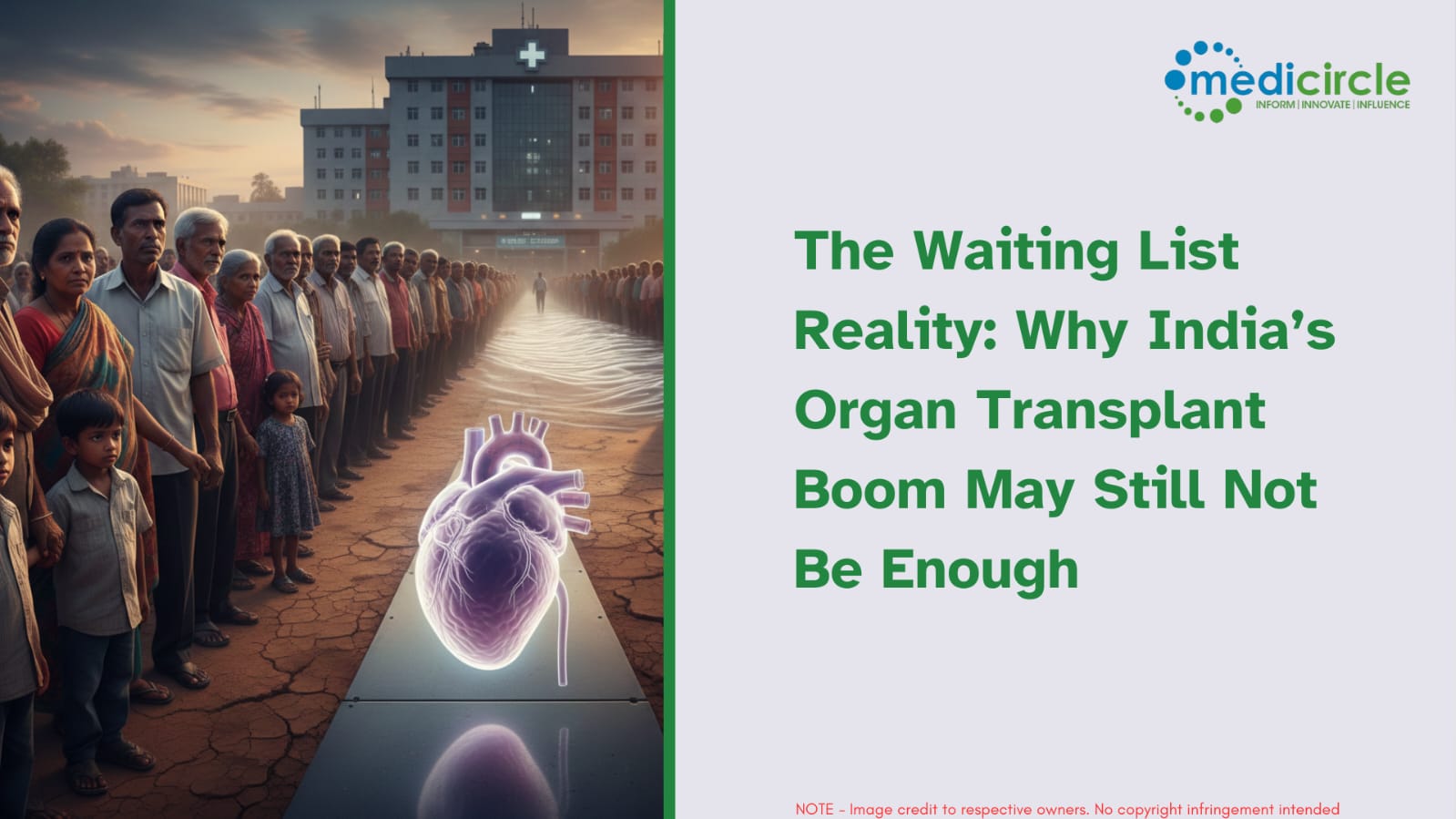
Despite these achievements, the journey is far from complete. India continues to face a significant gap between the number of patients waiting for organ transplantation and the number of organs available. Chronic kidney disease, end-stage liver disease, advanced heart failure, and lung disorders are on the rise due to lifestyle diseases, diabetes, hypertension, and viral infections. The demand for kidney transplant, liver transplant, and heart transplant procedures continues to grow each year. Waiting lists remain long, and many patients deteriorate while hoping for a suitable donor match.
The rise in deceased organ donation to nearly eighteen percent of total transplants is encouraging, but there is still room for expansion. Many potential donors are lost due to lack of timely identification of brain death, inadequate counselling, or logistical challenges in organ retrieval. Strengthening intensive care protocols and improving training for hospital staff can increase the number of viable donors. Public health campaigns that clarify misconceptions about organ donation can also play a decisive role. Myths about body disfigurement, religious prohibitions, or misuse of organs still circulate in some communities, discouraging participation.
Policy support from the government has created a strong foundation for progress. Legal frameworks governing organ transplantation in India emphasise transparency, consent, and prohibition of organ trade. Strict regulations help prevent exploitation and protect vulnerable populations. At the same time, ongoing reforms aim to simplify procedures and reduce administrative barriers. When policies translate into measurable, life-saving outcomes, public confidence strengthens.
The financial dimension of organ transplant in India cannot be ignored. Although the cost of transplantation in India is lower than in many developed countries, it remains substantial for the average family. Post-transplant care requires lifelong medication, particularly immunosuppressive drugs to prevent organ rejection. Access to affordable medicines, follow-up consultations, and diagnostic tests determines long-term success. Expanding insurance coverage and public funding for transplant patients will be essential in making organ transplant accessible to all socio-economic groups.
Beyond surgery and policy, organ donation in India represents a deeper ethical and emotional transformation. In a society that values family bonds and ritual traditions, consenting to donate organs after death demands immense courage. Families who choose donation often describe it as a way of finding meaning amid loss. The knowledge that their loved one has given others a second chance at life offers comfort. These stories rarely make headlines, yet they are the true backbone of India’s transplant revolution.
Hospitals across metropolitan cities such as Delhi, Mumbai, Chennai, and Hyderabad have developed robust organ transplant programmes. Smaller cities are gradually building capacity as well. The decentralisation of transplant services ensures that patients do not need to travel across the country for treatment. State-level organ transplant registries are aligning with national networks, enabling more efficient organ sharing across regions. This collaborative approach reduces wastage and shortens waiting times.
Education remains a powerful tool in shaping the future of organ donation awareness. Medical colleges are incorporating brain death protocols and transplant ethics into their curriculum. Community outreach programmes in schools, colleges, and corporate offices encourage young adults to pledge their organs. Social media campaigns highlight real-life transplant success stories, turning abstract statistics into human narratives. When individuals understand how organ donation can save lives, the decision to register becomes less daunting.
India’s vision of self-reliance in healthcare is closely linked to its progress in organ transplantation. In earlier years, some patients sought transplants abroad due to limited domestic capacity. Today, with skilled transplant surgeons, advanced operation theatres, and modern immunology laboratories, India is increasingly capable of meeting its own needs. This shift reduces dependence on overseas medical systems and ensures that patients receive care within a regulated, ethical environment.
Ethics and transparency remain central to sustaining growth in organ transplant services. Public trust can be fragile. Any perception of inequity or misuse could erode years of progress. Robust monitoring systems, independent audits, and clear communication about allocation criteria help maintain integrity. When citizens believe that organs are distributed fairly based on medical urgency and compatibility, they are more willing to participate in the system.
Looking ahead, innovation will likely shape the next phase of India’s organ transplant journey. Advances in organ preservation techniques, machine perfusion systems, and improved matching algorithms can increase the success rate of transplants. Research into tolerance-inducing therapies may reduce the need for long-term immunosuppression. Artificial organs and regenerative medicine hold promise, though they remain in early stages. For now, the most powerful solution continues to be human generosity.
The expansion of organ donation registration through digital platforms marks an important milestone. When individuals record their consent while alive, it eases the burden on families during critical moments. Clear documentation of intent supports transplant coordinators in initiating timely procedures. In a country with vast population diversity, technology bridges geographical and administrative gaps, making the organ donation system more responsive.
The story of organ transplantation in India is about collective effort. It involves policymakers drafting regulations, surgeons mastering complex procedures, nurses providing meticulous post-operative care, transplant coordinators counselling families, and citizens choosing to pledge their organs. Each stakeholder contributes to a chain of survival that begins with tragedy and ends with hope.
The road ahead calls for sustained awareness campaigns, improved infrastructure in government hospitals, equitable access to transplant services, and continued ethical vigilance. Chronic diseases will continue to rise unless preventive healthcare measures are strengthened. Organ transplant should remain a life-saving option, not the only solution to unmanaged illness. Early diagnosis of kidney disease, liver disease, and heart conditions can reduce the need for transplantation in the first place.
Yet for those who do reach end-stage organ failure, the growing strength of India’s transplant ecosystem offers a lifeline. The four-fold rise in transplant numbers over little more than a decade reflects determination and collaboration. The increasing share of deceased donor transplants signals a cultural shift towards altruism. The registration of hundreds of thousands of potential donors through verified systems demonstrates public engagement.
India’s organ transplant revolution is still unfolding. The numbers tell a story of rapid growth, yet the deeper narrative is about trust, courage, and a collective belief that life can continue through another. As awareness of organ donation spreads and healthcare systems grow stronger, the country moves closer to bridging the gap between those who wait and those who can give. In that space between grief and gift lies the promise of a healthier, more humane future for India’s healthcare system.






.jpeg)










.jpg)
.jpg)
.jpg)
.jpg)
.jpg)
.jpg)


.jpg)