Tuesday, October 27, 2026
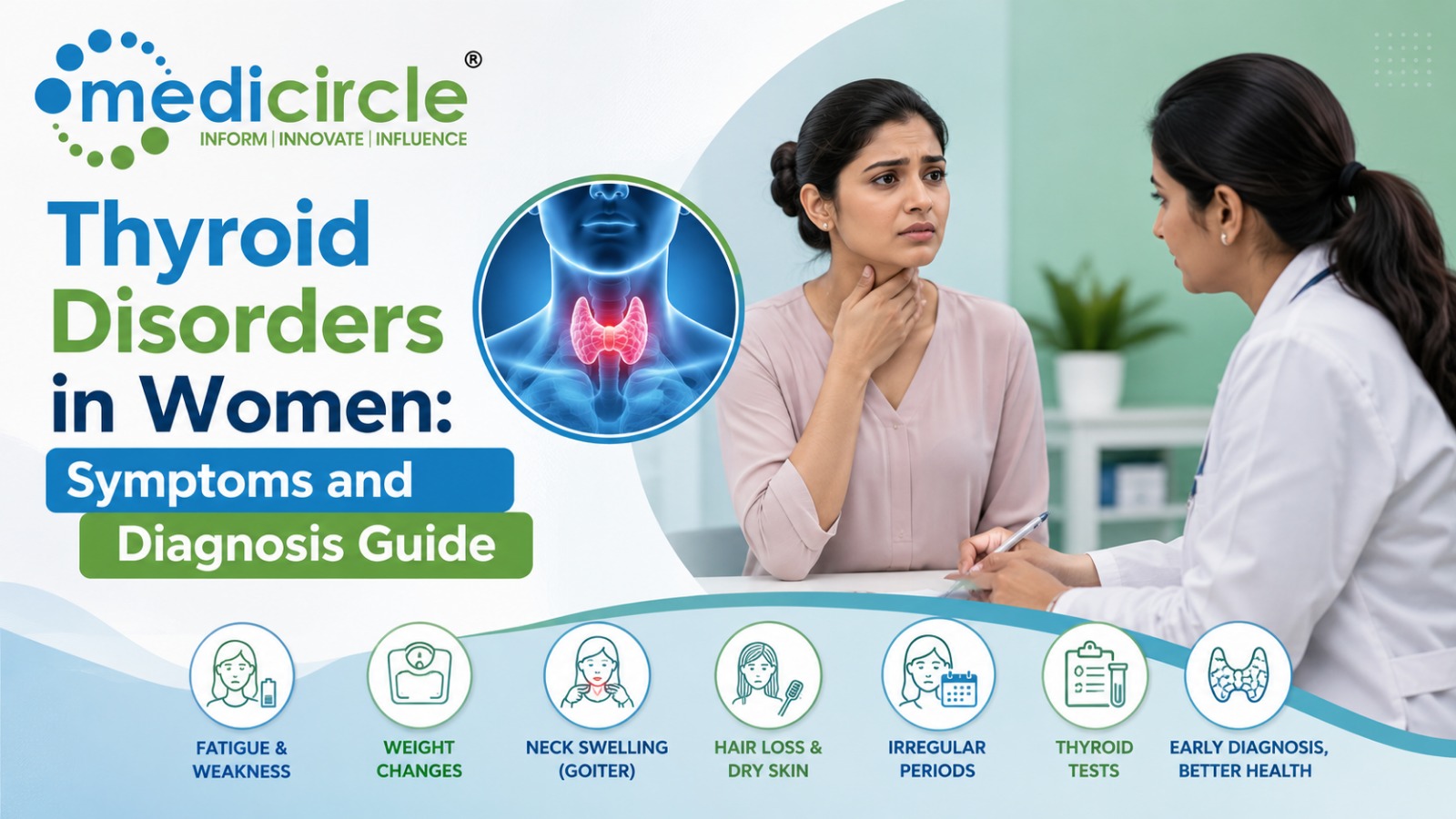
 Understanding thyroid disorders in women requires deeper awareness of hormonal patterns, emotional health, sleep changes, and early thyroid dysfunction symptoms. Recognizing links between TSH imbalance, autoimmune thyroid conditions, metabolism, and mental well-being helps improve awareness, diagnosis, and long-term thyroid health understanding.




Thyroid-related problems often begin quietly. What starts as fatigue, mood changes, irregular sleep, or unexplained weight fluctuations is frequently dismissed as stress or lifestyle imbalance. In reality, many women experiencing these symptoms may be dealing with an underlying thyroid condition that develops gradually over time. Understanding thyroid disorders early matters because the body’s hormonal system is deeply interconnected. Even small changes in thyroid activity can influence energy, emotional health, metabolism, concentration, and long-term well-being.
Women are more likely than men to experience thyroid dysfunction, especially during hormonal transitions such as puberty, pregnancy, postpartum recovery, and menopause. This makes early awareness and proper diagnosis increasingly important.
Why Thyroid Disorders Often Go Unnoticed in Women
One of the biggest challenges with thyroid disorders is that symptoms rarely appear in a dramatic or obvious way at first. Many women continue functioning normally while experiencing subtle changes that slowly affect daily life. A person may feel mentally exhausted despite sleeping enough, emotionally overwhelmed without a clear reason, or physically drained even after mild activity.
This happens because the thyroid gland influences multiple systems simultaneously. It regulates metabolism, body temperature, hormonal balance, digestion, heart rhythm, and energy production. When thyroid hormone levels shift, the effects spread across the body instead of appearing in one isolated area.
This is also why thyroid disorders are frequently mistaken for stress, burnout, anxiety, depression, or lifestyle fatigue. In professional environments, especially among entrepreneurs, students, and working women managing multiple responsibilities, thyroid-related symptoms are often normalized instead of investigated.
Another reason diagnosis becomes delayed is symptom variation. Some women experience rapid heartbeat and anxiety linked to hyperthyroidism and tsh imbalance, while others develop fatigue, slow thinking, dry skin, or emotional numbness associated with hypothyroid patterns. Even within the same condition, symptoms may differ significantly from person to person.
This variation makes thyroid disorders complex in real-world scenarios. Two women may have similar lab values but completely different daily experiences.
Understanding TSH and Why It Matters in Diagnosis
TSH, or thyroid-stimulating hormone, plays a central role in identifying thyroid dysfunction. However, understanding thyroid disorders requires looking beyond numbers alone.
The body uses TSH as a communication signal between the brain and thyroid gland. When thyroid hormone production drops, TSH levels often rise because the body is trying to stimulate more hormone production. When thyroid hormones become excessive, TSH may decrease.
This relationship becomes confusing for many people because symptoms and lab values do not always align perfectly. Someone with borderline high tsh may still feel physically and emotionally affected even if results technically fall near the “normal” range.
Similarly, borderline tsh patterns are often overlooked during routine testing because the changes appear mild. Yet in practice, these mild shifts can still influence sleep quality, emotional stability, concentration, and metabolism.
This is particularly important in women because hormonal fluctuations influence thyroid sensitivity. Menstrual cycles, stress, nutritional deficiencies, pregnancy-related hormonal shifts, and autoimmune responses can all affect how thyroid dysfunction presents itself.
Another overlooked aspect involves timing. A single thyroid test may not always capture ongoing fluctuations. Some individuals experience symptoms long before major laboratory abnormalities appear. This creates frustration for people who feel unwell despite “acceptable” reports.
Understanding the meaning of subclinical hypothyroidism becomes important here. Subclinical hypothyroidism refers to situations where TSH levels appear elevated while thyroid hormone levels remain within range. Symptoms may still exist, even though the condition appears mild on paper.
How Thyroid Disorders Affect Emotional and Mental Health
Thyroid disorders are commonly associated with weight and metabolism, but emotional health is equally affected. Many women first notice thyroid dysfunction through mood changes rather than physical symptoms.
The connection between depression tsh patterns and thyroid imbalance is now widely recognized. Low thyroid function may contribute to emotional flatness, reduced motivation, difficulty concentrating, and persistent mental fatigue.
In real-life situations, this becomes complicated because emotional symptoms are frequently interpreted as stress or burnout. A woman balancing work, caregiving responsibilities, and personal obligations may assume exhaustion is simply part of adult life. Meanwhile, the thyroid imbalance continues progressing underneath.
The relationship between high tsh and depression is particularly important because the emotional effects are often gradual. Instead of intense sadness, many individuals describe feeling emotionally disconnected, mentally slowed down, or unable to recover energy despite rest.
Sleep disruption also plays a major role. The connection between high tsh and sleep problems is increasingly discussed because thyroid dysfunction can interfere with both sleep quality and recovery cycles. Some individuals sleep excessively yet wake up exhausted. Others experience fragmented sleep patterns that slowly affect mood and productivity.
These emotional effects are not imaginary or exaggerated. Hormones directly influence neurotransmitters, nervous system regulation, and energy production within the brain. This explains why thyroid disorders often affect both physical and emotional functioning simultaneously.
Why Autoimmune Thyroid Conditions Create Diagnostic Confusion
Autoimmune thyroid disorders create another layer of complexity because symptoms may appear before standard thyroid markers become clearly abnormal.
One common example involves hashimotos with normal tsh. In these situations, individuals may experience fatigue, brain fog, hair changes, digestive shifts, or emotional symptoms while standard TSH readings still appear acceptable.
This happens because autoimmune activity may begin affecting thyroid tissue gradually over time. The body may compensate temporarily before major hormonal changes appear in bloodwork.
In practical scenarios, this often leads people to feel dismissed or misunderstood. They know something feels different physically or mentally, yet standard screening may not immediately provide clear answers.
Environmental factors may also contribute to autoimmune thyroid patterns. Chronic stress, poor sleep quality, nutritional imbalance, inflammatory dietary habits, and prolonged emotional strain can influence immune system behavior. Modern lifestyles built around high stimulation and constant productivity sometimes worsen these patterns indirectly.
This is why thyroid disorders should not be viewed only through isolated laboratory numbers. Diagnosis becomes more meaningful when symptoms, lifestyle patterns, hormonal stages, and long-term health changes are considered together.
The Difference Between Hyperthyroidism and Hypothyroid Patterns
Although thyroid disorders are often grouped together, hyperthyroid and hypothyroid conditions create very different experiences.
Hyperthyroidism usually involves excessive thyroid hormone activity. This can increase nervous system stimulation and speed up metabolic processes. Symptoms may include rapid heartbeat, heat sensitivity, anxiety, irritability, and unexplained weight loss.
The relationship between high tsh hyperthyroidism sometimes creates confusion because many people assume TSH always decreases in hyperthyroidism. In reality, thyroid regulation can become more complicated depending on disease stage, treatment patterns, or mixed hormonal activity.
Similarly, understanding high tsh in hyperthyroidism requires recognizing that thyroid disorders do not always follow textbook patterns perfectly. Hormonal feedback systems may fluctuate temporarily, especially during treatment or transitional stages.
Hypothyroid patterns, by contrast, usually involve slowed metabolism and reduced energy production. Symptoms may include fatigue, cold sensitivity, slower thinking, digestive sluggishness, and emotional heaviness.
These differences matter because treatment approaches, symptom patterns, and daily experiences vary significantly between individuals.
Signs Women Often Ignore During Early Thyroid Dysfunction- Persistent fatigue that feels different from normal tiredness
Many women continue pushing through exhaustion because responsibilities make rest difficult. However, thyroid-related fatigue often feels unusually deep and difficult to recover from, even after proper sleep or time off. - Mood changes that slowly become part of daily life
Emotional symptoms rarely appear suddenly. Instead, women may gradually notice irritability, emotional flatness, low motivation, or difficulty concentrating. These changes are commonly misattributed to stress or workload. - Changes in sleep patterns and recovery quality
Thyroid dysfunction may affect both energy levels and sleep recovery. Some people experience insomnia, while others sleep excessively without feeling rested. This connection between hormones and nervous system regulation is often overlooked.
How Lifestyle and Environment Influence Thyroid Health
Thyroid disorders are not caused solely by one factor. Genetics, immune responses, stress levels, environmental exposure, nutrition, and hormonal transitions all interact together.
Modern lifestyles can unintentionally worsen thyroid stress. Constant digital stimulation, irregular eating patterns, sleep disruption, and prolonged emotional strain influence hormonal regulation over time.
Women in high-pressure environments often delay recognizing symptoms because functioning becomes prioritized over recovery. Students preparing for exams, professionals managing demanding schedules, and entrepreneurs balancing multiple responsibilities may normalize exhaustion for years before seeking evaluation.
Nutrition also plays a supporting role. The thyroid depends on several nutrients for hormone production and conversion. Poor dietary patterns or highly restrictive eating habits may affect thyroid balance indirectly.
Lifestyle Patterns That Commonly Affect Thyroid Function- Chronic stress without adequate recovery time
Long-term stress influences hormonal communication throughout the body. Over time, this may contribute to fatigue, sleep disruption, and increased inflammatory responses that affect thyroid regulation. - Irregular sleep and overstimulation
Poor sleep quality affects hormonal repair cycles. Continuous exposure to screens, irregular schedules, and mental overload may gradually worsen energy regulation and recovery capacity. - Highly restrictive or imbalanced eating habits
Extreme dieting patterns sometimes affect metabolism and hormonal balance. Sustainable nutrition and consistent energy intake are generally more supportive for long-term thyroid stability.
Why Early Understanding and Diagnosis Matter
Early awareness matters because thyroid disorders often progress slowly. Identifying patterns early allows individuals to understand how symptoms connect instead of treating each issue separately.
Many women spend years addressing fatigue, anxiety, poor sleep, or mood symptoms individually without realizing the thyroid may influence all of them simultaneously.
Diagnosis is not only about finding abnormal numbers. It is about recognizing broader health patterns, understanding hormonal relationships, and identifying changes before they deeply affect quality of life.
The goal is not fear or over-monitoring. Instead, it is awareness. Understanding how thyroid disorders behave helps people make informed decisions, notice patterns earlier, and approach symptoms with greater clarity.
Conclusion
Thyroid disorders in women often develop gradually, affecting energy, mood, metabolism, sleep, and emotional well-being long before diagnosis occurs. Understanding patterns such as hyperthyroidism and tsh, the meaning of subclinical hypothyroidism, and emotional links like high tsh and depression helps create clearer awareness around early symptoms and diagnosis.
The thyroid influences far more than metabolism alone. Recognizing subtle changes, understanding hormonal patterns, and paying attention to long-term shifts in physical and emotional health can make thyroid disorders easier to identify and manage thoughtfully.
Frequently Asked Questions (FAQs)
1. What are the early signs of thyroid disorders in women?Early thyroid symptoms often appear gradually and may include fatigue, mood changes, irregular sleep, dry skin, and difficulty concentrating. Many women initially mistake these changes for stress or burnout. Understanding these patterns early helps identify possible tsh disorder issues and broader hormonal imbalance effects before symptoms become more noticeable.
2. Can thyroid problems affect mental health and emotions?Yes, thyroid imbalance can influence emotional well-being because thyroid hormones affect brain function and energy regulation. Conditions linked to high tsh and depression may cause low motivation, emotional numbness, or persistent fatigue. This connection between thyroid health and mental wellness patterns is often overlooked in everyday life.
3. What does borderline high tsh actually mean?Borderline high tsh usually refers to TSH levels that are slightly elevated but not extremely abnormal. Even mild shifts may affect energy, sleep, and concentration in some individuals. Understanding these early thyroid regulation changes helps identify symptoms before they become more severe.
4. Why do some women have thyroid symptoms with normal test results?This can happen in conditions like hashimotos with normal tsh, where autoimmune activity affects the thyroid before major hormone changes appear in bloodwork. In real-life scenarios, women may still experience fatigue or mood changes despite “normal” reports. This reflects how autoimmune thyroid patterns sometimes develop gradually.
5. How are sleep problems connected to thyroid disorders?The relationship between high tsh and sleep problems is linked to how thyroid hormones influence metabolism and nervous system activity. Some women experience insomnia, while others sleep longer without feeling rested. These hormonal recovery disruptions often affect mood, focus, and daily productivity over time.
6. What is the meaning of subclinical hypothyroidism?The meaning of subclinical hypothyroidism refers to a condition where TSH levels appear elevated while thyroid hormone levels remain within range. Even though symptoms may seem mild on paper, some individuals still experience fatigue or mental fog. This reflects the subtle nature of early thyroid dysfunction.
7. Can hyperthyroidism and tsh levels change at the same time?Yes, the relationship between hyperthyroidism and tsh can become complex depending on treatment stage, hormonal fluctuations, or autoimmune activity. Thyroid conditions do not always follow predictable patterns, which is why understanding broader thyroid hormone behavior becomes important during diagnosis.
8. Why are thyroid disorders more common in women?Women experience more hormonal fluctuations throughout life, including puberty, pregnancy, postpartum recovery, and menopause. These transitions influence thyroid sensitivity and immune system activity. This explains why tsh disorder patterns and hormonal health changes are more frequently observed in women.
9. Can stress worsen thyroid-related symptoms?Long-term stress may influence hormonal balance, sleep quality, and immune function, all of which affect thyroid health indirectly. Many women with thyroid imbalance notice symptoms worsening during periods of emotional or professional pressure. This connection between stress and metabolic regulation patterns is increasingly recognized.
10. How do thyroid disorders affect everyday life over time?Untreated thyroid imbalance can gradually affect energy levels, emotional stability, concentration, digestion, and sleep quality. Women often adapt to symptoms slowly without realizing how much daily functioning has changed. Understanding these long-term thyroid health effects helps support earlier awareness and better lifestyle management.





-23-300x250.png)

.jpeg)






.jpg)
.jpg)
.jpg)
.jpg)
.jpg)
.jpg)
.jpg)
.jpg)
.jpg)