Typhoid’s New Warning: When Our Trusted Antibiotics Begin to Fail

▴ Typhoid’s New Warning
The responsibility lies with all of us to use antibiotics wisely, to demand proper diagnosis, to regulate agricultural practices, and to understand that every prescription carries consequences beyond a single patient.

Hello! If you're looking for high-quality genericmedications, fast delivery and excellent customer service, ourstore is the right choice for you. With over 20 years of onlineexperience, we guarantee safe, effective products that are alwaysin stock. Delivery within 48 hours, free shipping from $200, and 100% money-back guarantee if your order doesn't arrive on time.

👉 Order now at BestCheapPills and discover exclusive discounts for registeredcustomers!
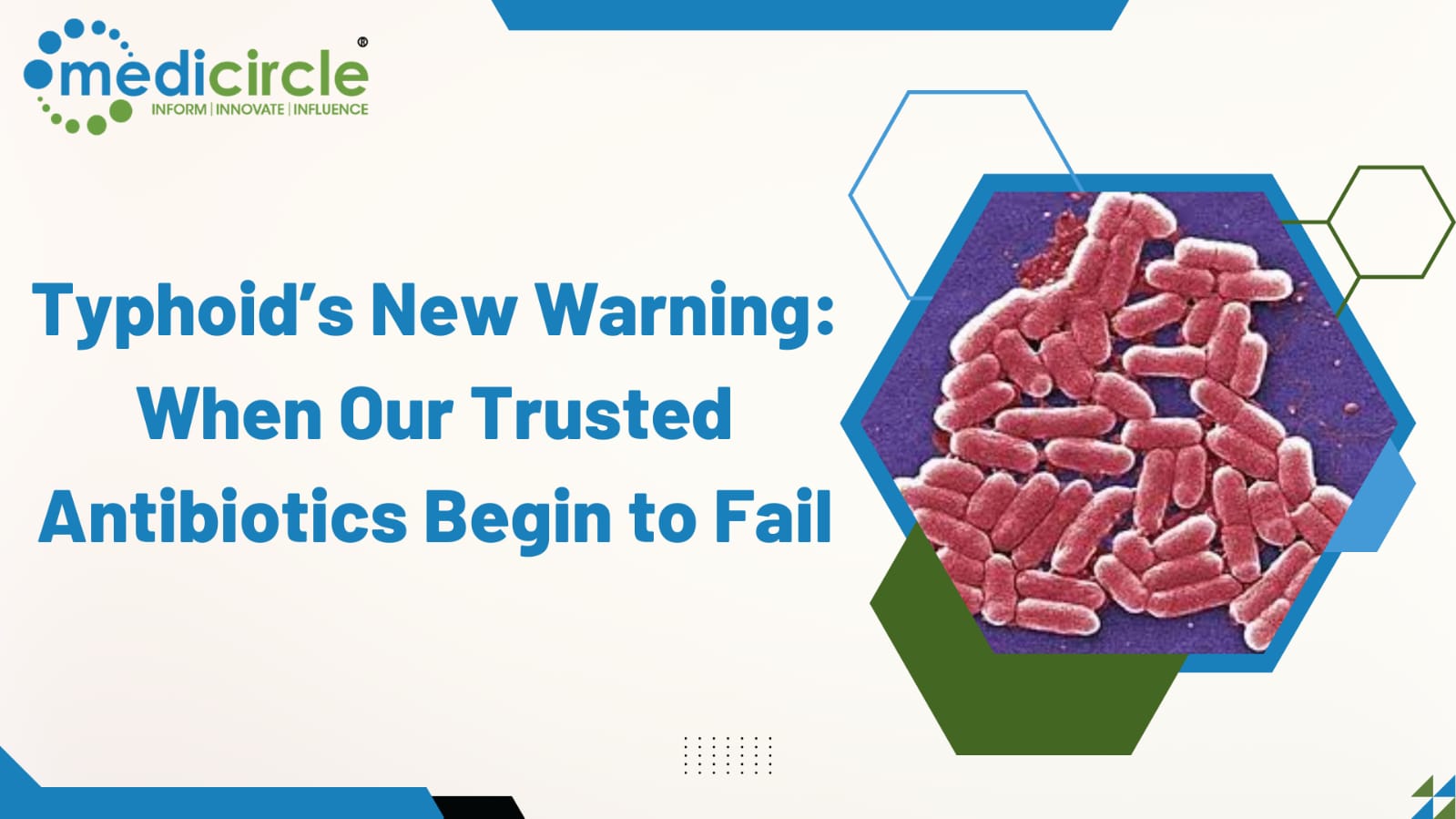
For generations, typhoid has been a familiar enemy in India, a disease that many families have known too closely, especially in urban and rural regions where sanitation and clean water remain fragile promises. It has never been an infection to take lightly, but there was always a measure of reassurance in knowing that with timely medical care and the right antibiotics, recovery was within reach. That confidence, however, is now beginning to crack. In Pune, doctors have confirmed what many infectious disease specialists have long feared i.e. the rise of antibiotic resistance in typhoid bacteria, with strains of Salmonella Typhi showing defiance against ceftriaxone, one of the most widely relied upon drugs in the treatment arsenal. The implications of this shift could be serious, not just for Maharashtra, but for India and beyond.

When the culture reports of two patients this year revealed ceftriaxone resistance, the findings unsettled the medical community. Ceftriaxone has been the backbone of typhoid management in India for years, particularly after other antibiotics like ciprofloxacin began losing their effectiveness. To see the bacteria refusing to respond to ceftriaxone is like watching the fortress walls crumble from within. Fortunately, in these cases, azithromycin was still effective, allowing doctors to successfully treat the patients. Yet this silver lining cannot hide the storm clouds gathering above. Resistance, once it takes root, rarely remains isolated. Bacteria, by their very nature, possess an uncanny ability to share resistance genes, spreading defiance rapidly across communities, hospitals, and even countries. What begins with two cases today could become twenty tomorrow, and in time, hundreds.

Typhoid, caused by Salmonella Typhi, has always had a complicated history with antibiotics. In earlier decades, drugs like chloramphenicol and co-trimoxazole were highly effective until resistance grew, rendering them unreliable. Ciprofloxacin then stepped in as the savior during the 1990s, only to lose its potency as resistance climbed relentlessly in the following decades. The reliance then shifted heavily towards ceftriaxone, a third-generation cephalosporin, offering doctors a dependable option for hospital-based treatment. Now, with resistance emerging against ceftriaxone as well, the medical fraternity is being forced to confront an unsettling possibility: are we nearing the end of effective weapons against typhoid?

The situation in India has parallels to what has already unfolded in Pakistan. There, extensively drug-resistant typhoid, resistant to multiple lines of therapy, has spread across provinces, even leading to cases exported abroad by travelers. When bacteria learn to withstand our strongest treatments, options dwindle alarmingly fast. Doctors are left juggling with fewer choices, turning to azithromycin or even revisiting drugs once abandoned, like chloramphenicol, which are showing renewed sensitivity after years of dormancy. This rotation of effectiveness is not a triumph of medical science but rather a reflection of how resistance forces us into a dangerous cycle, chasing after past remedies while the bacteria stay several steps ahead.

One of the central culprits fueling this crisis is the irrational and rampant use of antibiotics. In clinics, antibiotics are often prescribed at the first sign of fever, without waiting for diagnostic confirmation. Blood cultures, which remain the gold standard for identifying typhoid and testing sensitivity, are skipped in favor of quick fixes. In rural and semi-urban settings, pharmacies dispense antibiotics over the counter without prescriptions, further compounding the problem. Each unnecessary dose adds pressure on bacteria to adapt, pushing them toward resistance. Ceftriaxone, in particular, has been used generously in hospital wards, intensive care units, and outpatient care, often without justification. When such a critical drug is overused, it was only a matter of time before the bacteria began to push back.

The story does not end within hospitals. Antibiotic resistance has deep roots in agriculture as well. Poultry and livestock across India are frequently given antibiotics in their feed to promote growth and prevent disease. In this environment, bacteria like Salmonella thrive and evolve, often already resistant before they make their way into humans. This silent transfer from farm to table, from animal to human, makes the resistance problem not just a medical issue but a societal one, woven into food, environment, and public health. What emerges in hospitals may well have begun in fields and farms, where regulatory oversight is minimal and practices go unchecked.

What makes this new resistance in Pune particularly concerning is the timing. Public health specialists have been warning about the global threat of antimicrobial resistance for years, branding it one of the most urgent challenges of this century. Typhoid resistance adds yet another layer to this growing emergency. The infection, spread through contaminated food and water, thrives in environments where sanitation is poor which is a reality for millions in India. This means that once resistant strains establish themselves, they can spread quickly through communities, especially during monsoons when water contamination peaks. Unlike more isolated infections, typhoid has the perfect recipe for rapid, widespread transmission, making the rise of resistant strains even more dangerous.

The human cost of this cannot be overstated. Typhoid is not just another fever, it is a debilitating illness that drains strength, causes prolonged suffering, and in severe cases, leads to intestinal perforations, internal bleeding, or even death. Families already struggling with limited access to healthcare may find themselves facing infections that no longer respond to standard drugs, leaving them with more expensive, harder-to-access treatments. In low and middle-income countries, where healthcare infrastructure is already stretched thin, this could translate into lives lost simply because the medicines that once worked no longer do.

Yet amid this looming threat, there are glimmers of hope if action is taken decisively. Doctors emphasize the need to preserve azithromycin, which remains effective for now, by restricting its indiscriminate use for routine respiratory infections. Azithromycin has become a lifeline in treating resistant typhoid cases, and squandering its effectiveness on common colds or mild infections would be reckless. Similarly, revisiting older antibiotics like co-trimoxazole and chloramphenicol should be approached cautiously, guided strictly by culture sensitivity reports rather than broad prescriptions. The temptation to fall back on these older drugs must be balanced with the awareness that resistance can re-emerge quickly if they are misused.

The most critical weapon in this fight is diagnostic vigilance. Every suspected typhoid case must ideally undergo blood culture testing before antibiotics are prescribed. This not only ensures accurate treatment but also helps build valuable data on resistance patterns across the country. Without this data, India risks flying blind, unaware of how widespread resistance is becoming until it explodes into uncontrollable outbreaks. Laboratories must be strengthened, healthcare providers trained, and policies enforced to make culture-based diagnosis the standard rather than the exception.

At a broader level, India must take antibiotic stewardship seriously. Hospitals need stricter protocols, ensuring that higher antibiotics are used only when absolutely necessary, and always based on sensitivity reports. Regulatory authorities must clamp down on the unregulated sale of antibiotics in pharmacies. Farmers must be educated and restricted from using antibiotics indiscriminately in poultry and livestock. And most importantly, the public must be made aware that antibiotics are not cure-all pills for every fever or cough. Each unnecessary use chips away at their effectiveness, and the cost of misuse will eventually be borne by society as a whole.

The emergence of ceftriaxone-resistant typhoid in Pune is an early warning siren. It tells us that the bacteria are adapting faster than we are regulating. It tells us that complacency will only accelerate the problem. And it tells us that unless action is swift and coordinated, India may soon face outbreaks that are far harder to control, with limited treatment options left on the table. Typhoid, once considered a manageable infection, could evolve into a more formidable foe, joining the ranks of extensively drug-resistant diseases that keep public health officials awake at night.

This is not just a medical issue but a societal challenge that requires every stakeholder to act, from doctors and hospitals to policymakers, farmers, and families. Awareness, restraint, and responsibility are the keys to slowing resistance. If India fails to listen to these early warning signs, the price could be catastrophic. The story of two resistant cases in Pune must not be dismissed as an isolated incident; it must be seen as the start of a trend that has already swept through neighboring countries. The question now is whether India can act quickly enough to prevent history from repeating itself on a larger, deadlier scale.

Typhoid has been a shadow companion to India for centuries, but never before has it threatened to outpace our ability to fight it. The walls of defense are thinning, and unless guarded carefully, they may collapse entirely. The responsibility lies with all of us to use antibiotics wisely, to demand proper diagnosis, to regulate agricultural practices, and to understand that every prescription carries consequences beyond a single patient. This is the crossroads we stand at today, and the choices we make will determine whether future generations inherit antibiotics that still work, or whether they will be forced to face infections with empty hands.

Tags : #Typhoid #Superbugs #AntibioticResistance #AMR #ResistantBacteria #HealthcareCrisis #PublicHealth #DoctorsSpeak #HospitalCare #SaveAntibiotics #MedicalAlert #PuneHealth #IndiaHealth #GlobalHealthThreat #InfectiousDiseases #HealthSecurity #PublicHealthIndia #smitakumar #medicircle

Related Stories

Loading Please wait...

-Advertisements-


Trending Now

Cholesterol Explained: Good vs Bad Cholesterol and What It Means for Your HeartJuly 11, 2026
Role of Technology in Hospitals: How Indian Healthcare is Being ReshapedJuly 11, 2026
175 years after ancestors left UP, Indo-Trinidadian infant receives rare liver transplant at Apollo DelhiJuly 10, 2026
Fortis Escorts Faridabad Strengthens Advanced Care Ecosystem with Launch of: Fortis Cancer Institute Institute of Neurosciences Centre of Excellence in Critical Care and ECMOJuly 10, 2026
India’s first focused health AI Conclave unites doctors and AI expertsJuly 10, 2026
University of Leeds Opens Applications for MSc Biotechnology with Business Enterprise for Indian StudentsJuly 10, 2026
How Doctors Are Changing the Face of Indian HealthcareJuly 10, 2026
Medical Innovations to Watch in 2026: How Technology Is Reshaping Healthcare in IndiaJuly 10, 2026
Government of India Notifies Polymatech Electronics’ Semiconductor and Electronic Components SEZ at Nava Raipur, ChhattisgarhJuly 09, 2026
Iswarya Fertility Center Raises Over INR 350 Crore from OrbiMed AsiaJuly 09, 2026
Happiest Health Announces Launch of Speciality Clinics Happiest Paediatrics, Happiest Orthopaedics, Happiest Gynaecology, Happiest Endocrinology & Your Personal PhysicianJuly 09, 2026
Cetaphil launches new AM/PM Antioxidant Serum Duo in India July 09, 2026
THIP Partners with ISSRF to Launch Digital Patient Education Programme for EndometriosisJuly 09, 2026
Blood Tests Everyone Should Understand: A Complete Guide for Indian AdultsJuly 09, 2026
CT Scan vs MRI: Understanding the Difference and Choosing the Right Diagnostic Imaging TestJuly 09, 2026
Robotic Surgery in Modern Urology and Gynecology: Precision, Recovery, and SafetyJuly 08, 2026
Apollo Hospitals Gives Filipino Twin Brothers a New Lease of Life Through Rare Twin Liver TransplantsJuly 08, 2026
Fibroheal Raises ₹14 Crore to Fuel Next Phase of Growth and Entry in Developed MarketsJuly 08, 2026
Veda Rehabilitation & Wellness Opens Himalayan Mental Health Recovery Retreat in Sikkim for Addiction Recovery and Mental WellbeingJuly 08, 2026