 Thursday, October 08, 2026
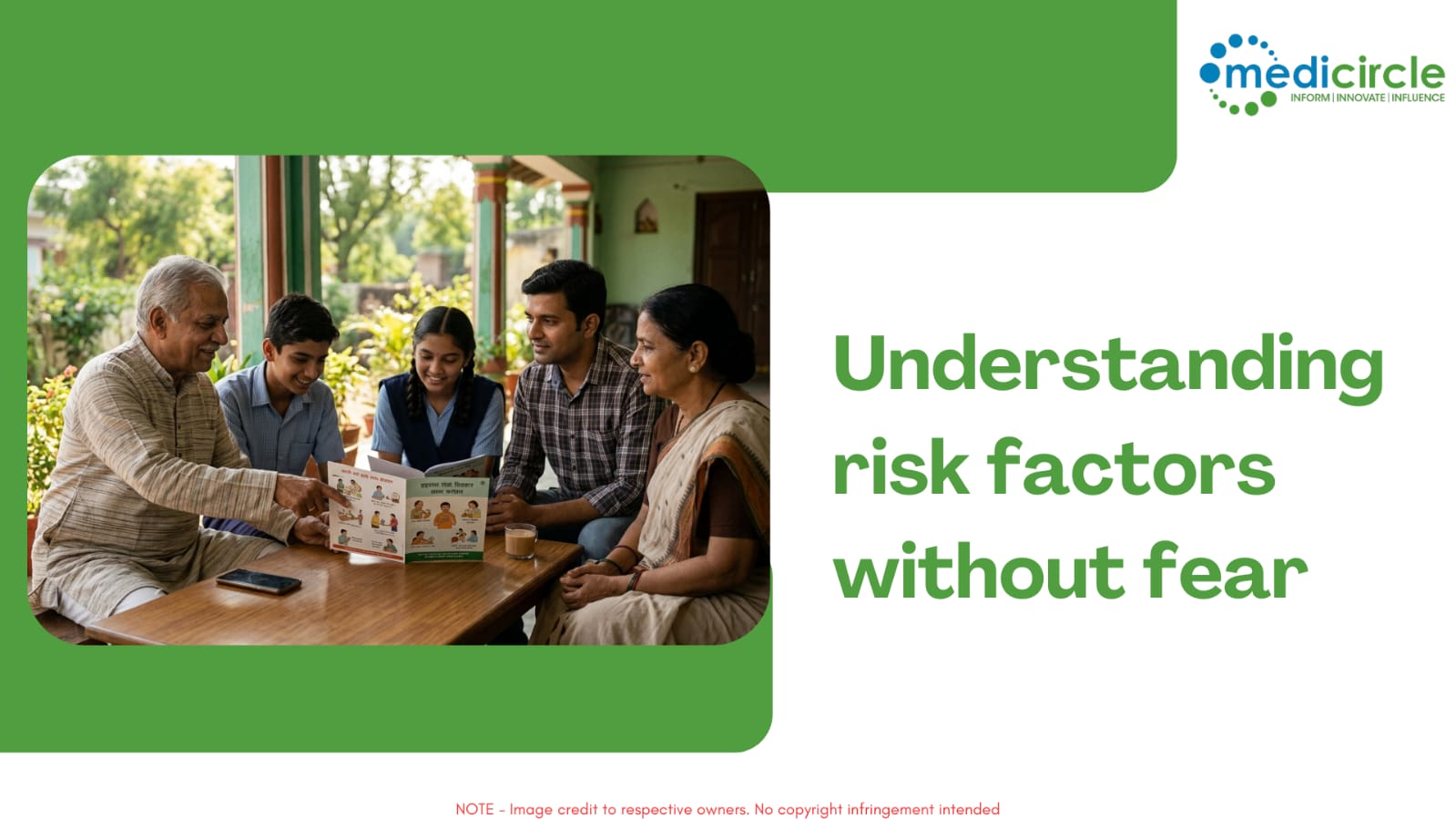
 True wellness is about shifting our mindset from reactive crisis management to proactive prevention. By understanding health risk factors, we can replace anxiety with a structured plan for a healthy life.




Navigating Health Risks Successfully
In the modern digital age, a quick search for a minor symptom often leads to a rabbit hole of worst-case scenarios. For many people in India, this transition into a more health-conscious society has been a double-edged sword. While we are finally moving away from the old habit of only visiting a doctor during an emergency, the influx of information can sometimes feel paralyzing.
True wellness is not about living in a state of constant worry. Instead, it is about shifting our mindset from reactive crisis management to proactive prevention. By understanding what health risks actually are, we can replace anxiety with a structured plan for a longer and healthier life.
Defining Risk Factors
A risk factor is essentially a clue rather than a final verdict. It is a specific habit, trait, or environmental condition that might increase your chances of developing an illness like heart disease or diabetes. However, having a risk factor is not a guarantee that you will fall ill.
Think of it like driving in the rain. The rain is a risk factor for an accident, but it does not mean you will definitely crash. It simply means you should be more careful, check your tires, and drive at a safer speed. Similarly, knowing you have a family history of a condition or a sedentary job allows you to adjust your habits to stay safe on the road of life.
Managing Health Risks
To manage your health effectively, you need to know which battles you can win. Experts generally categorize health risks into two groups.
Fixed Health Traits
These are parts of your identity that are fixed, such as your age, biological sex, and your genetic lineage. If your parents or grandparents had high blood pressure, that information is a valuable warning light. While you cannot rewrite your DNA, knowing these facts helps you and your doctor stay one step ahead.
Controllable Lifestyle Choices
This is where your real power lies. In modern India, our lifestyles have changed dramatically. We often consume calorie-dense traditional foods while spending most of our day sitting behind desks. These habits, along with tobacco use, alcohol consumption, and sleep patterns, are variables we can influence. When you focus on what is changeable, your health journey stops feeling like a matter of luck and starts feeling like a series of choices.
Using Regular Screenings
Many people avoid medical tests because they are afraid of finding a problem. However, avoiding a test does not make a condition disappear. It only makes it harder to treat later. Regular screenings should be viewed as a dashboard for your body.
|
Common Screening |
Why It Matters |
|
Blood Pressure |
Detects silent strain on the heart and kidneys. |
|
Blood Sugar (HbA1c) |
Identifies pre-diabetes before it becomes chronic. |
|
Lipid Profile |
Monitors cholesterol to prevent artery blockages. |
|
Body Mass Index |
Tracks if weight is putting stress on organs. |
When you catch a trend early, such as a slight rise in cholesterol, you often have the luxury of fixing it with simple lifestyle changes rather than lifelong medication.
Achieving Indian Balance
Living healthy in India does not mean you have to abandon your culture or eat a bland diet. It is about modernization through moderation.
Reimagining the Plate
You can still enjoy traditional meals, but try increasing the portion of green vegetables and lean proteins while reducing the heap of rice or the number of parathas.
Movement as Medicine
In our busy cities, finding time for the gym is difficult. However, consistent movement, such as taking the stairs or a twenty-minute brisk walk after dinner, can significantly lower your risk profile.
Mind-Body Connection
Stress is a major silent risk factor. Whether it is through prayer, meditation, or spending time with family, reducing mental strain is just as important as monitoring your physical statistics.
Accessible Healthcare Paths
One of the greatest fears regarding health risks is the financial burden. In the past, a chronic diagnosis felt like a financial death sentence for many families. Fortunately, the healthcare landscape in India is evolving. With better access to affordable medications and a growing emphasis on transparent healthcare platforms, quality treatment is becoming more equitable.
By utilizing resources that simplify medical jargon and offer cost-effective solutions, patients can focus on getting better rather than worrying about the bill. When healthcare is accessible, people are more likely to seek help early, which is the cornerstone of effective risk management.
Common Patient Questions
- If my father has diabetes, will I definitely get it too? No. While family history is a risk factor, your lifestyle choices regarding diet and exercise play a massive role in whether those genes are triggered.
- How often should I get a full body check-up? For most healthy adults under thirty-five, once every two years is often enough. For those over thirty-five or with known risk factors, an annual check-up is usually recommended.
- Can I reduce my health risks without taking medicine? In many cases, yes. If caught early, risks like high blood pressure or early-stage type 2 diabetes can often be managed or even reversed through disciplined diet and activity changes.
Empowerment through Knowledge
The ultimate goal of tracking health risks is to live a life of freedom, not restriction. When you understand the factors that influence your well-being, the unknown loses its power to scare you. You are not just waiting for something to happen. You are actively shaping your future.
By combining the wisdom of preventive care with the tools of modern medicine, you can navigate your health journey with confidence. Remember, the best time to care for your health is when you still feel good.






.jpeg)








.jpg)
.jpg)
.jpg)
.jpg)
.jpg)
.jpg)


.jpg)
.jpg)
.jpg)