 Thursday, October 08, 2026
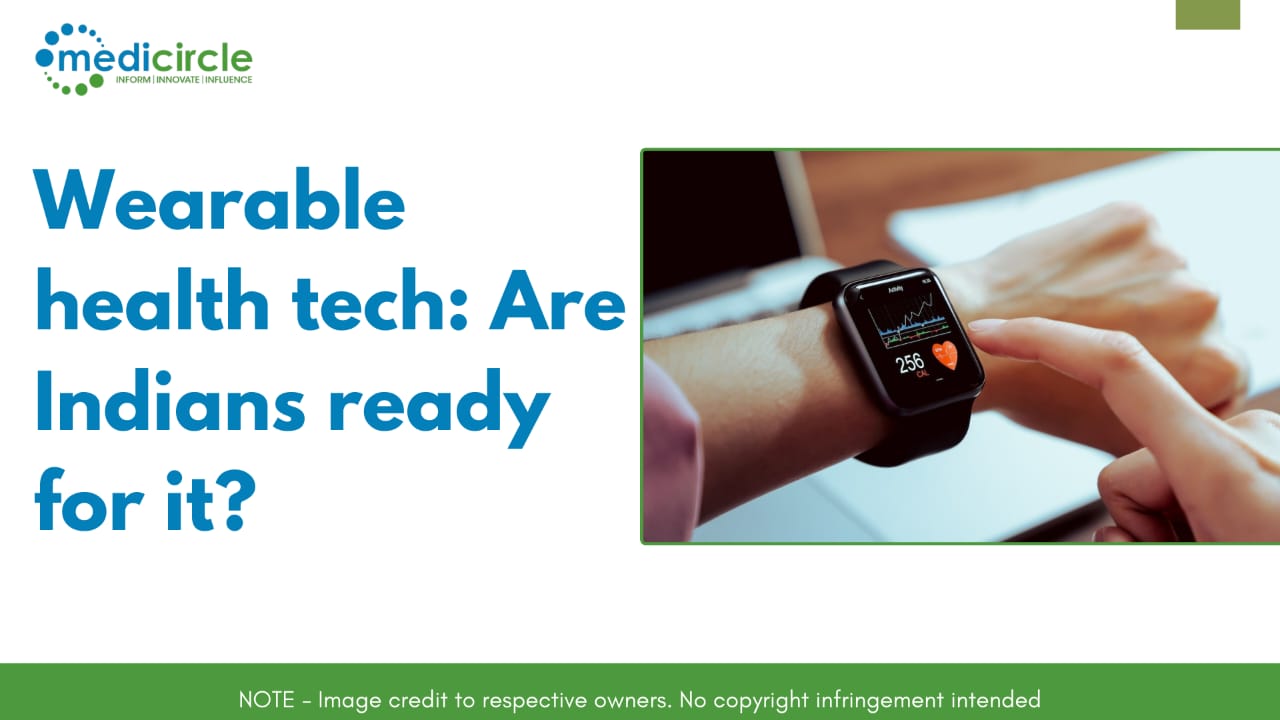
 Wearable technology is rapidly reshaping healthcare in India. From chronic disease management to rural access, it empowers individuals while raising concerns around affordability, accuracy and data privacy.




Take a look around you. On the morning walker’s wrist, in the office or even in a classroom, a small device is silently keeping track of a person’s health. These are not just fancy pedometers anymore. They have evolved into personal health guardians and India is welcoming them with open arms. A striking report from the Boston Consulting Group highlights this shift, showing that a massive 70 percent of Indians are now using digital health tools like wearables and apps. This places the country among the global leaders in adopting this technology. But does this widespread use mean the nation is fully prepared for everything these devices bring? Let us explore that together.
The enthusiasm is undeniable, but the journey forward requires a careful look at both the promises and the pitfalls.
India’s digital health:
There is a quiet revolution happening in how Indians view their well-being. The country has swiftly climbed to be one of the top three markets in the world for wearable health devices, with nearly a third of the population using them. What is even more telling is the comfort with which people are turning to technology for health advice. This move signals a profound change, a collective decision to move from passive patients to active participants in managing health.
This trend finds its strongest voice in the youth and in bustling metropolitan areas. In places like Bengaluru, Delhi and Mumbai, the demand is for gadgets that offer deep insights. People want to know about their heart rhythm, their blood oxygen saturation and the quality of their sleep. Many healthcare professionals point to the COVID-19 pandemic as a critical moment. The humble pulse oximeter became a symbol of vigilance and that desire for real time health knowledge has firmly taken root. The market for these medical grade wearables did not just grow; it transformed.
Changing real lives:
The real value of these devices is measured not in steps counted, but in health outcomes achieved. They are proving to be powerful tools in the long term management of chronic conditions, shifting the focus from treatment to prevention.
Think about diabetes care. Continuous Glucose Monitors (CGMs), small sensors worn on the skin, have changed the game. They allow individuals to see the immediate impact of a meal on their blood sugar levels. As one diabetologist explained, showing a patient a graph of a sugar spike is far more effective than a dozen warnings. It leads to genuine, lasting changes in diet. In cardiology, devices with ECG functions can pick up irregular heartbeats, potentially alerting a user to seek help before a major issue arises.
For doctors, this constant flow of information is invaluable. Instead of making decisions based on a single reading taken in a stressful clinic environment, a doctor can now review data collected over days or weeks. This allows for fine tuning medication doses with a confidence that was previously impossible, paving the way for truly personalized medicine.
Reaching rural India:
Perhaps the most significant potential of wearable tech lies in its ability to bridge India’s vast healthcare divide. With most advanced medical facilities concentrated in cities, rural communities often struggle to get timely specialist consultations.
Here, wearable technology combined with telemedicine can be a lifeline. Imagine a farmer in a remote village who needs to monitor his blood pressure. A simple wearable can track his readings daily and share the data directly with a cardiologist in a city hundreds of kilometers away. This model of remote monitoring can prevent emergencies and make quality healthcare accessible to all. Indian innovators are already on this path, creating affordable, portable devices designed specifically for such needs.
Challenges to overcome:
Of course, this wave of innovation is not without its challenges. The issue of cost is significant. While basic fitness bands are affordable, advanced medical devices like CGMs can carry a monthly cost that is simply out of reach for the average family. Then there is the critical matter of data privacy. These devices collect our most intimate health details. Who owns this data and how is it protected? Building robust legal frameworks and earning public trust is non-negotiable.
Finally, medical professionals often remind us to be cautious about relying too heavily on the data. Not all consumer devices undergo rigorous clinical testing. An inaccurate reading can cause needless worry or more dangerously, create a false sense of security. The best approach is to see these wearables as helpful guides, not replacements for a doctor’s diagnosis.
The future is personal:
So, where does this leave us? The evidence is clear: Indians are not just ready for wearable health tech; they are actively driving its evolution. The path forward will require smart solutions to make technology affordable, secure and accurate. It demands a partnership between innovators, doctors and policymakers.
The potential, however is immense. As these devices become smarter and more integrated into our healthcare system, they will transform from simple monitors to proactive health partners. For a nation facing a growing challenge from lifestyle diseases, this is not merely a technological upgrade. It is a fundamental step toward a healthier, more empowered India. The revolution is not coming; it is already here, one heartbeat at a time.






.jpeg)










.jpg)
.jpg)
.jpg)
.jpg)
.jpg)
.jpg)


.jpg)