Monday, October 26, 2026
.jpg)
 The surge in chronic diseases such as diabetes, cardiovascular disorders, respiratory ailments, and lifestyle-related conditions has amplified the need for continuous patient monitoring and timely interventions.




The surge in chronic diseases such as diabetes, cardiovascular disorders, respiratory ailments, and lifestyle-related conditions has amplified the need for continuous patient monitoring and timely interventions.
Simultaneously, a growing global emphasis on preventive care, wellness tracking, and personalized health has pushed consumers — from fitness enthusiasts to older adults — to adopt wearable medical devices. This shift is strengthened by increasing affordability, enhanced connectivity (AI, 5G), and rising purchasing power across key demographics.
The combined effect of a rising disease burden and growing health consciousness is enabling the wearable medical device market to transition from niche wellness gadgets to mainstream healthcare tools.
Diagnostic Devices Lead; Sports, Fitness & Home Healthcare Dominate
According to the Polaris report, the diagnostic devices segment — including wearable blood-glucose monitors, pulse oximeters, heart-rate and blood pressure monitors — accounted for the largest market share in 2024. These devices are gaining traction owing to rising prevalence of metabolic disorders and chronic diseases.
By application, the sports and fitness segment held the highest revenue share in 2024, as more individuals adopt activity trackers and health wearables for lifestyle and preventive health purposes.
At the same time, remote patient monitoring and home healthcare devices are emerging swiftly, enabling continuous monitoring for patients with chronic illnesses or post-operative needs, reducing the need for frequent hospital visits.
Looking ahead, Asia Pacific is projected to record the fastest growth over the next decade — driven by rising geriatric populations, growing healthcare investments, and increased adoption of advanced wearable medical devices.
Tech Advancements & AI-Powered Monitoring Unlock New Opportunities
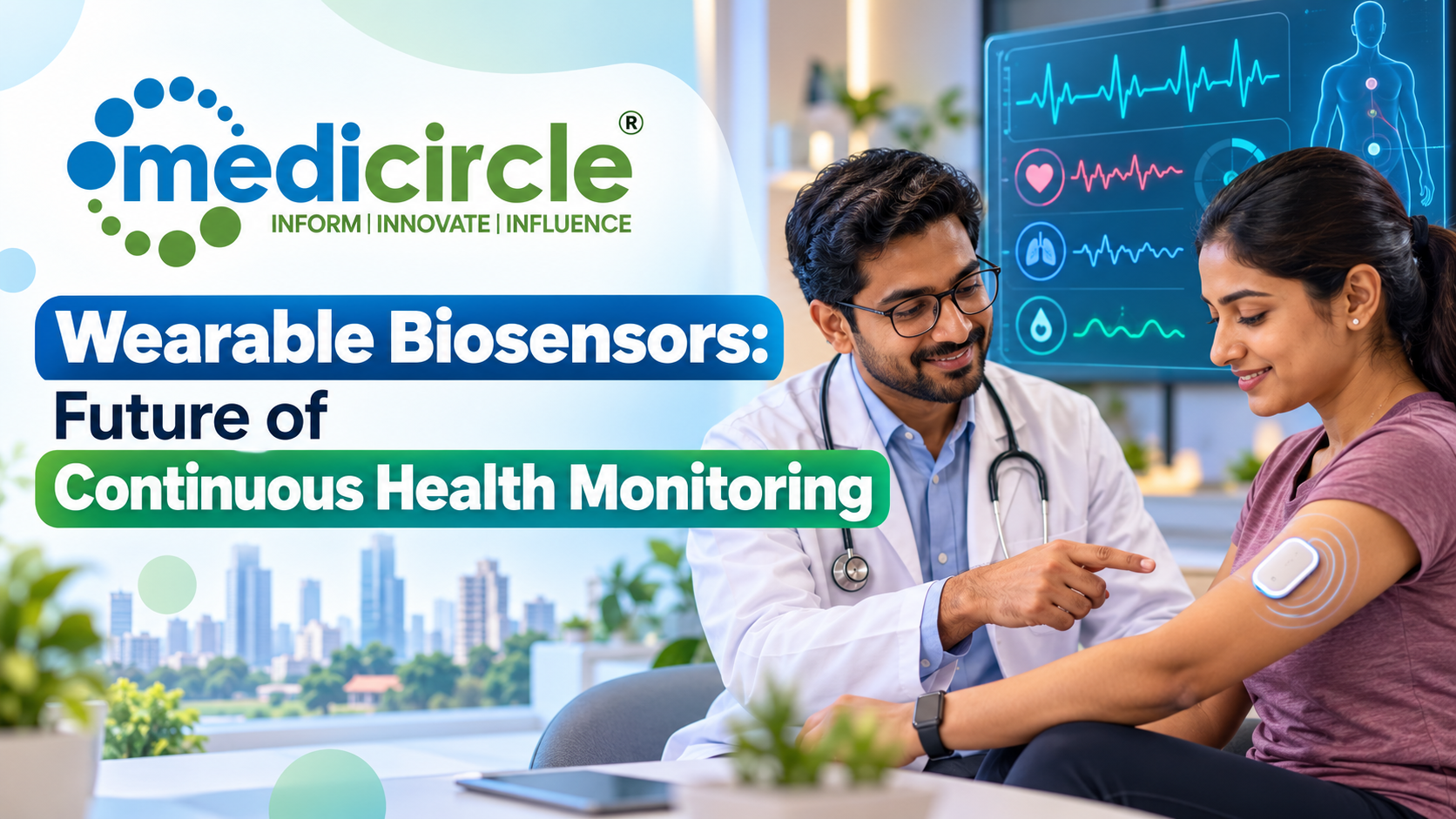
A key factor fueling the next wave of growth is the integration of advanced technologies — including AI algorithms, miniaturized sensors, and 5G connectivity — into wearable medical devices. These innovations allow real-time monitoring of vital signs, glucose levels, oxygen saturation, sleep patterns, and other health metrics, enabling early detection of conditions such as arrhythmias, sleep apnea, dehydration, and glucose abnormalities.
Such capabilities convert wearable devices into vital tools for personalized healthcare, enabling chronic disease management, preventive care, and remote monitoring — a shift that aligns perfectly with the broader digital health movement sweeping across global markets.
Moreover, wearables promote cost-effective care by reducing unnecessary hospital visits, enabling remote monitoring by physicians, and offering real-time alerts — benefits especially relevant in regions with growing populations and limited medical infrastructure.
View More Information @ https://www.polarismarketresearch.com/industry-analysis/wearable-medical-devices-market/request-for-sample
Challenges Ahead: Data Privacy, Regulation & Security Concerns
Despite the strong growth prospects, the wearable medical devices market faces critical challenges. Chief among these are data privacy and security concerns, as these devices collect and transmit sensitive health information (vital signs, activity levels, biomarkers). Risks of data breach, unauthorized access, and misuse of health data can impact user trust and adoption.
Furthermore, as wearable medical devices increasingly blur the line between wellness gadgets and medical tools, regulatory oversight is expected to tighten. Compliance with regulatory standards (e.g., clinical validation, data security, patient safety) could raise development and manufacturing costs.
Addressing these issues will be pivotal for sustained market growth and will require robust data governance frameworks, transparent consent mechanisms, and collaboration between manufacturers, healthcare providers, regulators, and policymakers.
Why Healthcare Industry Stakeholders Should Take Notice
For healthcare providers, insurers, and policymakers — the rapid expansion of the wearable medical device market represents both a challenge and an opportunity:
- Improved patient outcomes — real-time monitoring enables early detection and timely interventions, reducing emergency visits and improving chronic disease management.
- Cost savings — lower hospital visits, remote monitoring, and preventive care reduce overall healthcare costs.
- Expanded access — portable, affordable wearables can bring healthcare monitoring to underserved or remote populations, especially in emerging markets.
- Data-driven insights — aggregated anonymized data from wearables can help public health agencies monitor trends, detect epidemics early, and plan resource allocation.
For device manufacturers, technology firms, and investors, the market offers a lucrative growth path — especially with continuous advancements in sensors, AI, and connectivity. Collaboration with healthcare providers and compliance with regulations will help accelerate adoption and scale.
Conclusion: Wearables — From Trend to Healthcare Infrastructure
The wearable medical device market is no longer a niche segment — it is quickly maturing into a cornerstone of modern healthcare infrastructure. Fueled by growing chronic disease burden, increasing health awareness, and rapid technological innovation, the market is set to more than quadruple in a decade.
As stakeholders across the healthcare ecosystem — from manufacturers to providers to policymakers — align on standards, data privacy, and clinical validation, wearable medical devices are poised to play a transformational role in preventive care, chronic disease management, and personalized healthcare delivery worldwide.





-23-300x250.png)

.jpeg)


.jpg)
.jpg)
.jpg)
.jpg)
.jpg)
.jpg)
.jpg)
.jpg)
.jpg)