 Tuesday, October 27, 2026
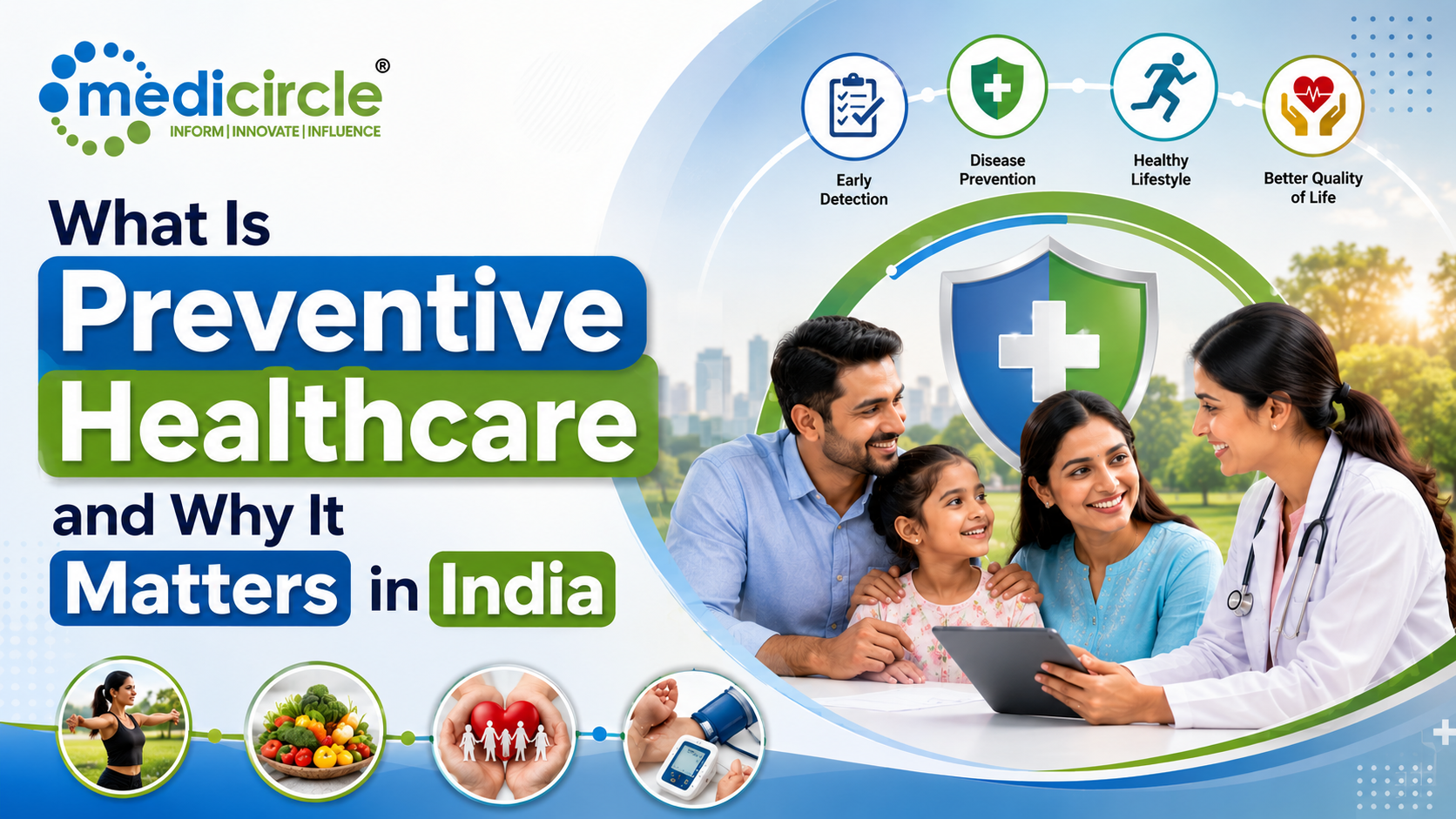
 Preventive healthcare stops disease before it starts through screenings, vaccinations, and lifestyle change. In India, where non-communicable diseases dominate mortality, expanding access through Ayushman Bharat makes prevention more achievable for every household.




What Is Preventive Healthcare and Why Is It Important?
Introduction
Preventive healthcare is the practice of taking deliberate steps to protect health before illness develops, rather than waiting to treat disease after it appears. It includes routine screenings, vaccinations, health checkups, and lifestyle counselling designed to catch risks early or stop them from forming altogether. For a country like India, where non-communicable diseases such as heart disease, diabetes, and cancer now account for nearly two out of every three deaths, preventive healthcare is not a luxury reserved for the privileged. It is a practical necessity for every household, in every city and village, across every income group.
Most people associate healthcare with hospitals, prescriptions, and treatment after a diagnosis. Preventive healthcare works differently. It focuses on the time before symptoms appear, when small interventions can make the biggest difference. A blood pressure check during a routine visit, a vaccination given on schedule, or a conversation about diet and physical activity may seem unremarkable in the moment, yet these actions are often what separate a long, healthy life from a life interrupted by preventable illness.
This article explains what preventive healthcare actually involves, the different levels at which prevention works, why it carries particular importance for the Indian population, and how government initiatives such as Ayushman Bharat are reshaping access to these services. It also looks at common screenings by age and gender, the role of family history, and practical steps that individuals and families can take today.
Understanding Preventive Healthcare: The Basics
Preventive healthcare refers to medical services and personal practices that aim to avoid disease, detect it early, or limit its progression once it has started. It typically does not require a person to have any symptoms. Instead, it relies on scheduled checkups, screenings, and counselling that happen at regular intervals throughout life.
Medical experts generally describe prevention in layers, and understanding these layers helps explain why preventive healthcare covers such a wide range of activities.
Primary prevention focuses on avoiding disease before it ever begins. Vaccination programmes, health education, tobacco control measures, and encouraging a balanced diet all fall under this category. The goal here is to remove or reduce exposure to risk factors long before any damage occurs.
Secondary prevention works after risk factors or early disease processes are already present, but before symptoms become obvious. Blood pressure monitoring, blood sugar testing, and cancer screenings such as mammography or Pap smears belong to this category. The objective is early detection, when treatment tends to be simpler, less expensive, and far more effective.
Tertiary prevention comes into play once a disease has already produced symptoms or complications. It focuses on limiting further damage, supporting rehabilitation, and helping a person manage a condition so it does not worsen. Cardiac rehabilitation after a heart attack or structured diabetes management programmes are common examples.
A fourth and increasingly discussed layer, quaternary prevention, focuses on avoiding unnecessary medical interventions, overtesting, or overtreatment that may do more harm than good. This becomes relevant as healthcare systems grow more complex and patients sometimes undergo procedures or tests that add cost without adding benefit.
Together, these layers form a continuum. A person practising primary prevention through good nutrition and physical activity may still benefit from secondary prevention in the form of an annual blood test, and if a chronic condition does eventually develop, tertiary prevention helps that person manage it well for years to come.
Why Preventive Healthcare Matters So Much in India
India's health landscape has shifted dramatically over the past three decades. Communicable diseases once dominated the country's mortality statistics. Today, non-communicable diseases, including cardiovascular conditions, diabetes, chronic respiratory illness, and cancer, are responsible for a majority of deaths nationwide, with multiple national health analyses placing the figure between sixty and sixty-five percent of total mortality. This is a significant change from just a few decades ago, when these conditions accounted for a much smaller share of deaths in the country.
Several factors drive this shift. Urbanisation has changed how Indians eat, move, and work. Diets increasingly include processed and high-sodium foods, particularly in Tier 1 and Tier 2 cities, where convenience often outweighs nutritional planning. Sedentary occupations, long commutes, and reduced physical activity compound the risk. Add to this a genetic predisposition among South Asian populations toward conditions like type 2 diabetes and central obesity, and the case for prevention becomes even stronger.
The economic dimension cannot be ignored either. Out-of-pocket health spending has historically pushed millions of Indian families toward financial hardship each year, particularly when a chronic illness is diagnosed late and requires prolonged hospitalisation or specialist treatment. Preventive healthcare directly addresses this problem. Detecting hypertension or elevated blood sugar early, for instance, generally allows management through lifestyle changes and affordable medication, long before it progresses to a stroke, kidney failure, or a cardiac event that demands expensive emergency care.
There is also a workforce dimension that matters specifically for India's demographic profile. With one of the youngest populations in the world, India has an opportunity to protect its working-age population from preventable illness, supporting both individual quality of life and the country's broader productivity and economic growth. Early intervention in a twenty-five-year-old with prediabetes protects decades of future health and earning potential.
How India Is Building a Preventive Healthcare Infrastructure
India's approach to preventive healthcare has evolved considerably under the Ayushman Bharat scheme, which represents the government's central strategy to combine prevention with affordable treatment.
The first component of Ayushman Bharat involves transforming existing primary health infrastructure into Ayushman Arogya Mandirs, which deliver comprehensive primary healthcare close to where people live. These centres are designed specifically to focus on prevention and wellness, alongside maternal and child health services, non-communicable disease screening, mental health support, and basic diagnostics. As of early 2026, more than 184,000 such centres are operational across the country, including over 30,000 in tribal districts and roughly 24,000 in aspirational districts, extending preventive services into regions that have historically had limited healthcare access.
The second component, Pradhan Mantri Jan Arogya Yojana, provides health insurance coverage for hospitalisation needs once a condition requires secondary or tertiary care. While this component addresses treatment rather than prevention directly, it works alongside the wellness centres to create a more complete continuum of care, from prevention through to treatment, particularly for economically vulnerable families.
The Ayushman Bharat Digital Mission adds another dimension by giving citizens a unique digital health account, allowing screening results, vaccination records, and medical history to be stored securely and accessed when needed. This digital infrastructure makes it easier for both patients and healthcare providers to track preventive care over time, rather than relying on scattered paper records.
Beyond Ayushman Bharat, India runs a dedicated national programme targeting hypertension and diabetes, which by 2025 had brought tens of millions of people with these conditions under structured treatment and monitoring, supported by a national digital portal that tracks outcomes. Programmes addressing tuberculosis, cervical cancer prevention, and tobacco control similarly reflect a broader national push to shift healthcare further upstream, toward prevention rather than late-stage treatment.
For Tier 2 and Tier 3 cities particularly, these centres and programmes represent a meaningful change. Many residents in these areas previously had to travel considerable distances for even basic screenings. Bringing preventive services closer to home reduces both the cost and the inconvenience that often discouraged people from seeking care until symptoms became severe.
Common Preventive Screenings and Services by Life Stage
Preventive care needs change across a person's lifetime, and understanding what is relevant at each stage helps individuals and families plan more effectively.
For infants and children, preventive healthcare centres on the national immunisation schedule, covering diseases such as tuberculosis, polio, measles, and hepatitis B, alongside regular growth monitoring and developmental screening. Indian paediatricians generally recommend wellness visits at scheduled intervals throughout infancy, followed by annual checkups through childhood and adolescence.
For adults in their twenties and thirties, preventive care typically includes blood pressure measurement, blood sugar testing, and basic blood work such as cholesterol screening, particularly important given the relatively young age at which Indians can develop metabolic risk factors compared to Western populations. Dental checkups, eye examinations, and reproductive health counselling also fall into this category.
For adults aged forty and above, screening recommendations expand to include cancer screenings appropriate to age and gender, such as mammography for breast cancer, Pap smears or HPV testing for cervical cancer, and colorectal cancer screening. Bone density testing becomes relevant for postmenopausal women. Cardiac risk assessment, including ECG and lipid profiles, is commonly recommended at this stage as well, particularly for individuals with a family history of heart disease.
For older adults, preventive healthcare often includes more frequent monitoring of existing risk factors, vaccination against influenza and pneumococcal disease, vision and hearing assessments, and screening for cognitive decline. Bone health, fall risk assessment, and medication review also become more relevant as people age.
It is worth noting that these are general guidelines, and the right starting age or frequency for any individual screening should always be discussed with a qualified physician, since personal risk factors and family history can shift these recommendations earlier or make certain tests more frequent.
The Critical Role of Family History in Preventive Care
Family history remains one of the most underused tools in preventive healthcare, particularly in Indian households where conversations about hereditary illness are sometimes avoided out of discomfort or stigma.
When a close relative, such as a parent or sibling, has a history of a condition like diabetes, heart disease, or a particular cancer, the risk for that condition in other family members often rises meaningfully. This does not mean illness is guaranteed. It does mean that screening recommendations may need to start earlier or occur more frequently than they would for someone without that family history.
Genetic factors play a measurable role in several serious conditions. Inherited mutations linked to certain breast and ovarian cancers, for instance, or specific genetic markers associated with elevated diabetes risk, are well documented in medical literature. Knowing this history allows a physician to tailor screening schedules appropriately, rather than applying a generic, one-size-fits-all approach.
For Indian families, this often means having a frank conversation with parents, grandparents, and siblings about what illnesses run in the family, including conditions that may have gone undiagnosed or unspoken about in earlier generations. This information, shared honestly with a doctor, becomes a genuinely useful tool for personalising preventive care rather than a source of anxiety.
Lifestyle Factors That Support Preventive Health in the Indian Context
While clinical screenings form one pillar of preventive healthcare, daily lifestyle choices form the other, and these carry particular relevance given Indian dietary and cultural patterns.
Traditional Indian diets, when built around whole grains, pulses, vegetables, and modest portions, offer genuine protective value against many chronic conditions. However, increasing reliance on refined carbohydrates, fried snacks, and sugar-sweetened beverages, especially in urban settings, has contributed to rising rates of obesity and metabolic disease. Returning to balanced, traditional eating patterns while moderating portion sizes and processed food intake remains one of the most accessible preventive steps available to most households.
Physical activity presents a similar opportunity. Many Indians, particularly in white-collar professions, now spend the majority of their waking hours seated, whether commuting, working, or relaxing at home. Even modest daily activity, such as a brisk thirty-minute walk, can meaningfully reduce risk for cardiovascular disease and type 2 diabetes over time.
Tobacco use continues to represent one of the largest preventable contributors to illness and death across India, spanning smoked and smokeless forms that remain widely used in both urban and rural communities. Quitting tobacco, at any age and after any duration of use, produces measurable health benefits within a relatively short period.
Sleep, often overlooked in discussions of preventive health, also deserves attention. Chronic sleep deprivation is associated with a higher risk for obesity, hypertension, and mental health conditions, yet it remains under-addressed in many Indian households where long work hours and digital device use cut into rest.
Finally, mental health screening belongs firmly within preventive healthcare, not as a separate category. Counselling for stress, anxiety, and depression, when offered as part of routine preventive visits, helps address conditions that might otherwise go unspoken and untreated for years, particularly given the stigma that still surrounds mental health conversations in many parts of the country.
What Preventive Healthcare Does Not Include
It is worth clarifying what falls outside the scope of preventive care, since the distinction affects insurance coverage and how a person should think about scheduling appointments.
A test or visit is generally not considered preventive when a person already has symptoms suggestive of a specific condition, or has a prior diagnosis of that condition. For example, a blood sugar test performed because a person feels unusually thirsty and fatigued is diagnostic, not preventive, even if the result eventually comes back normal. Similarly, ongoing visits to manage an already diagnosed condition, such as ongoing care for diabetes or ongoing cardiac monitoring after a previous event, fall under disease management rather than prevention.
This distinction matters practically because preventive services are increasingly covered without additional cost under various insurance and government schemes, whereas diagnostic and treatment services typically involve different cost structures. Understanding this difference helps individuals plan both their health checkups and their healthcare budgeting more accurately.
Practical Steps Toward Building a Preventive Healthcare Habit
Building a sustainable preventive healthcare routine does not require dramatic life changes overnight. It begins with small, consistent decisions.
Scheduling an annual health checkup, even when feeling completely well, remains one of the most effective starting points. Many corporate health insurance plans and government schemes in India already include this benefit, yet utilisation often remains lower than it should be simply because people delay or forget.
Keeping vaccination records updated, both for children and adults, ensures protection against preventable infectious diseases continues throughout life, not just during childhood.
Having an honest conversation with family members about hereditary health conditions, however uncomfortable it may initially feel, provides genuinely useful information for tailoring personal screening schedules.
Making gradual, sustainable changes to diet and physical activity tends to produce better long-term results than aggressive, short-term efforts that are difficult to maintain.
Finally, treating preventive healthcare as a shared family responsibility, rather than an individual task, helps ensure that children, parents, and grandparents alike receive age-appropriate screenings and guidance, strengthening the health of the household as a whole.
Conclusion
Preventive healthcare represents a fundamental shift in how individuals and health systems approach wellbeing, moving the focus from treating illness after it appears to protecting health before problems take hold. For India, where non-communicable diseases now claim the majority of lives and where healthcare costs can place real financial strain on families, this shift carries particular urgency. The expansion of Ayushman Arogya Mandirs, the growth of structured national screening programmes, and the digitisation of health records through the Ayushman Bharat Digital Mission all signal a system gradually reorienting itself toward prevention.
Yet policy and infrastructure can only go so far without individual participation. Scheduling that overdue checkup, having that difficult conversation about family medical history, or simply choosing a daily walk over another hour of screen time are small decisions that, repeated consistently, shape long-term health outcomes far more than most people realise. Preventive healthcare, at its core, is not about fear of illness. It is about giving every person, family, and community in India the best possible chance at a longer, healthier life.
Frequently Asked Questions
Q1: What is the simplest definition of preventive healthcare?
Preventive healthcare refers to medical services, screenings, vaccinations, and lifestyle guidance aimed at stopping disease before it starts or catching it at an early, more treatable stage, rather than waiting for symptoms to appear.
Q2: Is preventive healthcare free under Ayushman Bharat?
Ayushman Arogya Mandirs under Ayushman Bharat offer free preventive, promotive, and primary care services, including screenings for common non-communicable diseases, to people in their local community. Coverage and exact services can vary by state and centre.
Q3: At what age should preventive health screenings begin in India?
Many basic screenings, such as blood pressure and blood sugar checks, are recommended from the age of eighteen onward, while specific cancer and cardiac screenings often begin between thirty and forty, depending on individual risk factors and family history.
Q4: What is the difference between preventive care and diagnostic care?
Preventive care involves routine tests and checkups performed when a person has no symptoms, aimed at catching problems early. Diagnostic care is ordered when a person already has symptoms or a suspected condition that needs confirmation and treatment.
Q5: Can preventive healthcare reduce my long-term medical expenses?
Yes. Detecting conditions such as hypertension, diabetes, or early-stage cancer before they progress generally costs far less to manage than treating advanced disease, and it can reduce hospitalisation, complications, and loss of income over time.





-23-300x250.png)

.jpeg)






.jpg)
.jpg)
.jpg)
.jpg)
.jpg)
.jpg)
.jpg)
.jpg)
.jpg)

