Wednesday, October 28, 2026
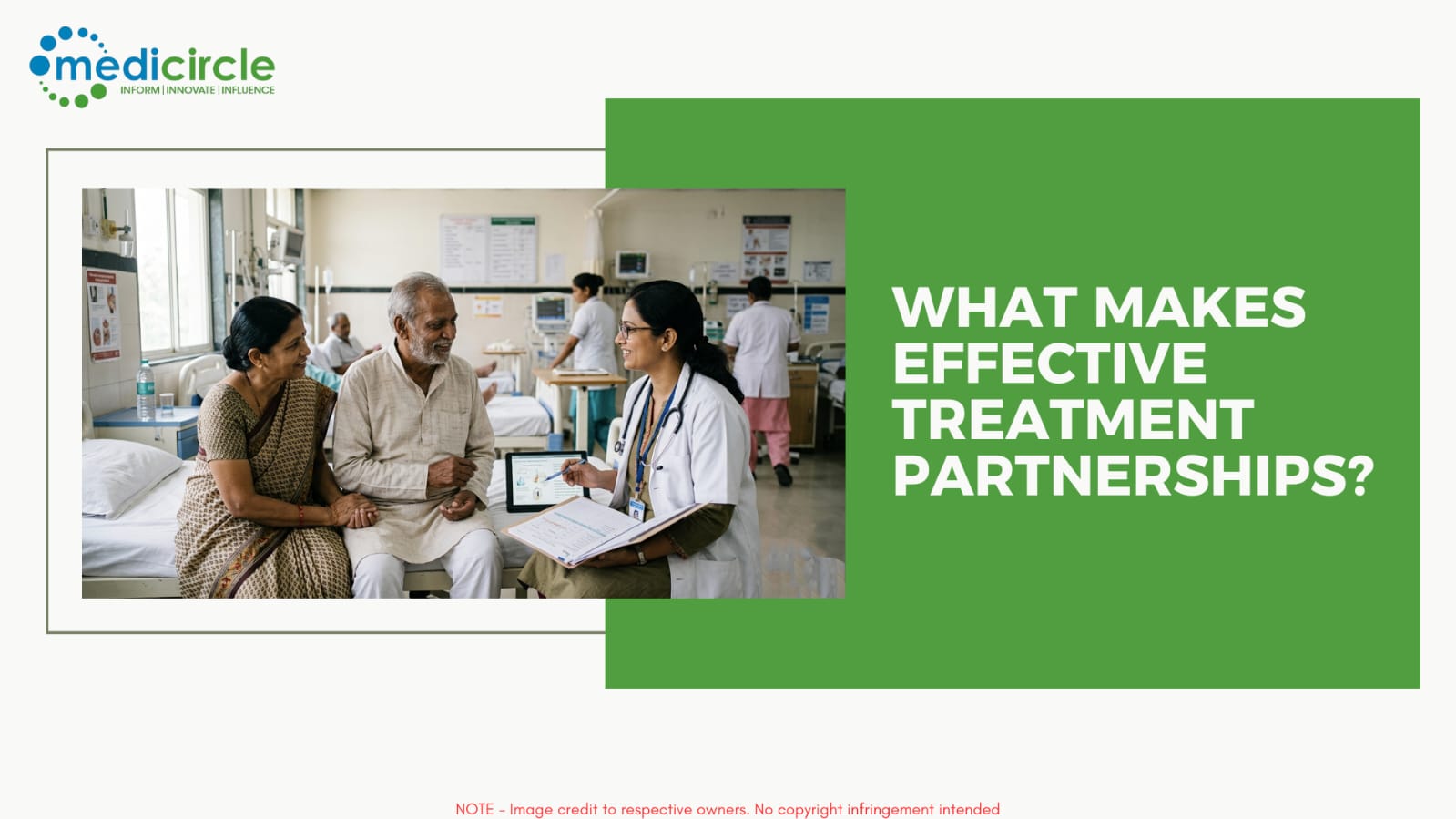
 Effective treatment partnerships transform Indian healthcare by replacing paternalistic models with collaboration. Through mutual trust, shared decisions, and digital tools, doctors and patients work together to achieve better health.




Effective Treatment Partnerships in Indian Healthcare
For a long time in India, the walk into a medical clinic followed a predictable and one sided script. The doctor would examine, diagnose, and prescribe, while the patient would simply listen and leave. This paternalistic model, where the physician acts as the sole decision maker, is finally fading away. In its place, a much more powerful dynamic is emerging which is known as the treatment partnership.
This shift is not just about being friendlier during a visit. It represents a fundamental change in how people view the process of healing. In a partnership, the doctor remains the medical expert, but the patient becomes the expert on their own life. Together, they form a unified team dedicated to the single goal of sustainable health.
Building Mutual Trust
Trust is the quiet essential of every medical consultation. In the hustle of a busy Indian clinic, time is often a luxury. However, trust is not built on the number of minutes spent, but on the quality of the interaction. A successful partnership begins when a doctor looks beyond the symptoms to see the actual person. This means understanding the daily routine, financial constraints, and cultural beliefs of the patient.
On the flip side, trust requires radical honesty from the person seeking care. Many people hesitate to tell a doctor if they are trying home remedies or if they stopped taking a previous medication. In a true partnership, there is no judgment from the medical professional. When patients feel safe enough to share the full truth, doctors can create plans that actually work in the real world.
Breaking Language Barriers
Medical science is complex, but healthcare should be easy to understand. A major hurdle in India has always been the gap in technical language. Complex terms often leave patients feeling more confused than comforted. Effective partnerships prioritize health literacy for everyone involved. This happens when a doctor explains a condition in simple, everyday language that the patient and their family can truly grasp.
Information flow must be a two way street to be effective. Patients are now encouraged to be active reporters of their own health status. Instead of giving vague descriptions, keeping a simple diary of symptoms or a list of questions helps the doctor immensely. When a family member or caregiver is also kept in the loop with clear instructions, the chances of a successful recovery increase.
Choosing Paths Together
Shared decision making is perhaps the most modern element of this collaborative era. It moves away from the idea that there is only one right way to treat a condition. Often, there are multiple paths with different costs, side effects, and lifestyle requirements. By discussing these options openly, the treatment becomes a fit for the life of the patient. This reduces the frustration of failed treatments because the patient helped design the rules.
Digital Care Bridges
We live in an age where the doctor and patient relationship does not have to end at the clinic door. Technology, when used correctly, acts as a supportive bridge between visits. Platforms like Medicircle empower this partnership by offering a reliable source of medical truth. In an era of online myths, having access to verified and expert led content ensures that the patient stays on the right track.
Digital tools ensure that medical care is continuous. These tools include tele consultations and online health records. Such innovations turn healthcare from a series of stressful and isolated events into a smooth conversation about long term wellness. This connectivity allows for better monitoring and faster adjustments to the treatment plan when necessary.
Personal Accountability Shifts
A partnership means that both sides have specific responsibilities. The job of the doctor is to provide the best evidence based advice and a clear roadmap. The job of the patient is to take the wheel and drive the process. This is especially vital in India today, as the country faces a rise in chronic lifestyle diseases like diabetes.
These conditions cannot be cured and must be managed over a lifetime. In this scenario, the patient is essentially the leader of their own health team. The doctor serves as their chief consultant. When patients take ownership of their habits and follow up visits, they are actively investing in their own future health.
Overcoming Cultural Hurdles
In many Indian families, there is a cultural habit of hiding a serious diagnosis from a loved one. While this is well intentioned, it often prevents the patient from being an active partner in their own care. True partnership requires a culture of transparency and openness. Encouraging patients to ask why or what happens next is a sign of a healthy and functioning medical relationship.
A Wellness Standard
Effective treatment partnerships are changing the face of Indian healthcare for the better. By moving from a top down approach to a side by side collaboration, we are seeing better outcomes. There are fewer misunderstandings and more satisfied patients across the country. Healthcare is most effective when it remains focused on the human element. When we stop treating diseases and start partnering with people, we build a system that is both smarter and more compassionate.





-23-300x250.png)

.jpeg)

.jpg)
.jpg)
.jpg)
.jpg)
.jpg)
.jpg)
.jpg)
.jpg)
.jpg)