 Tuesday, October 27, 2026
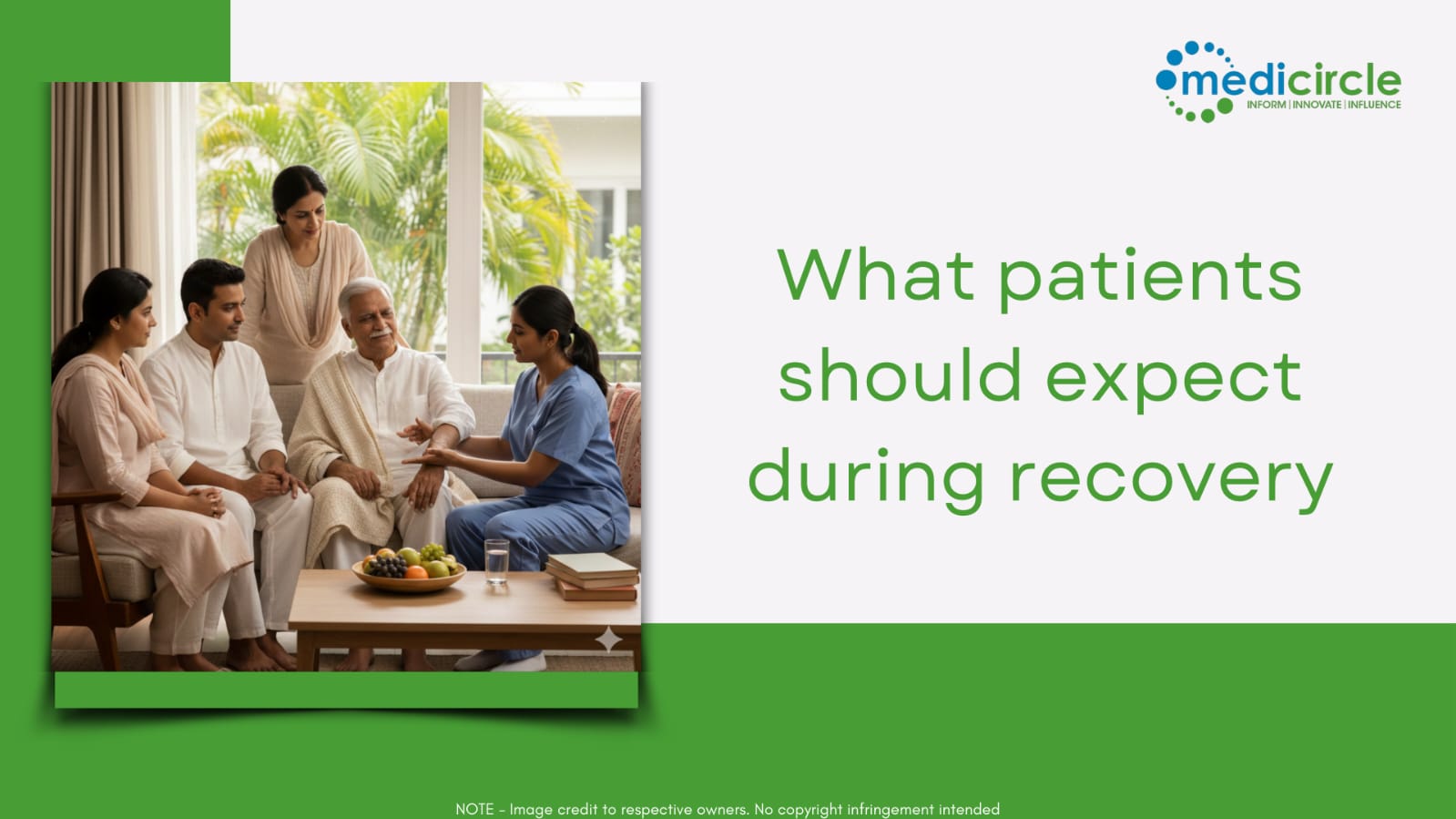
 Recovery begins after discharge, bringing physical ups and downs, emotional strain, and caregiver burnout. Early support, rehabilitation, and active family involvement shape outcomes and help transform uncertainty into steady, meaningful healing at home.




The discharge summary receives its final signature. The paperwork is complete. The patient, still carrying weakness in their body, receives help into the car for the journey home. For weeks or perhaps months, the hospital has functioned as a second home. It has been a place of beeping monitors and scheduled vital checks. It has offered the reassurance that help remains only a press of the bell away. Then, without warning, the car pulls into the driveway, and everything transforms in ways no one anticipated.
This particular moment, familiar to countless Indian families across the country, marks the beginning of something that rarely receives discussion beforehand. The house feels different now. The bedroom has undergone rearrangement to accommodate medical equipment and supplies. Family members move cautiously, uncertain whether to treat the patient as fragile or to encourage normal behavior. Beneath all the activity lies a quiet question that no one quite knows how to ask. That question is simple: what happens now?
Walk into any hospital waiting area anywhere in the country. Whether it is a government facility in Lucknow or a private hospital in Chennai, the scene repeats itself endlessly. You will see families clutching those discharge summaries with expressions that mix relief and anxiety together. They have received instructions, yes. But instructions do not equal preparation. No one sits down with them to explain that recovery follows its own rhythm, brings its own setbacks, and takes its own unexpected turns. That knowledge comes only through experience, and often, it arrives with difficulty.
Part That Brochures Skip:
Here is something that researchers have documented but hospitals rarely emphasize during discharge. Studies tracking patients after they leave the hospital reveal a pattern that repeats consistently. What families expect to happen, which is a steady and predictable improvement, rarely matches what actually unfolds during recovery? This disconnect shows itself not merely in managing pain or sticking to medication schedules. It appears in the daily experience of living with a body that is healing.
Think about someone recovering from a major surgery, a cardiac event, or a prolonged illness. The family naturally hopes to see progress. They look for signs that each day brings some improvement. But bodies do not heal according to any schedule. Some mornings, the patient wakes up with genuine energy. They join the family for breakfast. They might even walk to the balcony. Other mornings bring crushing fatigue, irritability, or pain that seems worse than the previous day. These swings, when no one has warned you about them, can feel like failure. They shake the confidence of both the patient and the people caring for them.
What makes this situation harder is the silence surrounding the emotional weight of healing. In Indian homes, families excel at providing practical care. Someone ensures that meals are prepared according to the doctor's advice. Someone tracks the medicine timings with precision. Someone manages the stream of relatives who wish to visit. But the emotional side of recovery often gets pushed aside. This happens not because families do not care. It happens because they do not know how to talk about these things.
The patient lies awake at three in the morning, staring at the ceiling, wondering if life will ever feel normal again. Will they return to work eventually? Will they always need help with simple tasks? Will the family see them differently after this experience? And the person sleeping on the floor next to the bed, the caregiver who has not enjoyed a full night of rest in weeks, carries their own fears while pretending to remain strong for everyone else.
The Critical Window:
Doctors who have spent years managing patient recoveries will tell you something interesting about the process. The period immediately after discharge, roughly the first forty-eight hours, often determines how the rest of the recovery unfolds. During this window, the patient and family find themselves most vulnerable. The hospital safety net has been removed. But the confidence to handle things independently has not yet developed fully.
In these early hours, seemingly small things become enormously significant. Knowing exactly how to position the patient so they do not develop bedsores matters greatly. Understanding whether a slight fever means infection or merely the body normal response requires clarity. Having someone to call when the surgical wound looks slightly red, or when the patient feels too weak to get out of bed, provides immense relief.
This is where structured support makes a genuine difference to outcomes. When a trained nurse visits the home within these first two days, or when a healthcare professional makes a telephonic check in, it transforms the entire experience for the family. Families realise that they are not navigating this journey alone. Someone remains available to say that this particular symptom is normal and does not require worry. Someone can also say that yes, this change needs attention and they should bring the patient in. That reassurance, offered during those early vulnerable hours, builds the confidence that carries families through the weeks ahead.
Private Battles:
Research from cancer care settings in India has documented something that applies far beyond oncology. A significant number of patients undergoing treatment experience symptoms of anxiety or depression. But this emotional toll is not limited to any single diagnosis. Any serious illness, any major surgery, any extended hospital stay leaves its mark on the mind.
Patients struggle with things they never expected to struggle with. They struggle with the way their body has changed. They struggle with the frustration of depending on others for things they once did automatically. They struggle with the fear that every new ache or pain signals a return of the original problem. People who have survived serious illness often describe living between medical appointments. They find themselves never fully relaxing because the next scan or checkup looms ahead on the calendar.
Caregivers carry their own burden through this process. In most Indian families, caregiving responsibilities fall on one or two members, usually women. These individuals manage the household, perhaps continue working at their jobs, and provide round the clock care simultaneously. Over weeks and months, exhaustion builds quietly without anyone noticing. Studies suggest that a considerable percentage of caregivers experience significant burnout within months of intensive caregiving. Yet how often does anyone ask the caregiver how they are managing? How often do they receive permission to rest, to step away briefly, to acknowledge their own limits without feeling guilty?
Seizing the Moment:
Here is something more hopeful to consider. For conditions like stroke, major orthopedic surgery, or traumatic injury, the first three months after discharge represent a critical period for recovery. During this time, the body and brain show greatest responsiveness to rehabilitation efforts. Strength can be rebuilt through consistent effort. Movement can be retrained with proper guidance. Speech and memory can improve significantly if the right exercises begin early enough.
The challenge in India remains one of access. With a population exceeding one billion people, the country has a limited number of rehabilitation facilities available. Many patients return home without physiotherapy, without speech therapy, without structured exercise programs to follow. Families do their best with whatever knowledge they possess. But without proper guidance, they may not know which movements help recovery and which might actually cause harm instead.
This situation is gradually improving across the country. Some hospitals now include rehabilitation planning as part of the discharge process itself. Patients leave not just with prescriptions, but with a clear roadmap for the weeks ahead. This roadmap includes physiotherapy schedules, nutritional guidance, and specific milestones to work toward achieving. This kind of planning transforms recovery from a vague hope into a concrete journey with identifiable steps along the way.
Taking an Active Role:
Perhaps the most important shift a family can make is moving from simply providing care to actively participating in the recovery process. Studies conducted in Indian hospitals show that patients who engage actively with their treatment achieve significantly better outcomes. These patients ask questions when something is unclear. They track their own progress over time. They understand their medications and why each one matters.
This does not mean second guessing doctors or turning to internet searches for every minor symptom. It means approaching recovery with genuine curiosity. It means keeping a simple diary of how the patient feels each day, noting what helps and what does not help. It means writing down questions before follow up visits so that nothing important gets forgotten during the brief time with the doctor.
Traditional Indian medical understanding captured this idea long ago through the concept of ChikitsaChatushpada, which refers to the four pillars of healing. True treatment, according to this ancient wisdom, requires not just the physician knowledge and the right medicine. It also requires the patient own effort and proper caregiving from the family. When all four elements come together, recovery becomes something achieved with the patient rather than something simply done to them.
Beyond the Reports:
Real recovery rarely announces itself through dramatic moments or grand achievements. It shows up in smaller ways that accumulate over time. It shows up on the morning the patient walks to the kitchen without asking for help. It shows up in the evening they laugh at something funny on television, sounding like their old self again. It shows up on the day they stop checking their symptoms every hour and simply live through the day without constant monitoring.
For families navigating this journey, certain things make the path easier to walk. Clear communication with healthcare providers matters enormously. This means asking questions until the answers actually make sense. Realistic expectations also matter, which means understanding that good days and bad days both belong to the process. Support for caregivers matters equally, which means recognizing that the people providing care also need rest and someone who asks how they are doing. And perhaps most importantly, permission for everyone involved to feel whatever they feel matters deeply. Fear, hope, frustration, gratitude, all of these emotions deserve space without guilt or judgment attached.
India healthcare landscape continues to evolve in positive directions. Telemedicine has made consultations more accessible for families in remote locations. Home healthcare services now provide nursing visits and remote monitoring for families who need these services. Awareness about rehabilitation is slowly growing among both medical professionals and the general public. But the core of recovery remains where it has always been throughout human history. It remains in the home, with the family, in the small daily acts of courage and care that happen after the hospital doors finally close behind you.
The best recovery is not the one that returns the patient exactly to who they were before illness or injury touched their lives. The best recovery is the one that helps them, and helps their family, discover who they become through the experience. And that discovery happens not in a hospital room with machines beeping around them. It happens in the familiar spaces of home, surrounded by the people who matter most, learning together what healing truly means.





-23-300x250.png)

.jpeg)






.jpg)
.jpg)
.jpg)
.jpg)
.jpg)
.jpg)
.jpg)
.jpg)
.jpg)



