When Relief Turns Risk: How a Blood Pressure Pill Recall Exposed Gaps in Pharma Safety

▴ Pharma Safety
Let it be a prompt to throttle up quality, not cut corners and to keep patient safety at centre, not supply speed.

Hello! If you're looking for high-quality genericmedications, fast delivery and excellent customer service, ourstore is the right choice for you. With over 20 years of onlineexperience, we guarantee safe, effective products that are alwaysin stock. Delivery within 48 hours, free shipping from $200, and 100% money-back guarantee if your order doesn't arrive on time.

👉 Order now at BestCheapPills and discover exclusive discounts for registeredcustomers!

In a world racing toward faster treatment and seamless health access, nothing stuns more than a trusted medicine suddenly flagged as unsafe. For patients relying on Spironolactone (a cornerstone in managing high blood pressure, heart failure, and fluid retention) the recent recall of over 11,000 bottles in the U.S. marks a poignant reminder that even commonplace medications can carry unexpected threats. It’s a story that bridges manufacturing vulnerabilities, regulatory safeguards, and the lived realities of patients reaching for relief.

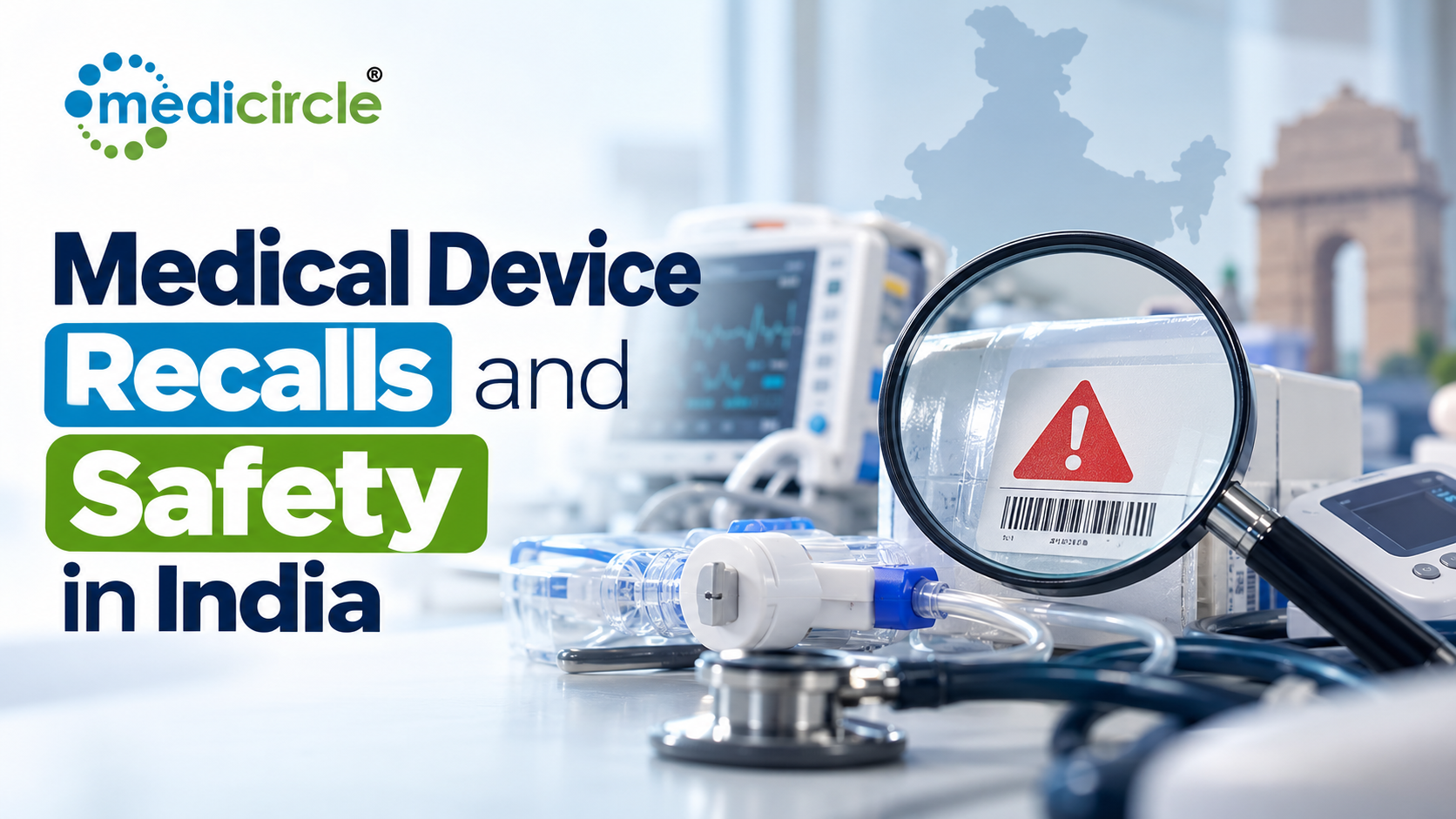
On August 5, 2025, Sun Pharmaceuticals Industries Inc.’s U.S. arm, responsible for supplying Spironolactone tablets (USP 25 mg, 100-count) manufactured by Frontida BioPharm Inc., voluntarily issued a Class II recall, citing the presence of aluminum as a contaminant, an alarming, foreign intruder in medication meant to heal . That recall, recognized two days later by the U.S. FDA as Class II which signals possible temporary or medically reversible harm brings stark visibility to what can go wrong in the pharmaceutical chain .

Patients, clinicians, and pharmacists found themselves on alert. Spironolactone is more than a pill, it’s a stabilizer for hearts under strain, fluids piling up, and blood pressure spiking. It’s prescribed across outpatient clinics, ICU wards, and even remote dispensaries. When that foundation shakes, the ripple reaches clinics, pharmacies, and patient homes.

The story, woven through the corridors of manufacturing and regulation, starts in Philadelphia and travels through auditing, packaging, distribution, and, finally, to consumers. Somewhere along that chain, aluminum seeped into the formulation. Its source remains a mystery but its principle is clear: medication production cannot be taken for granted.

In India, Sun Pharma is a household name. Reliable access and generics at low costs are part of its brand, even as its operations span continents. A recall of this magnitude is rare and sharpens a question: how prepared are regulatory systems to prevent, detect, and respond when trusted medicines fail?

Patients who find bottles labeled P3314 with an expiration of November 2026 must check their supply carefully. Healthcare providers must offer immediate guidance on safe alternatives, disposal protocols, and treatment recalibration. For many, it’s an ordeal not just of inconvenience, but of anxiety or even clinical risk.

Across wards and clinics, doctors face the choice of prescribing replacements or delaying treatment. Pharmacists are called to verify returns, resolve billing issues, and counsel worried patients. Supply managers must scramble to find replacements without breaking inventory or budgeted plans. Underneath, medical care stitches itself through uncertainty.

But the systemic strain doesn’t justify alarm, it demands rethinking. Medication manufacturing involves thousands of steps, stakeholders, and machinery. Contamination can arise from a faulty batch of raw material, equipment corrosion, or even packaging failures. Controls must be airtight. Laboratory testing, process validation, and recall mechanisms aren’t optional they’re lifelines.

In U.S. regulatory terms, Class II recalls, like this one, denote a serious red flag yet not a doomsday alarm. Exposure may cause temporary harm but it also tests readiness. Recall communications should be immediate, clear, and guidance must be actionable . In India, where similar products may still be getting manufactured or supplied, vigilance is heightened but the country’s system must also respond with equal urgency.

This incident also highlights the blurred lines between generic and branded safety perception. Patients often assume generics, because they’re cheaper, must be equally safe. But ‘bioequivalence’ doesn’t imply manufacturing inviolability. Recent history in India has seen recalled drugs like ARBs contaminated with nitrosamines, cancer-linked impurities that warranted global action. Today’s Spironolactone recall reinforces that generics are not risk-free by default they also require oversight.

Then there’s reputational fallout. Sun Pharma must act with transparency issuing recalls, guiding returns, and supporting displaced patients. Institutions like Frontida face scrutiny, regulatory inspections, and perhaps revalidation. In an era where information travels fast, every day of silence becomes a setback in trust.

Yet, through this episode, there lies a silver lining: reinforcement of systems that protect patients. Regulatory agencies can't just react, they must anticipate, audit, and spotlight quality. Hospitals must maintain open communication channels for such emergencies. Clinicians must stay alert beyond prescribing to verifying supply integrity. Patients must feel empowered to question. And pharmacies must back recall notices without friction. Recognizing that medicine errs, and responsibility matters more than profit. If manufacturing dips in quality, recall infrastructure must rise in responsiveness.

Sun Pharma’s recall is not just a headline, it is a wakeup call. A reminder that in healthcare, excellence is not a deliverable, it is a daily appointment. Precision in dosing means nothing if the drug contains the wrong substance. Safety extends beyond active ingredients to purity. And when a simple pill becomes suspect, every organization in the chain must listen.

In ending, let this tale of bottles recalled be more than cautionary. Let it be a prompt to throttle up quality, not cut corners; to center patient safety, not supply speed. That’s the real prescription for better health systems because trust, once broken, is not easily refilled.

Tags : #MedicationSafety #PatientSafety #PharmaAlert #HealthWatch #SafeMeds #FDARecall #PharmaRegulation #QualityControl #HealthcareTrust #MedicineMatters #HealthcareAccountability #PharmaTransparency #MedicalEthics #SystemicSafety #smitakumar #medicircle

Related Stories

Loading Please wait...

-Advertisements-


Trending Now

Pediatric Immunity: Realities of Seasonal Vaccines & DevelopmentJuly 14, 2026
Hormonal Imbalances in Women: PCOS and Perimenopause July 14, 2026
Erectile Dysfunction and Overall Health: Why It Is a Signal, Not Just a SymptomJuly 14, 2026
PCOS and Fertility Connection: What Every Woman Trying to Conceive Should KnowJuly 14, 2026
Prostate Health for Indian Men: Screening, Symptoms, and CareJuly 13, 2026
Polycystic Kidney Disease: Symptoms, Diagnosis, and ManagementJuly 13, 2026
Lifestyle Diseases Increasing in India: Causes and PreventionJuly 13, 2026
Men's Health Problems After 40: What Every Indian Man Should KnowJuly 13, 2026
Interventions in Facial Nerve Pathology: Bell’s Palsy & Ramsay HuntJuly 11, 2026
Public Health Literacy: Global Health Days for Wellness ActionJuly 11, 2026
Cholesterol Explained: Good vs Bad Cholesterol and What It Means for Your HeartJuly 11, 2026
Role of Technology in Hospitals: How Indian Healthcare is Being ReshapedJuly 11, 2026
Deciphering Rare Autoimmune Conditions: The Road to an Accurate Diagnosis July 10, 2026
Deciphering the Gut Microbiome: How Gut Health Influences Systemic Immunity July 10, 2026
175 years after ancestors left UP, Indo-Trinidadian infant receives rare liver transplant at Apollo DelhiJuly 10, 2026
Fortis Escorts Faridabad Strengthens Advanced Care Ecosystem with Launch of: Fortis Cancer Institute Institute of Neurosciences Centre of Excellence in Critical Care and ECMOJuly 10, 2026
India’s first focused health AI Conclave unites doctors and AI expertsJuly 10, 2026
University of Leeds Opens Applications for MSc Biotechnology with Business Enterprise for Indian StudentsJuly 10, 2026
How Doctors Are Changing the Face of Indian HealthcareJuly 10, 2026