 Thursday, October 08, 2026
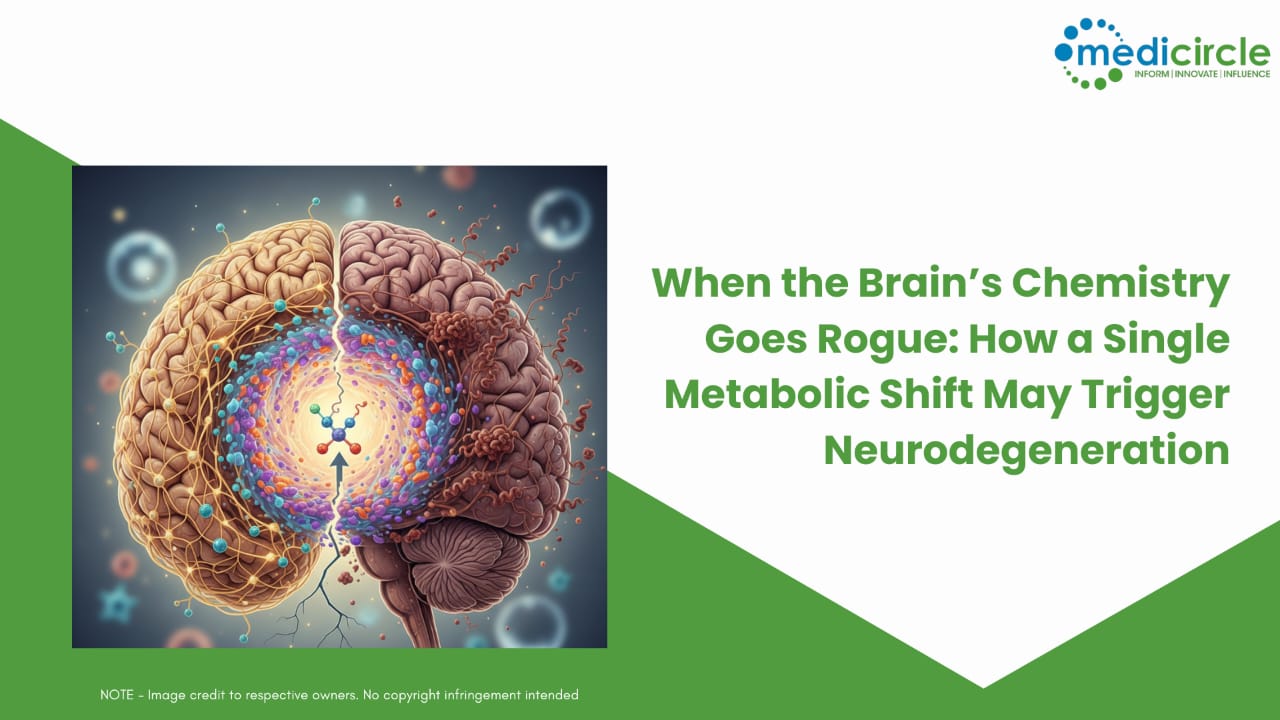
 The story of tryptophan, once reduced to a sleep aid myth, now appears far more consequential and reminds us that small molecules, guided by the right regulators, can shape the fate of the brain.




For decades, tryptophan has lived in the public imagination as the nutrient that makes people sleepy after a heavy meal. That image is convenient, simple, and deeply misleading. In reality, this essential amino acid sits at the junction of brain health, emotional stability, energy metabolism and long-term neurological resilience. What scientists are now discovering is that when the body loses control over how tryptophan is used, the consequences may reach far beyond disturbed sleep, shaping the very trajectory of brain ageing and neurodegenerative disease.
Tryptophan cannot be produced by the human body and must come from food. Once inside the system, it is distributed across several critical biochemical routes. One pathway allows cells to build proteins and maintain tissue integrity. Another fuels the production of NAD+, a molecule central to cellular energy and repair. A third route leads to serotonin and melatonin, chemical messengers that govern mood, learning, memory and circadian rhythm. Under healthy conditions, the body carefully balances these competing demands, ensuring that no single pathway dominates at the expense of the others.
As the brain grows older, or when it is affected by psychiatric or neurodegenerative illness, this balance begins to shift. Researchers have observed for years that tryptophan metabolism becomes distorted in ageing brains, and even more severely altered in conditions such as depression, cognitive decline and neurodegenerative disorders. Serotonin levels fall, sleep patterns fragment, learning becomes more difficult and emotional regulation weakens. At the same time, alternative metabolic routes become overactive, producing compounds that can inflame or damage neural tissue. What remained unclear was why this shift occurs and what molecular switch controls it.
Recent work led by Prof. Debra Toiber at Ben-Gurion University of the Negev has brought new clarity to this puzzle. Her team has identified a longevity-associated protein that appears to act as a master regulator of tryptophan metabolism in the brain. When this protein is absent or dysfunctional, the entire system tilts toward a harmful state. The findings, published in Nature Communications, point to a previously hidden mechanism that may link ageing, mood disorders and neurodegeneration through a single metabolic fault line.
At the centre of this discovery is SIRT6, a member of the sirtuin family of proteins that has long been associated with DNA repair, metabolic control and lifespan regulation. Sirtuins are often described as guardians of cellular stability, responding to stress and helping cells adapt to changing conditions. Until now, SIRT6 was not widely recognised as a direct controller of tryptophan metabolism in the brain. Prof. Toiber’s work changes that understanding.
Using a combination of cellular studies, fruit fly models and mouse experiments, the researchers demonstrated that SIRT6 actively directs the expression of genes responsible for processing tryptophan. Under normal conditions, SIRT6 helps maintain a healthy distribution of tryptophan use, supporting neurotransmitter production and neural protection. When SIRT6 is lost, this genetic guidance collapses. The metabolic flow is diverted away from serotonin and melatonin synthesis and pushed toward the kynurenine pathway, a route increasingly associated with neurotoxicity and cognitive decline.
This shift has profound biological consequences. The kynurenine pathway produces metabolites that can overstimulate neurons, disrupt synaptic communication and promote inflammation within the brain. Over time, these changes can accelerate neural damage and impair motor and cognitive function. In the models studied by Prof. Toiber’s team, the absence of SIRT6 led to clear signs of neurological deterioration, including movement deficits and structural damage within brain tissue. These changes mirror features seen in human neurodegenerative disease, offering a compelling biological link between metabolic imbalance and brain pathology.
What makes this discovery particularly striking is that the damage did not appear irreversible. By targeting a key enzyme within the kynurenine pathway, known as TDO2, the researchers were able to restore balance in their experimental models. In fruit flies lacking SIRT6, inhibiting TDO2 significantly improved motor function and reduced structural brain abnormalities. This finding suggests that even when upstream regulatory systems fail, there may be therapeutic opportunities to intervene downstream and prevent further harm.
The implications of this work extend beyond basic neuroscience. Mental health disorders and neurodegenerative diseases place an enormous burden on individuals, families and healthcare systems worldwide. Conditions such as depression, dementia and Parkinson’s disease are often treated symptom by symptom, without addressing the underlying biological processes that drive progression. The identification of a central metabolic regulator opens the door to a more integrated approach, one that targets the root of neural vulnerability rather than its outward manifestations.
This research also reinforces the growing recognition that brain health is deeply intertwined with metabolic health. The brain is not an isolated organ operating independently of the body’s biochemical state. It is exquisitely sensitive to shifts in energy balance, nutrient availability and molecular signalling. When systems that evolved to maintain equilibrium begin to fail, the effects ripple outward, affecting cognition, emotion and behaviour.
The role of tryptophan metabolism in this context is especially important. Serotonin deficiency has long been linked to depression and anxiety, while disrupted melatonin production contributes to sleep disorders that further impair mental health. At the same time, excessive activation of the kynurenine pathway has been observed in patients with neurodegenerative and psychiatric conditions. What Prof. Toiber’s work adds is a unifying explanation for how these seemingly separate observations may be connected through a single regulatory protein.
There are also important ageing-related implications. SIRT6 has been associated with longevity in multiple studies, and its decline may be part of the natural ageing process. If reduced SIRT6 activity leads to harmful shifts in tryptophan metabolism, this could help explain why older adults are more vulnerable to sleep disturbances, mood changes and cognitive decline. It also raises the possibility that preserving SIRT6 function, or compensating for its loss, could become a strategy for promoting healthier brain ageing.
This research does not suggest that dietary tryptophan itself is the problem. Simply consuming more or less of the amino acid is unlikely to correct the underlying issue. The problem lies in how the brain chooses to use what it has. That choice is governed by molecular regulators such as SIRT6, which respond to cellular stress, energy availability and genetic programming. Understanding these regulators offers a far more precise target for intervention than broad nutritional changes.
The study also highlights the value of cross-species research. By demonstrating consistent effects in cells, insects and mammals, the findings gain strength and relevance. While human biology is more complex, the conservation of these metabolic pathways across species suggests that similar mechanisms may operate in the human brain. Future clinical research will be needed to explore this possibility and to determine whether drugs targeting enzymes like TDO2 can safely and effectively slow or prevent neurological decline in people.
This research offers a reminder that brain health is shaped by invisible processes unfolding over years and decades. Sleep quality, emotional resilience and cognitive clarity do not depend on single chemicals or isolated habits. They emerge from a delicate biological balance that can be disrupted by ageing, disease and molecular dysfunction. Protecting that balance requires sustained scientific attention and a willingness to look beyond surface explanations.
As Prof. Toiber has noted, positioning SIRT6 as an upstream therapeutic target reframes how scientists think about neurodegeneration. Instead of viewing conditions like dementia or motor decline as inevitable consequences of ageing, this work suggests they may be, at least in part, the result of correctable metabolic errors. If future research confirms these findings in humans, it could mark a shift toward more preventive, biology-driven approaches to brain health.
In an era where neurological and psychiatric disorders are rising alongside longer life expectancy, such insights are urgently needed. The story of tryptophan, once reduced to a sleep aid myth, now appears far more consequential. It is a reminder that small molecules, guided by the right regulators, can shape the fate of the brain. When that guidance is lost, the consequences can be severe. When it is restored, there may still be time to change the story





.jpeg)








.jpg)
.jpg)
.jpg)
.jpg)
.jpg)
.jpg)


.jpg)
.jpg)
.jpg)