Tuesday, October 27, 2026
 As more women use these medications globally and as research expands, the world will gain a clearer picture of how these powerful drugs shape reproductive outcomes.




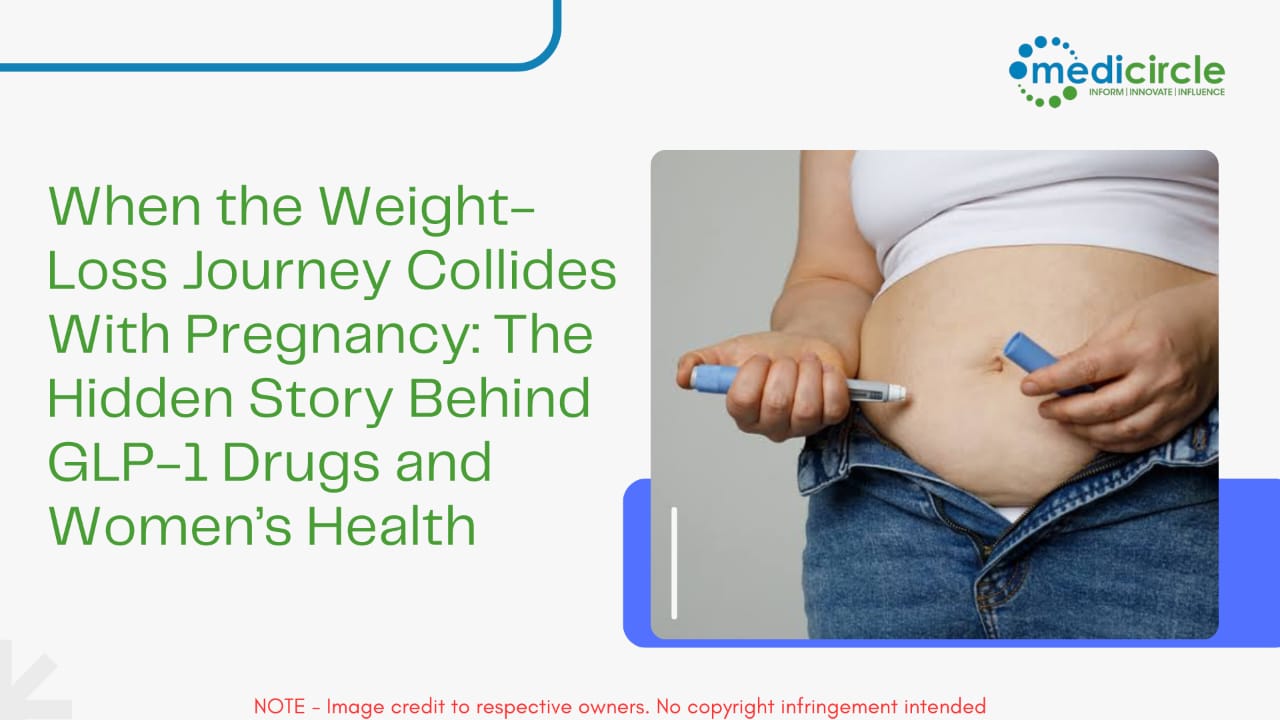
The rise of GLP-1 medications has changed the way young women across the world think about weight loss, metabolic health, and long-term wellbeing. These drugs swept into the market with the promise of a slimmer, stronger, more confident life, and for many women, they delivered exactly that. In urban India, prescriptions for brands like Mounjaro and Wegovy have climbed sharply, driven by a new generation that is health-aware, image-conscious, and eager to take charge of lifestyle diseases before they settle in. The arrival of these medications did not just reshape obesity care, it created a cultural shift where women in their twenties and thirties began seeing medical weight management as a normal part of self-care. This shift has been powerful, especially in a country where metabolic risks are rising faster than ever and where young women juggle stress, demanding careers, family responsibilities, and a constant pressure to stay fit. Yet, in the middle of this fast-moving tide, a question has surfaced without clear answers: what happens when a woman using GLP-1 therapy decides to have a baby?
A new study published in JAMA attempts to answer this question, and its findings have struck a chord in the medical community. The research followed nearly 150,000 singleton pregnancies in the United States between 2016 and 2025, offering one of the largest real-world insights into how these drugs may influence pregnancy once they are stopped. Most of the women had been on GLP-1 medications before conception and discontinued them after learning they were pregnant, following standard medical advice. Since data on how these drugs affect unborn babies is still limited, physicians usually recommend stopping them when trying to conceive or immediately after pregnancy is confirmed. But what the study reveals goes beyond a simple cause-and-effect relationship. It opens a window into how the body reacts when the metabolic support of GLP-1 therapy suddenly disappears at the very moment pregnancy begins i.e. a phase already marked by dramatic hormonal changes, increased appetite, and rapid physiological shifts.
Women who had used GLP-1 therapy before pregnancy gained an average of 3.3 kilograms more during gestation compared to those who had never been on these medications. This weight gain wasn’t just a number; it translated into a higher rate of excessive gestational weight gain, affecting nearly two-thirds of the women in this group. Their babies also showed higher birth-weight percentiles, suggesting that the adverse effect of these medications may extend into the womb even after the drug is stopped. The study also revealed an increased risk of preterm delivery, occurring in 17 percent of pregnancies among women previously exposed to GLP-1 drugs, compared to 13 percent in the unexposed group.
The pattern continued with gestational diabetes, which was more common among these women (20 % vs 15 %). Hypertensive disorders during pregnancy were also reported more frequently. Interestingly, some expected differences, like overall birth weight, caesarean delivery rates, or the proportion of babies classified as large or small for gestational age, did not show significant variation. These nuances highlight that while GLP-1 therapy influences certain pregnancy-related outcomes, its effects may not align neatly with conventional assumptions about fetal growth or delivery patterns.
To understand these outcomes better, we must look at what GLP-1 drugs actually do. They mimic a hormone that regulates appetite, slows digestion, and helps stabilize blood sugar. When a woman discontinues the therapy, especially after months of relying on its metabolic support, the body often rebounds where hunger increases, digestion speeds up, and weight gain becomes more likely. During pregnancy, this rebound effect collides with a natural tendency towards weight gain, making the trajectory even sharper. The study sheds light on this interplay, which many clinicians have suspected but were unable to quantify until now.
The conversation around GLP-1 therapy and pregnancy is complex, layered, and evolving. It touches the dreams of young women who want to feel healthy and confident in their bodies, yet also want safe pregnancies and healthy children. It forces the medical community to balance modern weight-loss treatments with timeless maternal needs. It raises questions for policymakers in countries like India, where obesity, diabetes, and PCOS are rising sharply among young women, creating a generation that often needs metabolic help at an early age. At the same time, India’s fertility patterns are shifting where more women are choosing to delay pregnancy, and many are seeking medical support to manage chronic conditions even before they think about starting a family.
The intersection of weight-loss medications and pregnancy deserves careful attention, not alarm. The new study offers vital insight, but it is not the final word. It does not imply that GLP-1 drugs are harmful during pregnancy, the data simply does not exist yet to make that conclusion. Instead, it highlights that discontinuing these medications has consequences, and those consequences matter when a woman enters pregnancy. It reminds us that metabolic transitions affect both mother and child, and that hormonal balance is delicate, especially when assisted by medication. The findings also bring forth a need for structured guidelines tailored to women who plan pregnancies in their late twenties or thirties while using GLP-1 therapy.
This moment presents an opportunity to strengthen counseling for women of reproductive age. Physicians may need to discuss pregnancy plans more openly, guide women on when to begin or stop therapy, and outline the risks of sudden withdrawal. Women deserve to understand how their bodies may respond, especially in the early weeks of pregnancy when changes happen quietly but rapidly. As GLP-1 drugs continue to gain popularity, education becomes as crucial as access.
If anything, this study sheds light on an invisible gap in women’s healthcare, a gap between the desire to manage metabolic health and the desire to conceive safely. In giving women a tool to take control of their weight, modern medicine has created a new responsibility to explain how that tool interacts with fertility, pregnancy, and long-term maternal health. The answers will require more research, more dialogue, and more empathy for the millions of women navigating these intertwined journeys.
The story of GLP-1 therapy and pregnancy is far from over. As more women use these medications globally and as research expands, the world will gain a clearer picture of how these powerful drugs shape reproductive outcomes. For now, this study serves as an important compass pointing towards the questions that matter, the precautions that are needed, and the balance that modern women must maintain as they move between weight loss and motherhood. In the end, it is a reminder that every medical breakthrough carries layers beneath its surface, and every woman deserves clarity as she makes decisions that shape her body, her future, and her family.




-23-300x250.png)

.jpeg)


.jpg)
.jpg)
.jpg)
.jpg)
.jpg)
.jpg)
.jpg)
.jpg)
.jpg)