 Tuesday, October 27, 2026
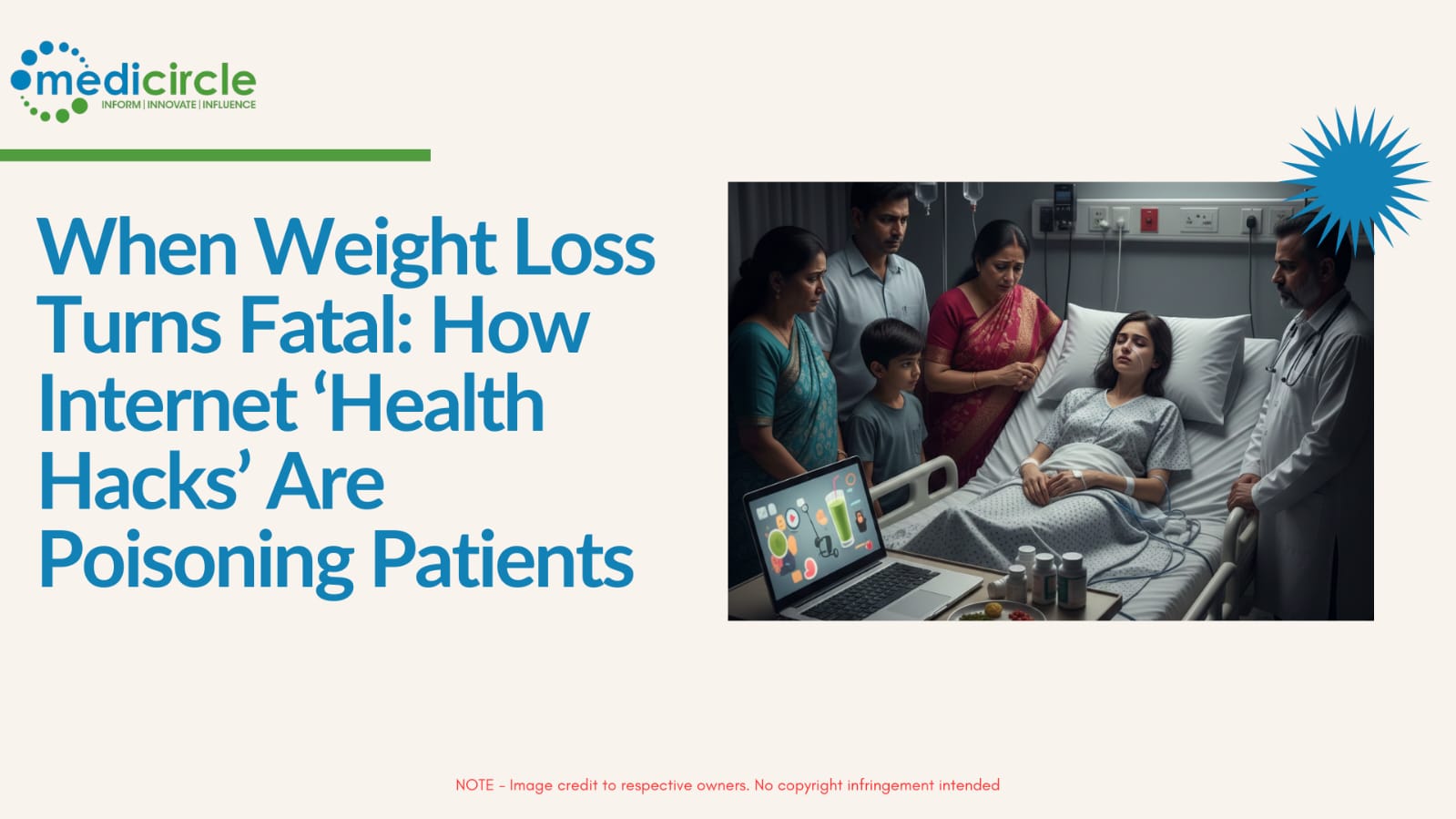
 Patients deserve better than algorithm-driven healthcare. They deserve clarity, safety, and respect for their intelligence.




The death of a young college student in Tamil Nadu after allegedly consuming borax in the hope of losing weight is not just a tragic headline. It is a warning bell that patients, families, and even educated young adults can no longer afford to ignore. What looks like an isolated incident at first glance is, in reality, the visible tip of a much deeper crisis brewing in the digital age of health advice. Across social media timelines, short videos, reels, and confidently delivered monologues are blurring the line between wellness and danger, turning ordinary household chemicals into so-called cures and convincing vulnerable patients that quick fixes are safer than slow science.
Borax, a substance most people recognise from detergent packets or pest control products, has suddenly found a disturbing new identity online. In viral videos circulated on platforms like YouTube and Instagram, it is described as a “natural mineral,” a “traditional remedy,” or a “forgotten solution” for weight loss, cough, dandruff, menstrual pain, and even hormonal balance. The tone is persuasive, almost intimate, as creators speak directly to viewers who are tired of diets, medicines, and medical appointments. For a patient desperate to lose weight or relieve pain, such content can feel like a lifeline rather than a threat.
The reality, however, is brutally different. Borax, also known as sodium borate or sodium tetraborate, is not food, not medicine, and certainly not safe for human consumption. It is a chemical salt used in cleaning agents, glass manufacturing, insecticides, and laundry products. Consuming it is not a form of alternative therapy; it is poisoning. Medical science has been clear about this for decades, yet the speed and reach of social media have managed to resurrect a dangerous myth and dress it up as wellness wisdom.
This is not about attacking traditional systems of medicine or dismissing natural therapies. It is about the reckless misinterpretation of old texts, half-understood chemical names, and the dangerous habit of equating “natural” with “harmless.” In legitimate traditional medicine systems, formulations are purified, processed, and prescribed by trained practitioners who understand dose, interactions, and patient suitability. What is happening online today strips away all that context and replaces it with guesswork and confidence.
Weight loss content dominates digital platforms because it taps into deep emotional insecurities. Many patients feel judged in clinics, rushed during consultations, or disappointed by slow results. When a video promises rapid fat loss using a spoonful of something “ancient” and “chemical-free,” it offers hope without effort. But hope built on misinformation can be lethal. Doctors warn that ingesting borax can cause nausea, vomiting, severe diarrhoea, dehydration, kidney damage, and metabolic disturbances. With repeated use or higher doses, it can lead to organ failure and death.
The U.S. National Library of Medicine has clearly documented the toxic effects of borax and boric acid ingestion. These are not rare side effects or theoretical risks. They are well-established outcomes observed in clinical toxicology. Yet none of this makes it into viral reels. There are no warnings, no contraindications, no mention of emergency symptoms. What patients see instead is a smiling face, a casual tone, and a claim that “doctors don’t want you to know this.”
This growing mistrust between patients and the medical system is what makes such misinformation particularly dangerous. Many patients consuming borax or similar substances do not even tell their doctors. Some feel embarrassed, others fear judgement, and many genuinely believe they are doing something healthy. By the time symptoms appear, the damage may already be severe. Doctors then face the double challenge of treating toxicity while also rebuilding trust.
In an age where information is everywhere, how does one decide what is safe? The answer is uncomfortable but necessary: real healthcare rarely comes in shortcuts. Sustainable weight loss requires lifestyle changes, medical evaluation, and sometimes long-term support. Pain relief needs proper diagnosis. Hair and skin problems often signal deeper nutritional or hormonal issues. Swallowing a cleaning chemical cannot fix these problems, no matter how confidently it is presented.
There is also a cultural angle that deserves attention. Many videos misuse terms from Ayurveda or traditional medicine to justify dangerous practices. Patients who respect these systems may feel reassured by familiar words, not realising that the substance being recommended is not part of any legitimate therapeutic protocol. This misuse harms both patients and the credibility of traditional medicine itself. Doctors repeatedly stress that this is not a clash between modern and traditional medicine, but between science and misinformation.
The Tamil Nadu tragedy should force a shift in how patients consume healthcare content. Blind trust in viral trends is no longer harmless experimentation; it is a serious risk. Families must talk openly about what they see online. Patients should feel empowered to ask their doctors about anything they are considering, without fear of ridicule. Healthcare professionals, too, may need to adapt by addressing online myths proactively rather than dismissing them.
Media organisations like Medicircle have a crucial role to play here. Patient-centric health journalism must go beyond reporting incidents and start explaining the “why” behind them. Why do people fall for such advice? Why do quick fixes feel more attractive than clinical guidance? And why has the responsibility of health education shifted from hospitals to handheld screens? Answering these questions honestly can save lives.
The borax incident is not an isolated case. Today it is a detergent chemical. Tomorrow it could be an industrial solvent, a veterinary drug, or an untested supplement. The pattern remains the same: a problem, a promise, and a price paid in detroited health. Patients deserve better than algorithm-driven healthcare. They deserve clarity, safety, and respect for their intelligence.
Ultimately, this is about reclaiming health decisions from noise. No reel, no influencer, and no anonymous comment section can replace evidence-based medical advice. Weight loss, wellness, and healing are journeys, not stunts. The cost of forgetting that fact is now painfully clear.
Source: ndtv.com




-23-300x250.png)

.jpeg)




.jpg)
.jpg)
.jpg)
.jpg)
.jpg)
.jpg)
.jpg)
.jpg)
.jpg)



