 Thursday, October 08, 2026
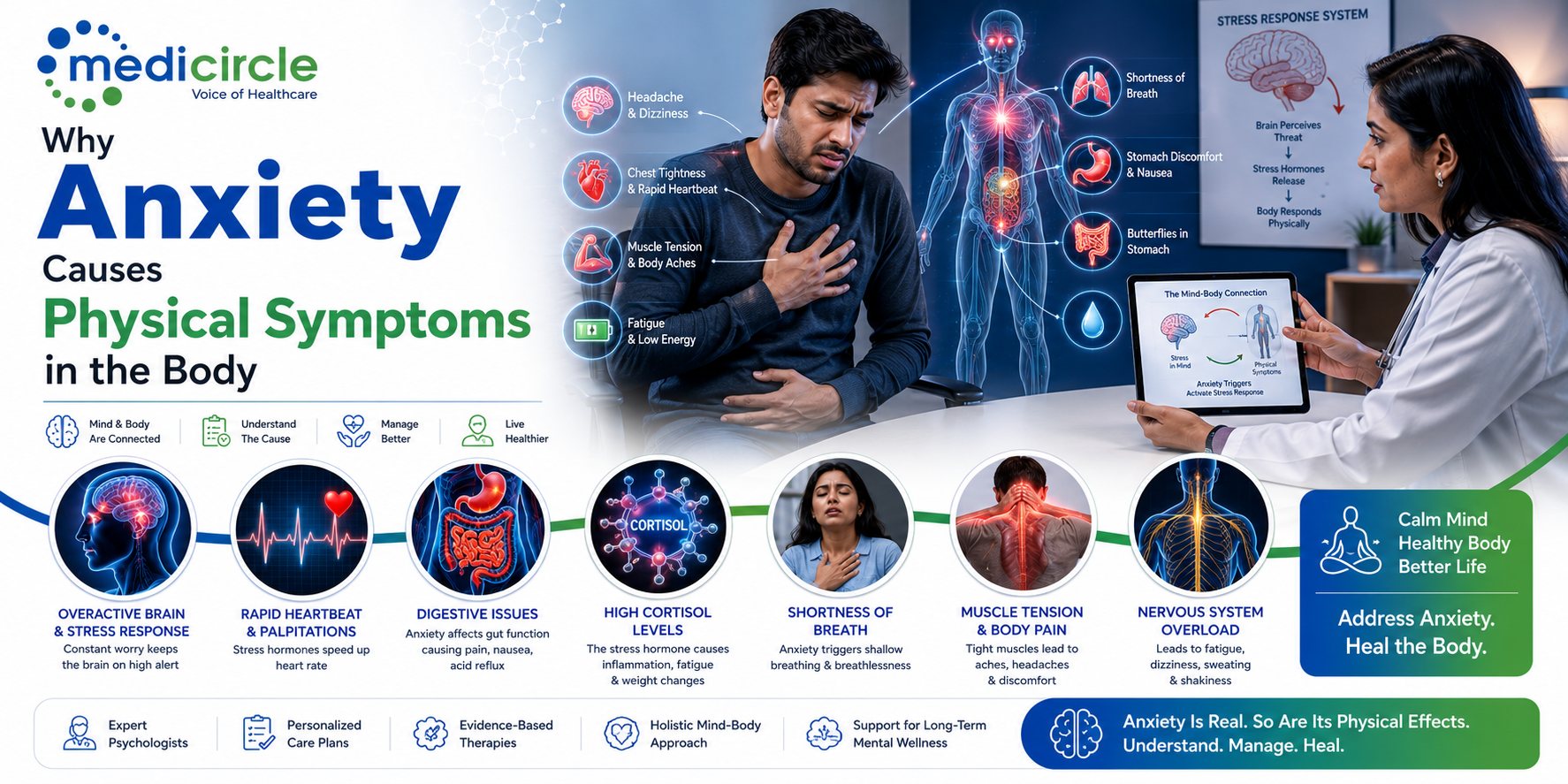
 Anxiety is not only an emotional experience. It can also create real physical symptoms through the body’s stress-response system, affecting breathing, digestion, muscles, sleep, heart rate, and energy levels. This is why many people experiencing chronic stress or emotional overload often feel physically exhausted, tense, dizzy, or unwell even when medical tests appear normal.




Many people associate anxiety with racing thoughts, overthinking, nervousness, or emotional stress. However, anxiety often affects the body just as strongly as the mind. Someone experiencing ongoing anxiety may develop headaches, fatigue, digestive discomfort, dizziness, chest tightness, muscle tension, rapid heartbeat, or shortness of breath without immediately realizing stress is contributing to those symptoms.
This happens because the brain and body constantly communicate through the nervous system. When anxiety activates the body’s stress response repeatedly, physical systems remain in a heightened state of alertness. Over time, this can create symptoms that feel deeply physical and sometimes overwhelming.
A person dealing with chronic stress may wake up feeling exhausted despite sleeping, experience stomach discomfort before stressful events, or notice constant shoulder tension during emotionally demanding periods. These symptoms are not “imagined.” They are real physiological responses connected to how anxiety affects the nervous system.
Modern lifestyles may intensify this issue further. Long work hours, emotional burnout, constant notifications, financial pressure, sleep disruption, and digital overstimulation can keep the body under continuous low-level stress. As a result, physical anxiety symptoms are becoming increasingly common across all age groups.
Understanding the Body’s Stress Response
The physical effects of anxiety begin with the body’s natural survival system, commonly known as the fight-or-flight response.
How the Brain Reacts to Anxiety
When the brain perceives danger, uncertainty, emotional stress, or pressure, it activates stress-related regions such as the amygdala and hypothalamus. These areas signal the body to release stress hormones including cortisol and adrenaline.
In short-term situations, this response is useful because it prepares the body to react quickly during emergencies. The heart beats faster, muscles tighten, breathing increases, and alertness improves temporarily.
However, modern anxiety is often psychological rather than physical. The body may react to deadlines, social pressure, overthinking, emotional conflict, or financial stress in the same way it would react to immediate physical danger.
When this response becomes chronic, the nervous system struggles to fully relax.
Why Chronic Anxiety Feels Physically Exhausting
The body is not designed to remain in survival mode continuously. Persistent stress activation gradually drains physical and mental energy.
Over time, chronic anxiety may contribute to:
- Constant muscle tension and body aches
- Mental fatigue and brain fog
- Sleep disruption and daytime exhaustion
- Digestive discomfort and appetite changes
- Increased heart rate and chest tightness
- Emotional exhaustion and irritability
This explains why people with anxiety often say they feel both mentally and physically tired simultaneously.
Why Anxiety Causes Muscle Tension and Body Pain
One of the most common physical symptoms of anxiety is persistent muscle tension.
How Stress Tightens the Muscles
During stress, muscles automatically contract to prepare the body for action. In short bursts, this response is temporary. With chronic anxiety, muscles may remain partially tense for extended periods without the person fully noticing.
This prolonged tension commonly affects:
- The neck and shoulders
- Jaw muscles
- Upper back
- Forehead and scalp
- Chest muscles
Someone working under constant pressure may unconsciously clench their jaw throughout the day or tighten their shoulders while concentrating. Over time, this can lead to headaches, stiffness, soreness, and physical fatigue.
Anxiety and Tension Headaches
Stress-related muscle tension is also strongly linked to tension headaches.
These headaches are often described as:
- Pressure around the forehead
- Tightness behind the eyes
- Neck-related pain
- A heavy or band-like sensation around the head
Because anxiety keeps muscles activated for long periods, the body may begin feeling physically drained even without intense physical activity.
The Connection Between Anxiety and Fatigue
Many people experiencing chronic anxiety report feeling exhausted almost constantly.
Why Anxiety Drains Energy
The nervous system uses significant energy when remaining in a heightened stress state. Constant emotional vigilance, overthinking, and stress hormone activity gradually wear down mental and physical energy reserves.
Several factors contribute to anxiety fatigue:
- Continuous mental alertness
- Poor sleep quality
- Increased muscle tension
- Emotional overstimulation
- Stress hormone imbalance
- Reduced nervous system recovery
Someone with anxiety may spend the entire day mentally preparing for possible problems, replaying conversations, or worrying about future situations. Even though the body appears inactive externally, the brain is working continuously.
Why Rest Does Not Always Fix the Exhaustion
Many individuals with chronic anxiety sleep for several hours yet still wake up tired. This often happens because stress affects sleep quality rather than only sleep duration.
Anxiety may lead to:
- Light or fragmented sleep
- Frequent waking during the night
- Difficulty falling asleep
- Racing thoughts before bed
- Increased nighttime alertness
As sleep quality declines, mental fatigue, irritability, and cognitive exhaustion become worse.
How Anxiety Affects the Digestive System
The digestive system is highly connected to the nervous system, which is why anxiety frequently affects the stomach and intestines.
The Gut-Brain Connection
The gut and brain constantly communicate through neural and hormonal pathways. Stress and anxiety can alter digestion, appetite, and gut sensitivity.
During anxiety, the body prioritizes survival-related functions rather than digestion. As a result, digestive activity may slow down or become irregular.
Common digestive symptoms linked to anxiety include:
- Nausea
- Bloating
- Stomach discomfort
- Appetite changes
- Acid reflux
- Diarrhea or constipation
- Sensation of “butterflies” in the stomach
For example, many people experience stomach discomfort before presentations, interviews, exams, or emotionally stressful situations because the nervous system directly influences digestive activity.
Anxiety and Irritable Bowel Symptoms
Chronic anxiety often overlaps with digestive conditions such as irritable bowel syndrome (IBS). Stress may increase gut sensitivity and worsen digestive symptoms even when no structural problem is present.
This demonstrates how emotional stress can create very real physical discomfort throughout the body.
Why Anxiety Causes Chest Tightness and Rapid Heartbeat
Physical symptoms related to the heart are among the most frightening experiences for many people with anxiety.
The Cardiovascular Stress Response
When anxiety activates the fight-or-flight response, the heart begins pumping faster to prepare the body for action. Breathing may also become quicker and shallower.
This can create symptoms such as:
- Rapid heartbeat
- Chest tightness
- Heart palpitations
- Shortness of breath
- Feeling unable to take a deep breath
- Pressure in the chest
These symptoms can feel alarming because they closely resemble serious medical conditions. Many people experiencing panic attacks initially believe they are having heart problems.
Hyperventilation and Dizziness
Anxiety may also alter breathing patterns. Rapid shallow breathing can reduce carbon dioxide balance in the body, contributing to:
- Dizziness
- Tingling sensations
- Lightheadedness
- Feeling faint
- Blurred focus
This is why emotional stress can sometimes feel physically overwhelming even in safe situations.
How Anxiety Affects the Brain and Cognitive Function
Chronic anxiety affects concentration, memory, and mental clarity.
Brain Fog and Cognitive Fatigue
When the brain remains focused on stress or threat detection, fewer cognitive resources remain available for attention and memory processing.
People with chronic anxiety often report:
- Difficulty concentrating
- Forgetfulness
- Brain fog
- Reduced mental clarity
- Trouble making decisions
- Feeling mentally overwhelmed
Someone under prolonged stress may reread the same paragraph repeatedly, forget simple tasks, or struggle to process information clearly.
Emotional Overload and Sensory Exhaustion
Modern environments often expose people to constant stimulation through notifications, multitasking, social media, and work demands. Anxiety increases sensitivity to this stimulation.
Over time, the brain may feel emotionally overloaded, contributing to:
- Irritability
- Emotional exhaustion
- Reduced patience
- Sensory overwhelm
- Mental tiredness
This helps explain why anxiety often feels physically draining even without visible physical exertion.
Anxiety, Sleep Problems, and Nervous System Exhaustion
Sleep and anxiety strongly influence one another.
Why Anxiety Disrupts Sleep
The nervous system must feel safe and relaxed to enter deep restorative sleep. Anxiety keeps the brain more alert, making this transition difficult.
Common sleep-related symptoms include:
- Racing thoughts at night
- Difficulty relaxing mentally
- Frequent nighttime waking
- Morning fatigue
- Feeling physically tired but mentally alert
Many individuals describe lying in bed exhausted while their thoughts continue racing uncontrollably.
The Cycle Between Anxiety and Sleep Deprivation
Poor sleep increases emotional sensitivity and stress reactivity the following day. This can worsen anxiety further, creating a repeating cycle:
Anxiety increases stress → Sleep quality declines → Emotional regulation worsens → Anxiety increases further.
Over time, this cycle contributes to chronic mental fatigue and nervous system exhaustion.
Why Physical Anxiety Symptoms Are Often Misunderstood
Many people struggle to connect physical symptoms with emotional stress because the symptoms feel intensely physical.
Anxiety Symptoms Can Mimic Other Conditions
Physical anxiety symptoms sometimes resemble:
- Heart problems
- Digestive disorders
- Neurological symptoms
- Chronic fatigue
- Hormonal imbalance
- Respiratory issues
Because of this overlap, individuals often become even more anxious about their symptoms, which may intensify the stress response further.
The Symptoms Are Real, Not Imagined
It is important to understand that anxiety-related symptoms are genuine physiological responses. Stress hormones, muscle activity, breathing patterns, immune signaling, and nervous system activation all create measurable physical changes.
The symptoms may begin emotionally, but the body experiences them physically.
How to Reduce Physical Symptoms of Anxiety
Managing physical anxiety symptoms usually involves calming both the nervous system and overall stress load gradually rather than seeking instant relief.
Support Nervous System Recovery
Helpful habits may include:
- Maintaining consistent sleep routines
- Reducing excessive digital stimulation
- Regular physical movement
- Spending time outdoors
- Deep breathing exercises
- Mindfulness and relaxation practices
- Balanced nutrition and hydration
Small consistent changes often support nervous system recovery more effectively than extreme routines.
Address Emotional Stress Directly
Many people focus only on physical symptoms while ignoring underlying emotional stress. However, unresolved anxiety often continues activating the body physically.
Professional support, therapy, counseling, or stress-management strategies may help address:
- Chronic overthinking
- Burnout
- Emotional overload
- Anxiety disorders
- Panic symptoms
- Stress-related exhaustion
Conclusion
Anxiety affects far more than thoughts and emotions. Through the nervous system and stress-response pathways, anxiety can influence muscles, digestion, sleep, energy levels, breathing, concentration, heart rate, and overall physical well-being.
This is why chronic anxiety often creates symptoms such as fatigue, headaches, dizziness, chest tightness, digestive discomfort, muscle tension, and brain fog. The body responds to emotional stress biologically, not just psychologically.
Understanding why anxiety causes physical symptoms helps reduce confusion and highlights the importance of supporting both mental and physical health together. When stress becomes chronic, the nervous system may struggle to fully recover, leading to ongoing emotional and physical exhaustion over time.
FAQs
Why does anxiety cause physical symptoms?
Anxiety activates the body’s stress-response system, releasing stress hormones that affect breathing, muscles, digestion, heart rate, and nervous system activity.
Can anxiety make you feel physically sick?
Yes. Anxiety may contribute to nausea, dizziness, fatigue, headaches, chest tightness, digestive discomfort, and body aches.
Why does anxiety cause chest tightness?
Stress hormones increase muscle tension and cardiovascular activity, which may create chest pressure, rapid heartbeat, or shortness of breath.
Can anxiety cause fatigue every day?
Yes. Chronic anxiety keeps the nervous system activated continuously, which may lead to mental fatigue and physical exhaustion.
Why does anxiety affect the stomach?
The gut and brain communicate closely through the nervous system. Stress and anxiety can alter digestion, appetite, and gut sensitivity.
Can anxiety cause dizziness and brain fog?
Yes. Changes in breathing patterns, stress hormones, poor sleep, and mental overload may contribute to dizziness and reduced mental clarity.
Why do muscles hurt during anxiety?
Muscles tighten automatically during stress. Prolonged tension may cause soreness, headaches, jaw pain, and stiffness.
Can anxiety affect sleep quality?
Yes. Anxiety often increases nighttime alertness, racing thoughts, and difficulty relaxing, which may reduce sleep quality.
Are physical anxiety symptoms real?
Yes. Anxiety-related symptoms involve real physiological changes within the nervous system, hormones, muscles, breathing, and cardiovascular system.
How can someone reduce physical symptoms of anxiety?
Improving sleep, reducing chronic stress, regular physical activity, relaxation practices, therapy, and healthier daily routines may help calm the nervous system and reduce physical anxiety symptoms.






.jpeg)








.jpg)
.jpg)
.jpg)
.jpg)
.jpg)
.jpg)


.jpg)
.jpg)
.jpg)