Tuesday, October 27, 2026
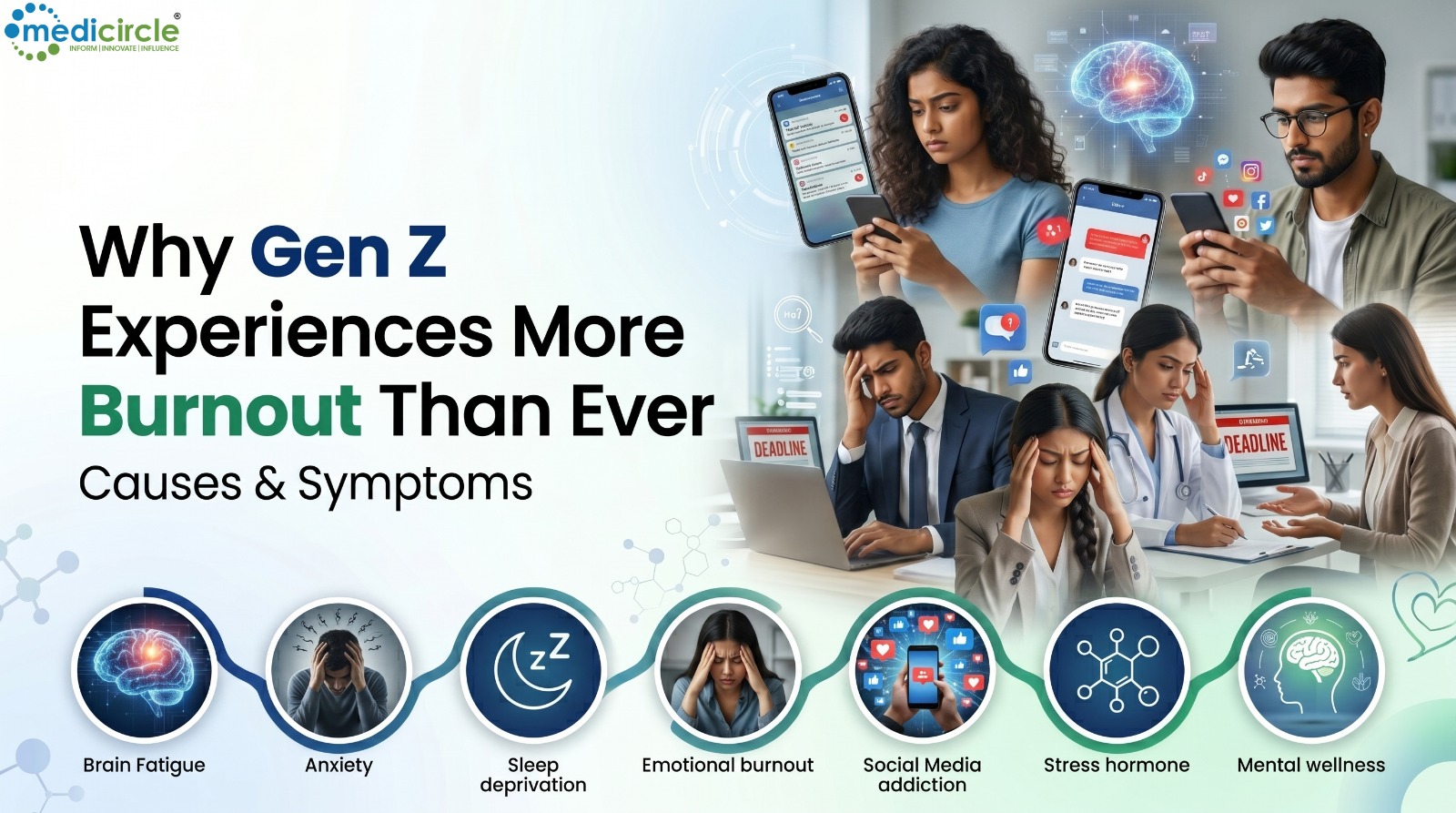
 Gen Z burnout has become one of the most discussed mental health and workplace concerns in recent years. Rising academic pressure, digital overload, economic uncertainty, and blurred work-life boundaries are contributing to increasing levels of mental exhaustion, emotional fatigue, and chronic stress among young adults.





Why Gen Z Experiences More Burnout Than Ever
Burnout is no longer limited to high-level executives or overworked professionals nearing retirement. Increasingly, younger adults in their late teens and twenties report feeling emotionally drained, mentally exhausted, constantly overwhelmed, and disconnected from motivation. The conversation around Gen Z burnout has grown because many young people experience chronic stress earlier in life than previous generations.
Unlike temporary tiredness, burnout affects emotional health, concentration, sleep quality, productivity, and even physical well-being. Many Gen Z individuals describe feeling “always on,” mentally overloaded, and unable to fully disconnect from responsibilities even during rest. While every generation has faced challenges, the combination of digital exposure, economic uncertainty, competitive work culture, and social comparison has created a unique environment that intensifies mental exhaustion and emotional fatigue.
What Is Burnout?
Burnout is a state of long-term physical, emotional, and mental exhaustion caused by prolonged stress. It develops gradually rather than suddenly. Many people initially dismiss it as temporary tiredness until symptoms begin affecting motivation, focus, sleep, and emotional stability.
Burnout Is More Than Feeling Tired
Feeling exhausted after a busy week is normal. Burnout is different because rest alone often does not restore energy levels completely. A person may sleep adequately yet continue feeling emotionally drained, mentally detached, or unable to focus.
Common experiences associated with burnout include:
- Persistent mental exhaustion
- Feeling emotionally numb or detached
- Reduced motivation and productivity
- Difficulty concentrating
- Increased irritability
- Brain fog and cognitive fatigue
- Sleep disturbances despite exhaustion
For many Gen Z individuals, burnout begins during school or university years and continues into professional life without a clear recovery period.
Why Gen Z Experiences Burnout More Intensely
Several overlapping factors contribute to rising Gen Z burnout levels. The issue is not caused by laziness or reduced resilience, as often assumed. Instead, many young adults are navigating continuous psychological stimulation, economic pressure, and emotional overload simultaneously.
The Digital Lifestyle Never Truly Stops
One major difference between Gen Z and previous generations is constant digital connectivity. Smartphones, social media platforms, messaging apps, work emails, and online notifications create an environment where the brain rarely experiences complete mental quietness.
Constant Connectivity Increases Cognitive Fatigue
Many young adults begin their day checking notifications and end the night scrolling through social media. Even moments intended for relaxation become mentally stimulating.
This ongoing exposure contributes to:
- Mental fatigue
- Reduced attention span
- Emotional overstimulation
- Difficulty disconnecting from work or studies
- Sleep disruption
- Information overload
The brain requires periods of recovery to process emotions, memories, and stress. Continuous stimulation prevents that recovery process from happening effectively.
Social Media Creates Invisible Emotional Pressure
Social media intensifies comparison culture. Young adults constantly observe curated versions of success, productivity, relationships, fitness, travel, and financial achievement.
A student struggling academically may open social media and see peers celebrating internships, achievements, or seemingly perfect lifestyles. Even when people intellectually understand that online content is filtered, the emotional impact remains significant.
Over time, this comparison cycle contributes to:
- Low self-esteem
- Anxiety fatigue
- Fear of falling behind
- Chronic self-criticism
- Emotional exhaustion
Many Gen Z individuals feel pressured to optimize every aspect of life simultaneously, including career growth, physical appearance, finances, friendships, and productivity.
Academic and Career Pressure Starts Earlier
Modern academic competition often begins at a young age. Many students feel pressure to maintain excellent grades, develop multiple skills, build online portfolios, gain internships, and remain professionally competitive before even entering full-time work.
Productivity Culture Has Changed Expectations
Today’s productivity culture often promotes the idea that every hour should be useful or monetized. Rest is sometimes viewed as unproductive rather than necessary for recovery.
Young professionals frequently juggle:
- Full-time work
- Side hustles
- Online certifications
- Networking
- Personal branding
- Social obligations
This creates an ongoing sense that they are never “doing enough.”
Unlike earlier generations that often experienced clearer separation between work and personal life, Gen Z frequently carries professional stress into evenings and weekends through phones and laptops.
Financial Uncertainty Increases Chronic Stress
Economic concerns play a major role in Gen Z burnout. Rising living costs, student debt, competitive job markets, and financial instability contribute to constant background stress.
The Pressure to Achieve Financial Stability Quickly
Many young adults feel pressure to achieve financial independence earlier while simultaneously dealing with increasing housing costs and uncertain employment opportunities.
Even individuals with stable jobs may feel anxious about:
- Career security
- Inflation
- Long-term savings
- Job automation
- Future financial stability
This chronic uncertainty keeps the nervous system in a prolonged stress state, which contributes to mental exhaustion and emotional fatigue over time.
The Pandemic Changed Emotional Resilience
The COVID-19 pandemic significantly altered how young adults experienced education, relationships, work, and emotional development. Many Gen Z individuals entered adulthood during a period marked by uncertainty, isolation, and disruption.
Emotional Development Was Interrupted
For some young adults, important social experiences, career beginnings, and educational milestones occurred during lockdowns or periods of prolonged isolation.
This contributed to:
- Increased loneliness
- Anxiety
- Reduced social confidence
- Emotional fatigue
- Difficulty maintaining routines
The long-term psychological impact continues to influence stress levels and coping abilities even years later.
Burnout Often Shows Up Physically
Burnout does not affect only emotions or productivity. Chronic stress influences multiple systems within the body.
Physical Symptoms of Burnout
Many people experiencing mental exhaustion notice physical symptoms such as:
- Frequent headaches
- Muscle tension
- Digestive discomfort
- Sleep disturbances
- Constant tiredness
- Brain fog
- Reduced immunity
- Low energy despite rest
These symptoms are often dismissed initially because they develop gradually.
Sleep Problems Worsen Emotional Exhaustion
Burnout frequently disrupts sleep quality. Many individuals experience difficulty falling asleep because the brain remains mentally active long after the day ends.
Late-night scrolling, work stress, and emotional overstimulation reduce the brain’s ability to fully transition into recovery mode. This creates a cycle where sleep deprivation worsens mental fatigue, making stress harder to manage the next day.
Why Burnout Feels Different for Gen Z
Older generations often associated burnout primarily with workplace overload. For Gen Z, burnout is usually more layered and continuous.
The pressure does not come from one source alone. It comes from multiple overlapping demands happening simultaneously:
- Digital overload
- Career competition
- Academic expectations
- Economic stress
- Social comparison
- Constant connectivity
- Emotional uncertainty
Because these pressures are ongoing, many young adults feel emotionally exhausted even during periods that should feel restful.
The Difference Between Healthy Ambition and Burnout
Ambition itself is not harmful. Many Gen Z individuals are highly motivated, creative, and career-focused. Problems arise when achievement becomes tied entirely to self-worth.
Burnout Often Begins With Overcommitment
A young professional may initially enjoy working hard, learning new skills, and staying productive. Over time, however, constant performance pressure without adequate recovery creates emotional depletion.
Warning signs include:
- Feeling guilty while resting
- Difficulty relaxing without screens
- Constant multitasking
- Feeling emotionally detached from achievements
- Losing motivation for activities once enjoyed
When recovery disappears from daily life, burnout becomes more likely.
How Gen Z Can Reduce Burnout Naturally
Burnout recovery rarely happens through one dramatic lifestyle change. Small, consistent adjustments usually create more sustainable improvement.
Rebuilding Mental Recovery Time
Many people schedule productivity but never intentionally schedule recovery. Mental recovery is essential for emotional resilience and cognitive performance.
Helpful strategies include:
- Taking short breaks without screens
- Spending time outdoors
- Creating device-free periods
- Maintaining realistic work boundaries
- Practicing mindfulness or journaling
- Prioritizing sleep consistency
Even brief periods of mental quietness help reduce nervous system overload.
Improving Digital Boundaries
Technology itself is not the problem. The issue is continuous psychological stimulation without recovery.
Reducing emotional overload may involve:
- Turning off unnecessary notifications
- Avoiding work emails late at night
- Limiting doomscrolling
- Taking social media breaks
- Avoiding productivity content during rest periods
The goal is not perfection but creating healthier mental boundaries.
Why Social Connection Still Matters
Burnout often increases emotional isolation. Many young adults continue functioning outwardly while internally feeling detached and exhausted.
Meaningful social interaction helps regulate stress responses. Conversations with trusted friends, family members, or mental health professionals can reduce emotional burden significantly.
Human connection remains one of the strongest protective factors against chronic stress and burnout.
When Professional Support May Help
Persistent mental exhaustion, anxiety fatigue, emotional numbness, or inability to function normally may benefit from professional support. Burnout sometimes overlaps with anxiety disorders, depression, ADHD, or sleep-related conditions.
Therapy, counseling, stress-management techniques, and structured mental health support can help individuals better understand stress patterns and develop healthier coping strategies.
Seeking support is not a sign of weakness. It reflects awareness that mental well-being requires care just like physical health.
Conclusion
Gen Z burnout reflects more than simple overwork. It is the result of continuous digital stimulation, emotional overload, social comparison, financial uncertainty, and the pressure to remain constantly productive in an always-connected world.
Many young adults today are not only physically tired but also emotionally overstimulated and mentally exhausted. The combination of work stress, online comparison culture, disrupted recovery time, and blurred personal boundaries creates an environment where burnout develops gradually but deeply.
Understanding the causes of burnout is important because recovery requires more than temporary rest. Sustainable improvement often comes from healthier routines, realistic expectations, better digital boundaries, emotional recovery, social connection, and consistent mental health support when needed.
FAQs
What is Gen Z burnout?
Gen Z burnout refers to long-term emotional, mental, and physical exhaustion experienced by younger adults due to chronic stress, digital overload, academic pressure, workplace demands, and emotional fatigue.
Why is burnout becoming more common among Gen Z?
Burnout is increasing because of constant connectivity, social media pressure, financial stress, competitive work culture, and reduced opportunities for genuine mental recovery.
What are the symptoms of mental exhaustion?
Common symptoms include brain fog, irritability, sleep problems, anxiety fatigue, reduced motivation, emotional numbness, poor concentration, and persistent tiredness.
Can social media contribute to burnout?
Yes. Constant comparison, information overload, doomscrolling, and continuous notifications can increase stress, anxiety, and emotional exhaustion.
How does burnout affect physical health?
Burnout may contribute to headaches, sleep disturbances, digestive discomfort, fatigue, muscle tension, and weakened immune function due to prolonged stress.
Why do young adults feel mentally tired all the time?
Many young adults experience continuous mental stimulation from work, studies, social media, and digital communication without enough emotional recovery time.
Is burnout the same as depression?
Burnout and depression can overlap, but they are not identical. Burnout is often stress-related, while depression is a broader mental health condition requiring proper evaluation.
How can Gen Z reduce mental fatigue naturally?
Improving sleep quality, reducing screen overload, maintaining realistic schedules, taking regular breaks, exercising, and creating healthier digital boundaries may help reduce mental fatigue.
Does lack of sleep worsen burnout?
Yes. Poor sleep affects emotional regulation, concentration, memory, and stress recovery, making burnout symptoms more severe over time.
When should someone seek help for burnout?
Professional support may help when exhaustion becomes persistent, daily functioning declines, motivation disappears, or symptoms significantly affect emotional well-being and quality of life.





-23-300x250.png)

.jpeg)



.jpg)
.jpg)
.jpg)
.jpg)
.jpg)
.jpg)
.jpg)
.jpg)
.jpg)