Tuesday, October 27, 2026
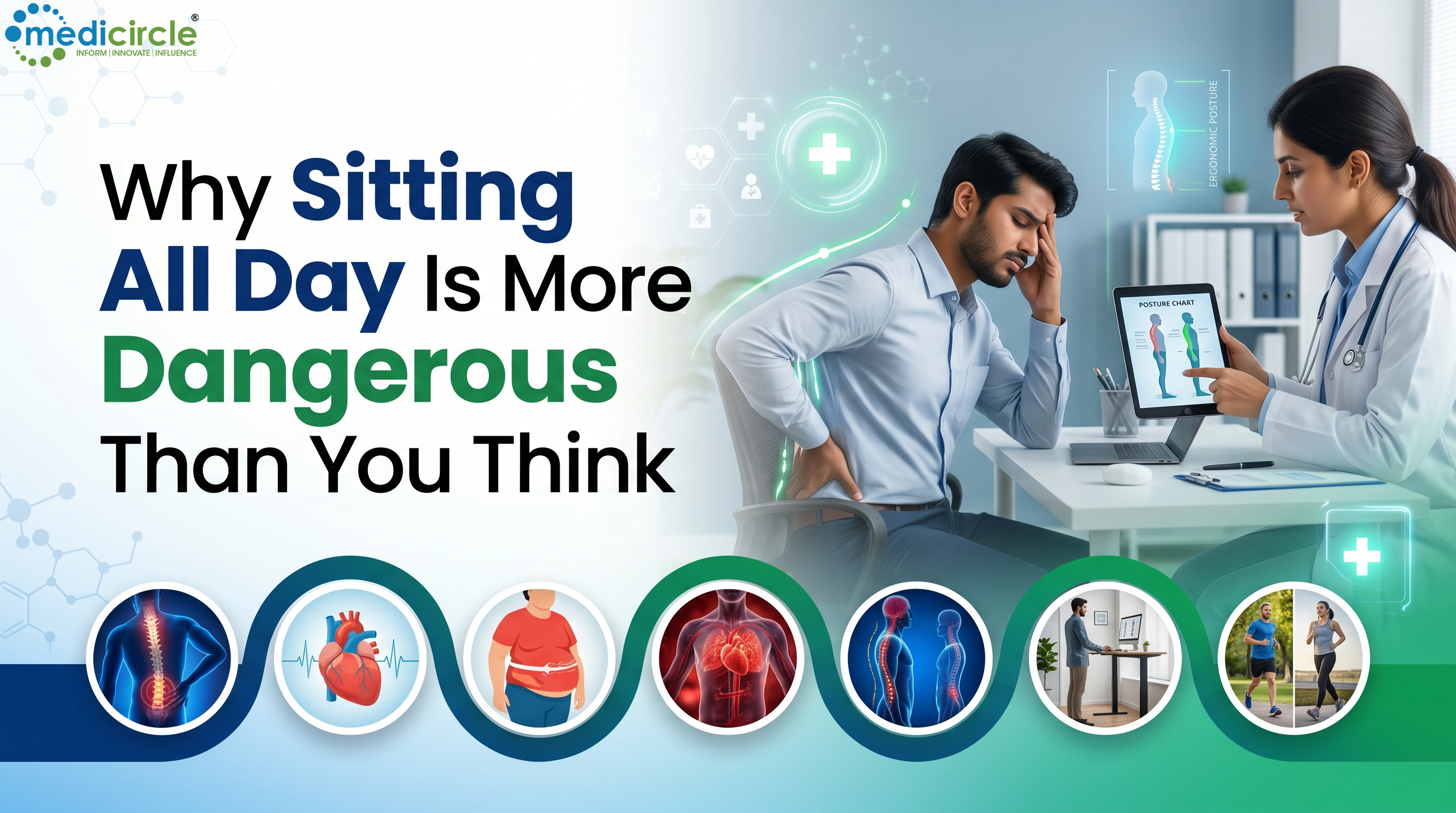
 Prolonged sitting negatively affects metabolism, heart health, posture, and mental well-being. Excessive inactivity increases the risk of obesity, diabetes, cardiovascular disease, and chronic pain. Regular movement, stretching, and reducing uninterrupted sitting throughout the day are essential for maintaining long-term physical and emotional health.




Modern lifestyles have made prolonged sitting almost unavoidable. From office jobs and online classes to binge-watching shows and scrolling through phones, many people now spend most of their day sitting. While sitting may seem harmless, health experts are increasingly warning that excessive inactivity is quietly damaging overall health.
Research from Mayo Clinic and Better Health Channel suggests that prolonged sitting is linked to obesity, cardiovascular disease, diabetes, poor posture, and even premature death. In fact, doctors often describe excessive sitting as one of the biggest modern lifestyle threats.
Many people believe that going to the gym for an hour can completely offset long sitting hours, but experts explain that even regular exercise may not fully reverse the effects of sitting all day. Understanding the hidden dangers of a sedentary lifestyle is essential for protecting long-term health.
What Happens to Your Body When You Sit for Too Long?
The human body was designed for movement. When you remain seated for extended periods, many important bodily functions begin to slow down. Blood circulation becomes less efficient, muscles burn fewer calories, and metabolism decreases significantly.
Doctors explain that prolonged sitting causes the body’s largest muscles to remain inactive, particularly those in the legs and core. As a result, calorie burning slows down and fat metabolism becomes less effective.
Over time, this lack of movement contributes to weight gain, muscle stiffness, reduced flexibility, and decreased overall fitness. The body essentially shifts into a low-energy state, which negatively affects multiple systems.
This is why health experts emphasize that physical inactivity is not simply the absence of exercise—it is an independent health risk on its own.
The Link Between Sitting and Heart Disease
One of the biggest concerns associated with sitting all day is cardiovascular health. Research has shown that prolonged inactivity is strongly linked to increased risk of heart disease and stroke.
When the body remains inactive for long periods, blood circulation slows down and fats are more likely to accumulate in blood vessels. This increases blood pressure and negatively affects cholesterol levels.
According to Mayo Clinic, individuals who sit for prolonged periods have a higher risk of cardiovascular disease, even if they exercise regularly.
Doctors explain that regular movement throughout the day is essential for maintaining healthy blood flow and supporting heart function.
How Sitting Affects Metabolism and Weight Gain
One of the hidden consequences of prolonged sitting is its impact on metabolism. When movement decreases, the body burns fewer calories, making it easier to gain weight over time.
A sedentary lifestyle also affects how the body regulates blood sugar and insulin. Reduced muscle activity decreases the body’s ability to process glucose efficiently, increasing the risk of Type 2 diabetes.
Experts studying the effects of sitting too long explain that sitting for several uninterrupted hours can reduce enzyme activity responsible for fat breakdown. This metabolic slowdown contributes to obesity and long-term health complications.
This is one reason why desk jobs and long sitting hours are increasingly associated with rising obesity rates worldwide.
The Impact of Sitting on Posture and Spine Health
Another major issue caused by prolonged sitting is poor posture and spinal stress. Many people spend hours hunched over laptops, phones, or desks, placing excessive pressure on the neck, shoulders, and lower back.
Over time, this contributes to chronic pain, muscle tightness, and poor spinal alignment. Back pain from sitting has become increasingly common among office workers and students due to prolonged screen use and poor ergonomic habits.
Doctors explain that remaining seated for long periods weakens core muscles and tightens hip flexors, both of which negatively affect posture and movement.
Poor posture not only causes physical discomfort but may also reduce mobility and flexibility over time.
Can Sitting Increase the Risk of Early Death?
Research has increasingly linked excessive sitting with higher mortality risk. According to experts, prolonged inactivity may increase the likelihood of developing chronic diseases that shorten lifespan.
Studies referenced by Better Health Channel suggest that people who spend extended periods sitting daily may face greater risk of premature death compared to more active individuals.
This growing concern has led some researchers to refer to prolonged inactivity as “sitting disease” because of its widespread effects on overall health.
Mental Health and Sedentary Behavior
The effects of sitting all day are not limited to physical health. A growing body of research suggests that inactivity may also negatively affect mental well-being.
Long periods of inactivity are associated with increased stress, fatigue, and reduced energy levels. Spending excessive time indoors and seated may also contribute to feelings of anxiety and low mood.
Movement and exercise stimulate blood flow, release mood-enhancing chemicals, and improve mental clarity. When physical activity decreases, emotional health may suffer as well.
Experts emphasize that regular movement is essential not only for physical wellness but also for emotional balance and cognitive performance.
Why Exercise Alone May Not Be Enough
Many people believe that going to the gym after work completely offsets the effects of sitting for eight to ten hours daily. However, doctors warn that prolonged sitting still poses risks even among physically active individuals.
Research suggests that uninterrupted sitting may negatively affect metabolism and circulation regardless of exercise routines. This means movement throughout the day is just as important as dedicated workouts.
Experts recommend reducing long periods of uninterrupted sitting rather than relying solely on exercise sessions to maintain health.
How to Reduce the Health Risks of Sitting
Doctors emphasize that small lifestyle changes can significantly reduce the risks associated with prolonged sitting. Standing up regularly, stretching, and taking short walking breaks throughout the day improve circulation and muscle activity.
Using standing desks, walking during phone calls, and incorporating movement into daily routines are effective ways to reduce sedentary behavior.
Experts also recommend engaging in regular physical activity such as walking, strength training, or cycling to counteract the effects of inactivity.
The goal is not to avoid sitting completely but to balance sitting with consistent movement throughout the day.
Case Study: Overcoming a Sedentary Lifestyle
Rohit, a 34-year-old software engineer, spent nearly ten hours daily sitting at his desk. Over time, he developed lower back pain, weight gain, and constant fatigue.
After consulting a doctor, he introduced simple changes into his routine. He began taking walking breaks every hour, improved his workstation posture, and started exercising regularly.
Within a few months, his back pain reduced significantly, his energy improved, and he experienced noticeable improvements in overall fitness and mental well-being.
His experience highlights how even small changes in daily habits can help reduce the risks of prolonged sitting.
FAQs
- Why is sitting all day unhealthy?
Prolonged sitting slows metabolism, reduces circulation, and increases risk of chronic diseases.
- What are the effects of sitting too long?
The effects of sitting too long include obesity, poor posture, diabetes, and heart disease.
- Can sitting all day cause heart problems?
Yes, prolonged inactivity is associated with increased risk of cardiovascular disease.
- Does exercise cancel out sitting risks?
Exercise helps, but doctors say regular movement throughout the day is still necessary.
- Can sitting cause back pain?
Yes, back pain from sitting is common due to poor posture and spinal strain.
- What is sitting disease?
“Sitting disease” refers to health risks linked to excessive sedentary behavior.
- How often should I move during work?
Experts recommend standing or moving every 30–60 minutes.
- Does sitting affect mental health?
Yes, inactivity may contribute to stress, fatigue, and lower mood.
- How can I reduce sedentary lifestyle risks?
Taking movement breaks, exercising regularly, and improving posture can help.
- Are standing desks helpful?
Yes, standing desks may reduce sitting time and improve posture and circulation.
Conclusion
Sitting may seem harmless, but excessive inactivity has become one of the most serious modern health risks. From heart disease and obesity to poor posture and metabolic dysfunction, the effects of prolonged sitting impact nearly every system in the body.
Doctors emphasize that movement is essential for maintaining long-term health. Even small lifestyle adjustments such as walking more, stretching regularly, and reducing uninterrupted sitting time can significantly improve physical and mental well-being.
Understanding the dangers of a sedentary lifestyle is the first step toward building healthier daily habits and protecting overall wellness.





-23-300x250.png)

.jpeg)






.jpg)
.jpg)
.jpg)
.jpg)
.jpg)
.jpg)
.jpg)
.jpg)
.jpg)