Tuesday, October 27, 2026
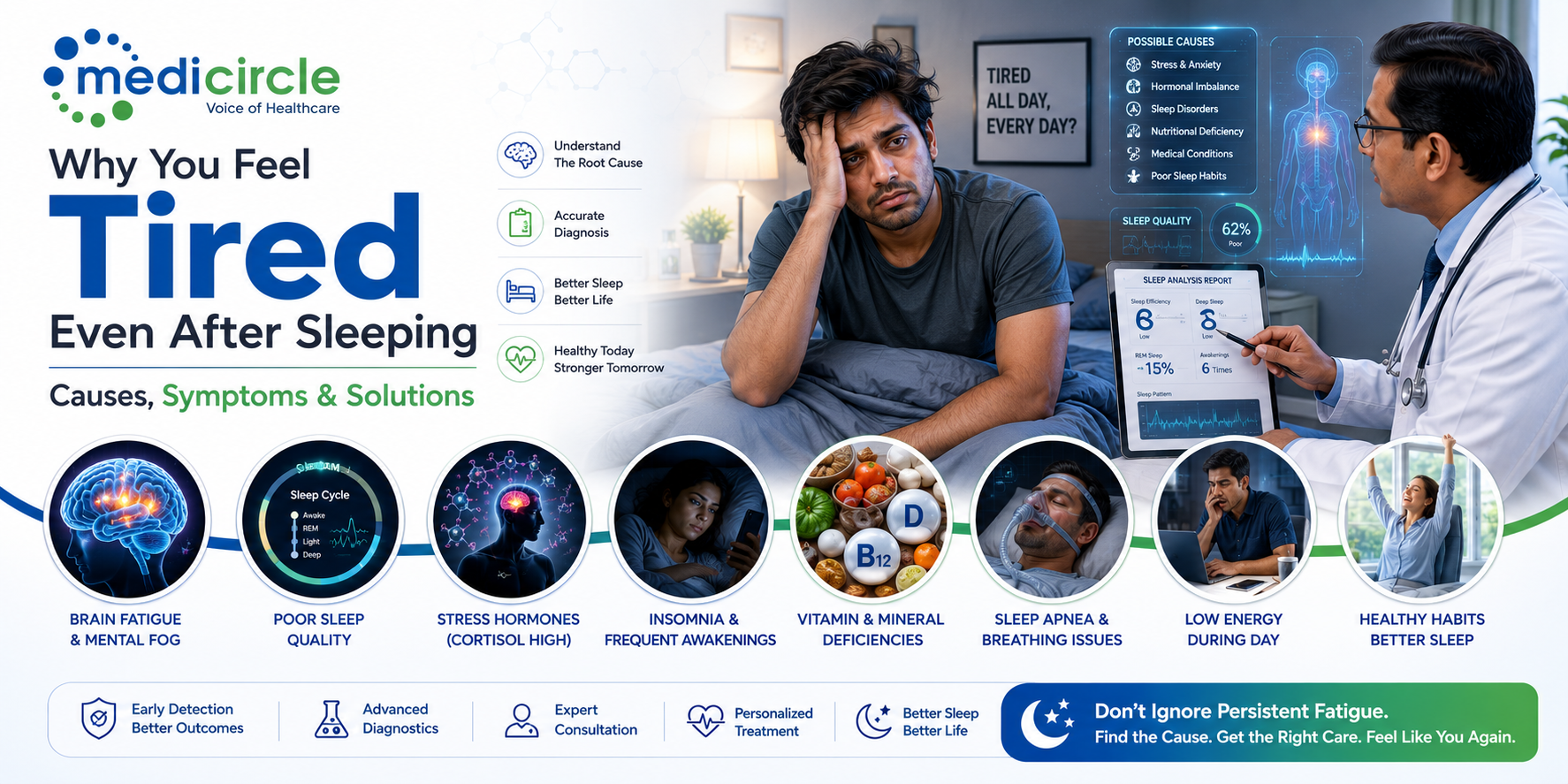
 Feeling exhausted despite getting enough sleep is becoming increasingly common in modern lifestyles. Persistent tiredness after sleep is often linked to sleep quality, stress, mental fatigue, lifestyle habits, hormonal imbalances, and underlying health conditions rather than sleep duration alone.





You sleep for seven or eight hours, wake up, and still feel drained. Your body feels heavy, your mind remains foggy, and even simple tasks seem mentally exhausting. Many people assume that sleeping longer automatically restores energy, but real recovery depends on far more than the number of hours spent in bed.
Persistent fatigue after sleep has become increasingly common due to stress, irregular routines, digital overstimulation, poor sleep quality, and hidden health issues. In many cases, people are technically sleeping enough but not reaching the deep restorative stages necessary for physical and mental recovery.
This ongoing exhaustion can affect productivity, mood, focus, metabolism, and emotional resilience. Understanding the reasons behind waking up tired is important because fatigue is often the body’s way of signaling that recovery is incomplete.
Why Sleep Duration Alone Does Not Guarantee Rest
Many people focus only on sleep quantity while overlooking sleep quality. The body cycles through different sleep stages during the night, including light sleep, deep sleep, and REM sleep. Each stage supports different biological functions such as tissue repair, hormone regulation, memory processing, and emotional recovery.
When these sleep cycles become disrupted, the brain and body may not fully recover even after spending enough time asleep.
The Importance of Deep SleepDeep sleep plays a major role in physical restoration. During this phase, the body repairs muscles, regulates immune activity, and restores energy reserves. If deep sleep is interrupted repeatedly, a person may wake up feeling physically exhausted despite sleeping for several hours.
Factors that commonly interfere with deep sleep include:
- Chronic stress and anxiety
- Excessive screen exposure before bed
- Alcohol consumption late at night
- Irregular sleep schedules
- Sleep disorders like sleep apnea
Many people unknowingly experience poor-quality sleep for months before realizing their fatigue is connected to nighttime disruption.
Mental Recovery Happens During Sleep TooSleep is not only physical rest. The brain remains highly active during the night, processing emotions, organizing memories, and clearing metabolic waste products that accumulate throughout the day.
When sleep quality declines, people often experience:
- Brain fog
- Reduced concentration
- Slower thinking
- Irritability
- Emotional exhaustion
- Reduced motivation
This explains why someone may sleep for eight hours yet still feel mentally drained the next day.
Chronic Stress and Mental Overload Can Leave You Exhausted
One of the biggest modern contributors to persistent fatigue is chronic stress. Even when the body appears physically rested, the nervous system may remain mentally overstimulated.
Stress increases cortisol production, which affects both sleep quality and energy regulation. Many individuals remain in a state of low-grade “survival mode” for extended periods due to work pressure, financial stress, emotional strain, or constant digital engagement.
How Stress Disrupts Recovery
People under chronic stress often experience shallow sleep rather than restorative sleep. The brain stays partially alert, making it harder to fully relax.
Common signs include:
- Waking up multiple times during the night
- Feeling tired immediately after waking
- Jaw clenching or muscle tension during sleep
- Vivid dreams or racing thoughts
- Daytime mental fatigue
A young professional working long hours may technically sleep seven hours, but constant stress prevents the nervous system from fully recovering overnight.
Emotional Exhaustion Often Feels Physical
Mental burnout frequently appears as physical tiredness. Emotional overload can reduce motivation, concentration, and energy levels even when there is no obvious physical illness.
People experiencing emotional exhaustion often describe:
- Feeling “drained” constantly
- Difficulty focusing
- Loss of enthusiasm
- Brain fog and low mental clarity
- Feeling tired after small tasks
This overlap between mental fatigue and physical fatigue is why stress-related exhaustion is often misunderstood.
Sleep Disorders That Cause Daytime Fatigue
Sometimes fatigue after sleep is connected to underlying sleep disorders rather than lifestyle alone.
Sleep Apnea
Sleep apnea occurs when breathing repeatedly pauses during sleep, briefly waking the brain throughout the night. Many people do not realize these interruptions are happening.
Common symptoms include:
- Loud snoring
- Morning headaches
- Dry mouth upon waking
- Excessive daytime sleepiness
- Poor concentration
Because sleep becomes fragmented, the body never fully reaches restorative sleep stages.
Insomnia and Fragmented SleepInsomnia does not always mean being unable to sleep completely. Some people fall asleep normally but wake frequently throughout the night, reducing overall sleep quality.
Even minor interruptions can affect cognitive recovery and daytime energy.
Restless Leg Syndrome
This condition causes uncomfortable sensations in the legs that create an urge to move during nighttime. Sleep becomes lighter and less restorative, often leading to chronic tiredness.
Lifestyle Habits That Quietly Drain Energy
Modern lifestyles contribute heavily to persistent fatigue. Many daily habits affect the body’s natural energy systems without people realizing it.
Excessive Screen Time and Blue Light Exposure
Smartphones, laptops, and streaming platforms expose the brain to constant stimulation late into the evening. Blue light suppresses melatonin production, delaying the body’s natural sleep rhythm.
At the same time, emotional stimulation from scrolling, gaming, or consuming stressful content keeps the nervous system active when it should be slowing down.
People often stay mentally alert long after putting their devices away, which affects sleep depth.
Irregular Sleep Schedules
Sleeping at different times every night disrupts circadian rhythm regulation. The body performs best with consistency.
Frequent late nights, weekend sleep shifts, and irregular wake times can lead to:
- Morning grogginess
- Low daytime alertness
- Hormonal disruption
- Reduced mental clarity
Even small schedule inconsistencies can affect energy levels significantly over time.
Poor Nutrition and Energy Crashes
Diet directly influences energy production. Highly processed foods, excessive sugar intake, and inadequate hydration can worsen fatigue.
Nutritional deficiencies associated with tiredness include:
- Iron deficiency
- Vitamin B12 deficiency
- Vitamin D deficiency
- Magnesium deficiency
People relying heavily on caffeine and processed foods may experience temporary stimulation followed by energy crashes later in the day.
Hormonal and Medical Causes of Constant Fatigue
Persistent fatigue can sometimes signal underlying medical conditions that require evaluation.
Thyroid Disorders
An underactive thyroid slows metabolism and energy production. Symptoms often include:
- Fatigue
- Weight gain
- Brain fog
- Feeling cold frequently
- Sluggishness
Many individuals mistake thyroid-related exhaustion for ordinary stress or burnout.
Blood Sugar Imbalances
Poor blood sugar regulation can cause fluctuating energy levels throughout the day. Skipping meals, consuming excessive refined carbohydrates, or insulin resistance may contribute to tiredness.
Chronic Inflammation
Low-grade inflammation associated with obesity, poor sleep, stress, or chronic illness may also affect energy production and recovery.
The body uses significant energy managing chronic inflammatory processes, leaving people feeling persistently fatigued.
Why Young Adults Feel Tired More Often Today
Young adults increasingly report waking up exhausted despite sleeping “enough.” Modern lifestyles create continuous cognitive stimulation with limited true recovery.
Constant Connectivity Prevents Mental Rest
Work emails, social media, notifications, and digital entertainment blur the boundary between productivity and relaxation.
Many individuals remain mentally engaged until the moment they sleep, reducing the nervous system’s opportunity to recover.
Productivity Culture Encourages Exhaustion
Modern culture often glorifies being busy while undervaluing rest. People push through fatigue for long periods before recognizing that chronic exhaustion is affecting health, concentration, and emotional resilience.
This creates a cycle where poor recovery becomes normalized.
How to Improve Energy Levels Naturally
Improving fatigue often requires addressing recovery quality rather than simply increasing sleep hours.
Create a Consistent Sleep Routine
Going to bed and waking up at similar times daily helps regulate circadian rhythms and improve sleep quality naturally.
Consistency strengthens the body’s internal clock and improves morning alertness over time.
Reduce Stimulation Before Bed
Creating a calmer evening routine allows the nervous system to transition gradually into sleep mode.
Helpful strategies include:
- Limiting bright screens before bedtime
- Using dim lighting in the evening
- Avoiding stressful content late at night
- Practicing relaxation exercises
- Reading or journaling before sleep
Small behavioral adjustments often improve sleep quality significantly.
Support Physical Recovery During the Day
Daytime habits strongly influence nighttime recovery.
Important factors include:
- Regular physical movement
- Balanced meals with adequate protein
- Hydration
- Stress management
- Sunlight exposure during the morning
The body recovers best when sleep, nutrition, movement, and mental health work together rather than separately.
When Persistent Fatigue Needs Medical Attention
Occasional tiredness is normal, especially during stressful periods. However, persistent exhaustion lasting several weeks should not be ignored.
Medical evaluation may be important if fatigue is accompanied by:
- Severe daytime sleepiness
- Memory problems
- Mood changes
- Shortness of breath
- Frequent headaches
- Unexplained weight changes
- Difficulty functioning normally
Sometimes fatigue reflects sleep disorders, hormonal imbalances, nutritional deficiencies, or chronic medical conditions that require professional assessment.
Conclusion
Feeling tired even after sleeping is rarely just about needing more hours in bed. In many cases, the body is struggling with poor sleep quality, mental overload, chronic stress, lifestyle imbalance, or underlying health issues that interfere with genuine recovery.
Modern life keeps the brain continuously stimulated, emotionally engaged, and physically overstressed, making restorative sleep harder to achieve. As a result, many people wake up physically present but mentally and emotionally under-recovered.
Understanding the connection between sleep quality, stress, nervous system regulation, and overall health is essential for improving energy naturally. Sustainable recovery usually comes from consistent daily habits, emotional balance, healthy sleep patterns, and addressing hidden contributors to fatigue rather than relying only on temporary stimulation like caffeine or oversleeping.
FAQs
Why do I feel tired even after sleeping 8 hours?
Sleeping enough hours does not always guarantee restorative sleep. Poor sleep quality, stress, sleep disorders, or mental fatigue may prevent full recovery.
Can stress make you feel tired all the time?
Yes. Chronic stress affects cortisol levels, sleep quality, emotional regulation, and nervous system recovery, leading to persistent fatigue.
What are common symptoms of poor sleep quality?
Symptoms include brain fog, irritability, daytime sleepiness, poor concentration, headaches, low motivation, and waking up exhausted.
Can anxiety cause fatigue after sleep?
Yes. Anxiety keeps the nervous system in a heightened state of alertness, which may interfere with deep restorative sleep.
Why does my body feel heavy after waking up?
Heavy body sensations after sleep may be related to poor sleep quality, muscle tension, inflammation, stress, or disrupted sleep cycles.
Can screen time affect sleep quality?
Yes. Blue light exposure and emotional stimulation from devices may delay melatonin production and disrupt natural sleep rhythms.
Does oversleeping also cause tiredness?
In some cases, excessive sleeping may worsen grogginess and disrupt circadian rhythms, especially when sleep quality remains poor.
What deficiencies can cause constant tiredness?
Iron deficiency, vitamin D deficiency, vitamin B12 deficiency, and magnesium deficiency are commonly associated with fatigue.
Can depression cause physical fatigue?
Yes. Emotional exhaustion and depression frequently contribute to physical tiredness, low energy, and reduced motivation.
When should I see a doctor for constant fatigue?
If tiredness persists for several weeks, affects daily functioning, or occurs alongside symptoms like headaches, mood changes, or breathing issues, medical evaluation may help identify underlying causes.





-23-300x250.png)

.jpeg)






.jpg)
.jpg)
.jpg)
.jpg)
.jpg)
.jpg)
.jpg)
.jpg)
.jpg)