Wednesday, October 07, 2026
 The series highlights women in senior healthcare leadership to understand their perspectives on industry, opportunities and leadership.




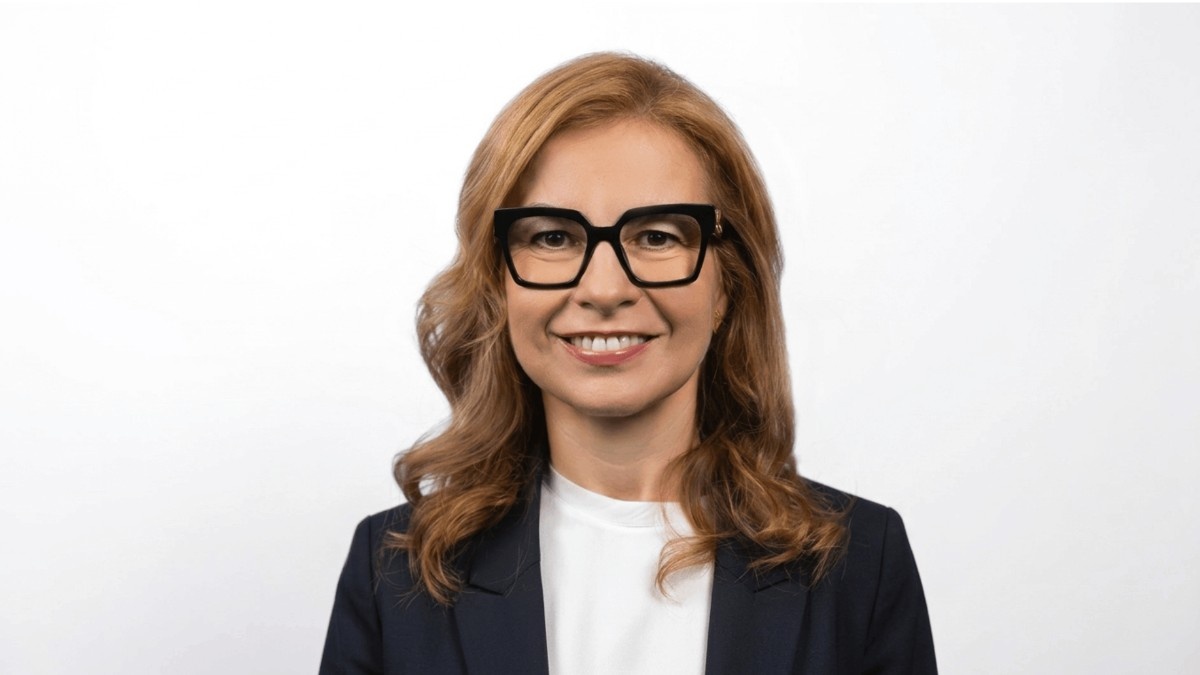
In our ongoing series to feature the Women Leaders in Health, we had an exclusive conversation with Isabel Afonso, CEO, Arcera Life Sciences. Isabel Afonso, is serving as the CEO of Arcera Life Sciences since October 2023. She has been named as one of Forbes Middle East’s Top Healthcare Leaders for 2025.
The series highlights women in senior healthcare leadership to understand their perspectives on industry, opportunities and leadership.
In this conversation, Isabel Afonso underscores that effective healthcare leadership is rooted in patient-centricity, systems thinking, accountability, and collaboration. She emphasizes that advancing health equity and women’s leadership requires intentional action, adaptable strategies, and long-term commitment to building inclusive, resilient healthcare systems globally.
- As CEO of a global life sciences company, what leadership principles guide your decision-making in complex healthcare systems?
Leading in healthcare requires clarity, discipline, and responsibility.
The first principle is keeping patients at the center of decisions. Scientific progress only matters if it translates into treatments for better care and better outcomes for people.
Second is systems thinking. Healthcare decisions rarely driven by one stakeholder only. Leaders must understand how policy, providers, supply chains, and patient access are interconnected and ensure that decisions strengthen the system as a whole.
Third is accountability. Healthcare is built on trust, which means leaders must be transparent about priorities, outcomes, and long-term impact.
Finally, collaboration drives innovation and patient access in life sciences especially when governments, scientists, clinicians, and industry align around shared goals. Effective leadership means creating the conditions where this alignment can happen.
- How do you view the role of executive leadership in advancing health equity across markets with different access and infrastructure levels?
Executive leadership plays a critical role in turning health equity into action. This means making deliberate decisions about where we invest, how innovation is introduced, and how solutions are adapted to different healthcare systems.
Healthcare systems vary widely in infrastructure, regulatory maturity, and access pathways. What works in one environment may not translate directly to another. This is why leadership must focus on building approaches that are adaptable and grounded in partnership with governments, regulators, and healthcare providers.
Executives must also remember that equity is not just about affordability. It includes reliable supply, strong regulatory partnerships, local capability building, and appropriate clinical education. These factors determine whether therapies are usable and sustainable in real-world settings.
Ultimately, advancing equity requires long-term commitment. It requires to align with governments and health authorities, and measure success not only by commercial performance but by system-level contribution and patient impact across markets.
- What systemic barriers still limit diverse leadership representation in healthcare—and which are most urgent to address?
Many of the barriers to diverse leadership in healthcare come from how leadership pathways are traditionally defined. Organizations often look for candidates who have followed similar career trajectories or held comparable roles before, which can unintentionally narrow the pool of talent.
This approach can limit the diversity of perspectives that leadership teams need to navigate complex healthcare systems. Strong organizations benefit when leaders bring different experiences, disciplines, and ways of thinking to the table.
Within this broader context, gender representation remains an important issue. While women make up a significant share of the global healthcare workforce, they are still underrepresented in senior leadership positions.
Addressing these challenges requires rethinking how organizations identify, develop, and support future leaders. Expanding mentorship, sponsorship, and leadership development opportunities can help ensure that talented individuals have the pathways they need to reach senior roles.
When leadership teams become more diverse in experience and perspective, organizations make better decisions and are better equipped to address the complex challenges facing healthcare systems.
- How does Arcera translate its commitment to equity into measurable actions across talent, partnerships, and innovation pipelines?
At Arcera Life Sciences, we are deeply committed to fostering an inclusive and equitable organization. In 2025, we launched our first Diversity, Equity & Inclusion (DEI) Policy-Project, marking a significant milestone in embedding these principles across our operations. Rooted in our Code of Ethics, diversity, equity, and inclusion guide our conduct and decision-making at every level. Our priorities include achieving gender balance across the organization, fostering innovation through diverse perspectives and cross-regional collaboration, and supporting employee growth through continuous learning and development.
Partnerships are another key area of focus. We collaborate with governments, academic institutions, and healthcare organizations to support local capability development, particularly in markets where infrastructure and expertise are still evolving. These partnerships help ensure that innovation is adapted to real-world needs rather than imported without context. Within our innovation pipeline, equity is also reflected in portfolio decisions that prioritize areas of unmet need, system sustainability, and access. This includes investing in therapies and platforms that address public health challenges and ensuring that regulatory and access strategies are designed with diverse healthcare environments in mind.
We track outcomes. Whether in leadership representation, access metrics, partnerships, innovation progress is measured and reviewed frequently.
- What role should CEOs play in building future women leadership capacity within their organisations and the wider ecosystem?
CEOs have a unique responsibility to shape the conditions in which women leaders can thrive. This begins with setting a clear expectation that gender equity is a leadership commitment, not simply an HR initiative. Leadership systems, from succession planning to performance evaluation, must be designed to identify and accelerate diverse talent.
Role modelling is equally important. When leaders actively sponsor women into high-impact roles, it sends a clear signal across the organization that leadership potential is defined by capability and contribution. Leadership must also extend beyond the organization itself. In healthcare, this means partnering with academic institutions, regulators, and industry bodies to expand pathways for women in science, operations, and executive leadership.
Ultimately, building women’s leadership capacity is about creating an environment where ambition is supported, opportunity is equitable, and leadership reflects the diversity of the patients and communities we serve.
- How do you assess and support high-potential women leaders across different levels to build a pipeline of women employees in your organisation across geographies and disciplines?
Identifying and supporting high-potential women requires both intent and structure. At Arcera, structure is particularly important given the scale of our organization and the diversity of our international locations. We combine structured talent reviews with leadership insight to ensure that capability and potential is recognized across cultures, disciplines, and career paths.
We focus on identifying talent as early as possible and providing exposure to cross-functional, cross-regional, and transformation-driven roles. We strive to have high-potential leaders benefiting from structured development plans, senior sponsorship, and clear feedback.
I also believe leadership development must be personal. I make it a priority to mentor a few female leaders across the organization, helping them navigate their careers and expand their leadership impact.
Across our global organization, we adapt development approaches to local needs while maintaining consistent leadership standards.
- What lessons from your leadership journey are most relevant for the next generation of female leaders of healthcare?
The most important lesson is to lead with purpose and clarity. In healthcare, our work ultimately affects patients and health systems, so decisions must always be guided by impact.
Second, invest in breadth early in your career. The leaders who thrive in today’s healthcare environment understand how science, operations, policy, and markets intersect. Diverse experiences help build the judgment required to lead complex organizations.
Third, remember that leadership does not need to be developed alone. Trusted mentors, sponsors, and professional networks play a critical role in opening opportunities and providing perspective.
Finally, leadership carries responsibility. For women in senior roles, the way we lead helps expand what others believe is possible. The goal is not only to succeed individually, but to help build organizations and systems that are more inclusive, resilient, and effective for the generations that follow.






.jpeg)




.jpg)
.jpg)
.jpg)
.jpg)
.jpg)
.jpg)


.jpg)
.jpg)
.jpg)
.jpg)
.jpg)
.jpg)