 Sunday, October 11, 2026
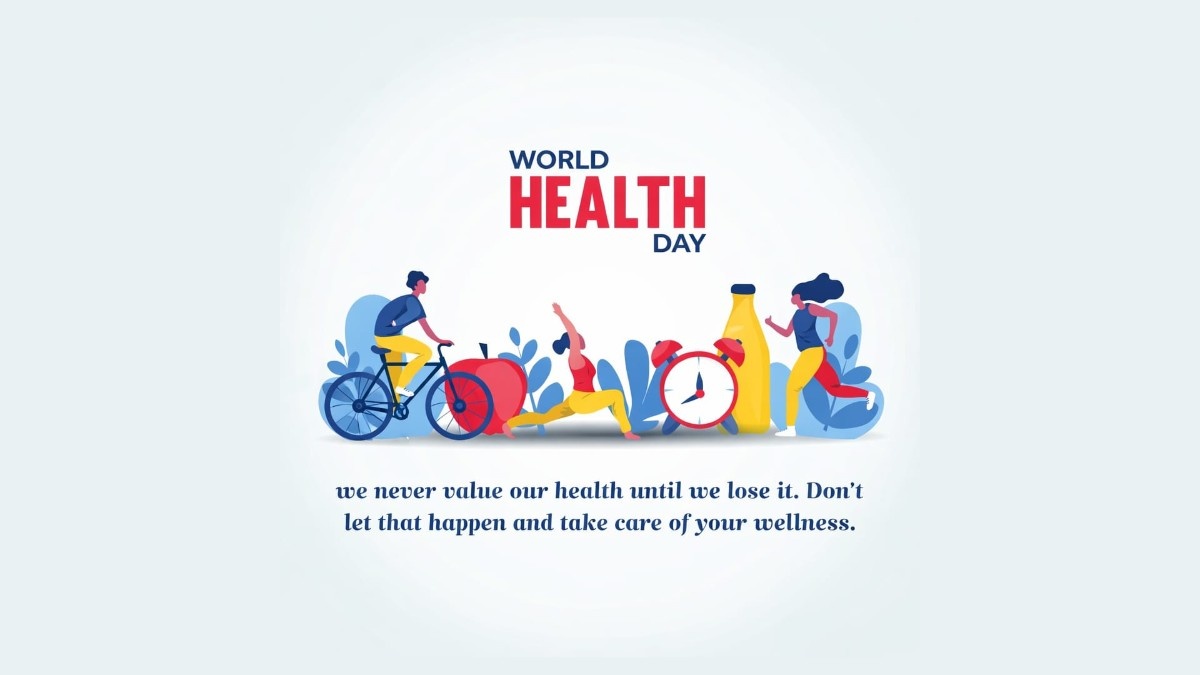
 India is witnessing a silent but significant shift in its disease burden, with lifestyle conditions such as diabetes, hypertension, and fatty liver increasingly affecting younger, working-age populations. On the occasion of World Health Day.




Hyderabad, 6th April, 2026:
India is witnessing a silent but significant shift in its disease burden, with lifestyle conditions such as diabetes, hypertension, and fatty liver increasingly affecting younger, working-age populations. On the occasion of World Health Day, doctors at CARE Hospitals have raised concern over a widening preventive health gap, where access to healthcare has improved, but early detection remains largely ignored.
Recent trends indicate that a large proportion of patients are being diagnosed only at advanced stages, often during unrelated consultations or emergencies. This delay in diagnosis is leading to higher complication rates and long-term health risks, particularly among individuals in their 30s and 40s who otherwise consider themselves healthy.
The national health data indicates, nearly 1 in 4 Indian adults may have hypertension, with a significant number remaining undiagnosed. Similarly, India continues to be among the countries with the highest burden of diabetes, with early-onset cases becoming increasingly common in urban populations.
Speaking on the occasion, Dr. H Guru Prasad, Clinical Director and HOD - General Medicine, CARE Hospitals, Banjara Hills said, "What is worrying today is not just the number of cases, but the age at which we are seeing them. We are diagnosing diabetes, high blood pressure, and fatty liver in people who are in their 30s and early 40s. In many cases, these are picked up late because individuals don’t go for routine check-ups. By the time symptoms appear, the disease has already progressed."
Doctors highlight that modern urban lifestyle, marked by long working hours, poor dietary habits, lack of physical activity, disrupted sleep, and increasing exposure to heat stress, are accelerating the onset of these conditions. Despite this, preventive health behaviour has not kept pace.
Adding further, Dr. H Guru Prasad, noted, "Health cannot be managed only when something goes wrong. Today, even people who feel completely fine may have underlying risk factors. Simple annual tests can help detect issues early and prevent complications. Preventive health is no longer a choice, it something every adult should consciously plan for."
Doctors recommend that individuals above the age of 30 undergo a basic annual health check-up to enable early detection of lifestyle-related conditions. This should include monitoring of blood sugar levels, regular blood pressure checks, a lipid profile to assess cholesterol levels, liver function tests, and evaluation of body weight along with BMI to track overall health risk.
CARE Hospitals continues to strengthen its focus on preventive healthcare through structured screening programmes, community awareness initiatives, and corporate health engagements aimed at early detection and risk reduction.
As India’s healthcare needs evolve, doctors underline that the next decade will be defined not just by advanced treatment, but by how effectively individuals and healthcare systems shift towards early detection and prevention.






.jpeg)










.jpg)
.jpg)
.jpg)
.jpg)
.jpg)
.jpg)


.jpg)