 Tuesday, October 27, 2026
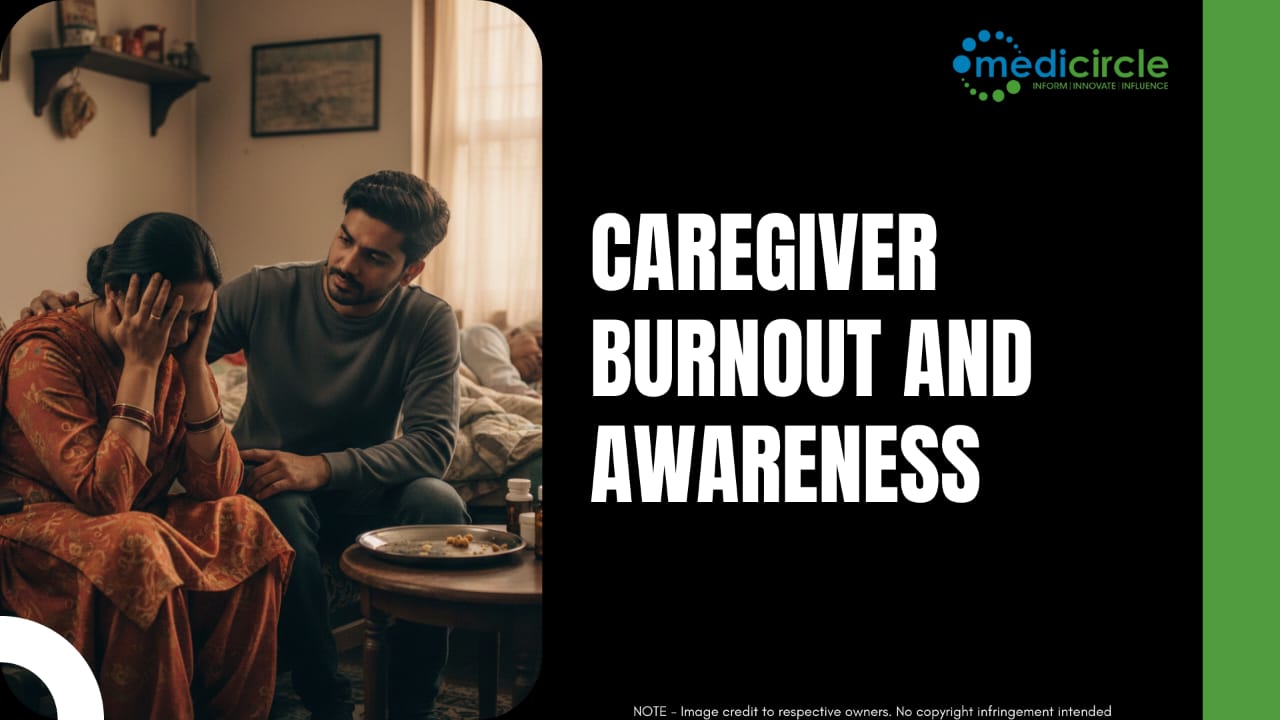
 Caregiver burnout is a quiet emotional and physical exhaustion caused by prolonged caregiving where love continues but personal health and well-being slowly wear away.




Walk into almost any neighborhood in India and you will find them. They are the sons quietly adjusting their father’s oxygen cylinder, the daughters preparing a special meal for a mother who can no longer cook, the wives managing a dozen medications for their husbands. This is caregiving. It is woven into the fabric of our families, a natural often unspoken act of love. But this love can come at a steep hidden price, a deep weariness that settles into the bones and the mind. This is not just tiredness; it is caregiver burnout, a silent companion to devotion that too few dare to name.
More than just tired:
You know that feeling after a long difficult day. Now imagine that feeling never really leaves. It becomes your normal. Caregiver burnout is a state of being completely worn out physically mentally and emotionally. It happens when the needs of the person you love constantly come before your own day after day with no break in sight. It is like trying to sprint through a marathon. Your body and spirit simply cannot keep up. Feeling this way does not mean you love them any less. It means you are human and you have been pouring from an empty cup for far too long.
Hidden struggles of caregiving:
In our culture taking care of our own is a point of pride. It is what we do. Because of this admitting you are struggling can feel like admitting failure. There is a powerful unspoken rule: do not complain. This is your duty. So the daughter feels guilty for wanting an hour to herself. The son brushes off his own headaches thinking they are nothing compared to his parent’s pain. This guilt builds a wall of silence. Inside that wall the caregiver can feel utterly alone even in a house full of people.
Early signs of burnout:
Burnout does not crash in like a wave. It leaks in like a slow drip. One day you realize you have not read a book in months. Another day you snap at your loved one over a small thing and are instantly flooded with shame. These are the whispers, the signs that your system is overloaded.
You may notice that you always feel heavy with fatigue no matter how much you sleep. You may lose your temper quickly or feel strangely numb. Small pleasures like a cup of tea or a phone call with a friend may no longer bring joy. You may forget your own medicines while carefully organizing theirs. You may feel flashes of resentment followed by deep guilt.
These are not failures. They are signals. They are your mind and body clearly saying that help is needed.
Cost of ignoring burnout:
Pushing through exhaustion may seem noble but it has consequences. Constant stress can lead to high blood pressure or frequent illness. Emotional strain can grow into anxiety or a deep sadness that refuses to lift. When you are running on empty the quality of care you provide also suffers. This becomes a cycle that harms everyone involved. Looking after yourself is not a distraction from caregiving. It is the foundation that makes caregiving possible.
Practical steps forward:
The path out of burnout begins with one kind decision: including yourself in the circle of care. This means moving from silent sacrifice to sustainable support.
The first step is reaching out. Break the silence. Tell a cousin that you are finding this difficult. Speak to a friend who listens without judgment. Look for a local or online caregiver support group. Hearing someone say “I feel the same way” can lift a burden you did not realize you were carrying. Asking for help is not surrender. It is gathering strength.
It is also important to draw boundaries. You cannot do everything. Saying you cannot manage something today is not a betrayal. Another family member can handle a task. A helper can be hired for a few hours. Boundaries protect your energy and that energy is what your loved one truly needs.
Your own health must be a priority. Your doctor’s appointment matters. A short daily walk matters. Eating well matters. If your health breaks down caregiving becomes impossible. This is not selfishness. It is common sense.
Sometimes speaking to a professional helps. A counselor or therapist offers a safe neutral space to sort through complex emotions. It is a place just for you to rebuild strength and learn healthier ways to cope.
A word for you, the caregiver:
If you are reading this while waiting for a doctor’s call or between preparing meals know that you are seen. Your work often goes unnoticed but it is immense. It is okay to feel tired. It is okay to feel overwhelmed. These emotions do not cancel your love. They confirm your humanity.
This journey does not have to be lonely. By acknowledging the strain listening to your inner signals and seeking support you change the story. You help build a culture where caring for family also means caring for the person holding everything together. You matter. Your well-being is not optional. It is essential.





-23-300x250.png)

.jpeg)






.jpg)
.jpg)
.jpg)
.jpg)
.jpg)
.jpg)
.jpg)
.jpg)
.jpg)



