 Tuesday, October 27, 2026
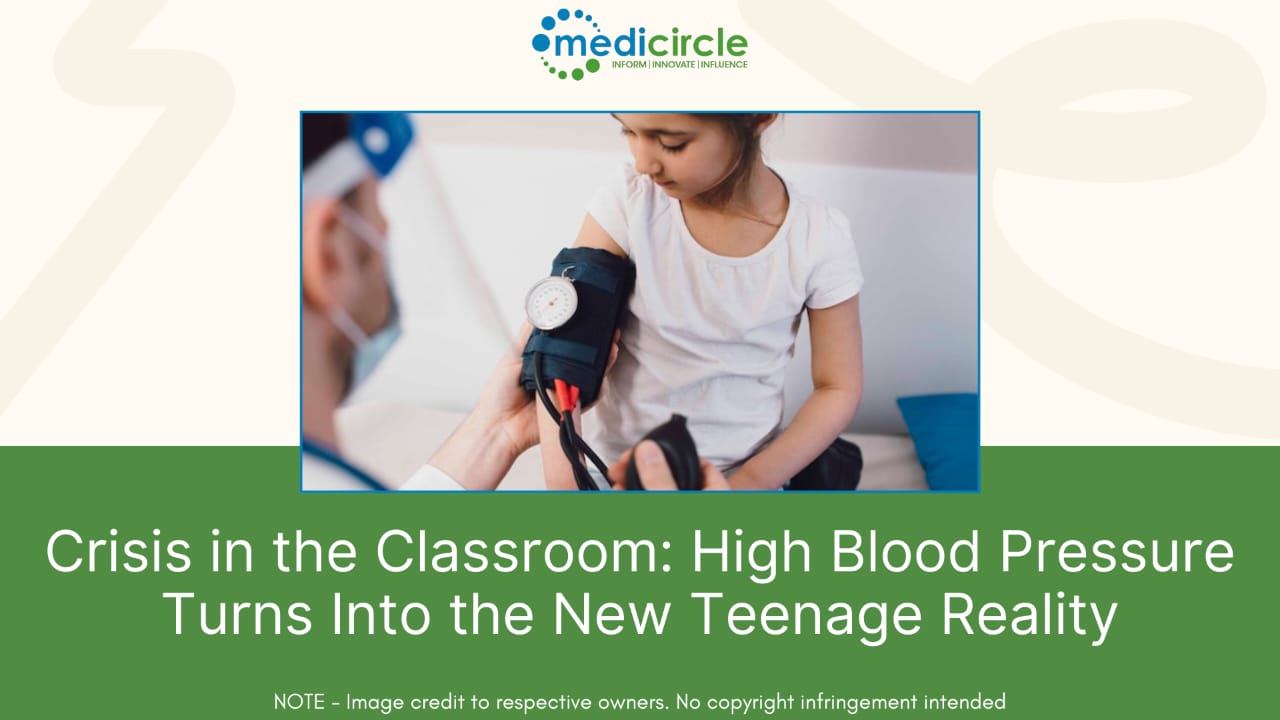
 Every child deserves a future where their heart is strong enough to carry their dreams. Ensuring that future begins with recognising that high blood pressure in the young is a warning that cannot be ignored.




The idea that high blood pressure belongs to adulthood is fading fast, replaced by a disturbing reality that is slowly unfolding across the world. A growing number of children and teenagers are entering a danger zone once associated with years of stress, unhealthy habits, and ageing bodies. This shift has caught the attention of global health researchers who now warn that hypertension in the young is becoming one of the most unsettling trends of our time. When a child begins life with elevated blood pressure, the road ahead becomes heavy with risks that were never meant to belong to their age group. The growing burden of childhood hypertension feels like watching tomorrow’s adults lose their health before they even reach adulthood. Families, health systems, and communities are now being forced to look closely at something that once felt unthinkable.
A new global analysis published in The Lancet Child and Adolescent Health has revealed how quickly this invisible threat has grown. Over the last twenty years, the number of children and teenagers living with hypertension has nearly doubled across continents. What was slightly above three percent in the year 2000 has crossed six percent by 2020. In simpler words, millions of young minds today are living with a condition that slowly damages blood vessels, strains the heart, and lays the foundation for serious diseases as they grow older. What makes this rise concerning is its silent nature. High blood pressure rarely shows symptoms, and in the case of children, most families assume fatigue, headaches, or mood changes are part of normal growing pains. Meanwhile, an underlying condition continues its slow work inside the body, unnoticed and untreated.
Doctors across the world now stress that ignoring hypertension in childhood is like planting the seeds of tomorrow’s health crisis with full awareness. Untreated high blood pressure in younger years can lead the way for early heart disease, kidney problems, and lifelong cardiovascular stress. The idea that a teenager could be on the path to such complications is unsettling, yet the data reflects this worrying truth. The study found that almost one in ten teenagers already shows elevated or high blood pressure, meaning a large part of the next generation may be stepping into adulthood with weakened protection against many chronic conditions.
Researchers from the University of Edinburgh, who contributed to the study, pointed to a major factor behind this rise i.e. childhood obesity. This relationship is not new, but the scale of the impact has grown dramatically over the last few decades. Their analysis noted that almost one-fifth of children and teenagers living with obesity now have hypertension. To put that into perspective, the risk is nearly eight times higher compared to those with a healthy weight. Obesity changes the body in many ways. It increases pressure inside the blood vessels, leads to insulin resistance, and alters metabolic pathways that guide healthy circulation. When these changes begin early in life, the body is forced to adjust before it has even finished growing.
But the issue goes beyond obesity alone. Lifestyle patterns are shifting in ways that quietly raise blood pressure. Young children today often have lower physical activity levels, spend long hours sitting indoors, consume more processed foods high in sodium, and are under increasing academic and emotional stress. The modern childhood experience is much different from what it was a generation ago, and the body is reacting to these shifts in ways that reflect the patterns seen in adults.
Adding to the complexity is the rising number of children experiencing pre-hypertension. Around eight percent of young people globally fall into this category, meaning their blood pressure is not high enough for a diagnosis but elevated enough to signal danger ahead. Pre-hypertension is a warning sign that the body is gradually losing its balance, and without intervention, the numbers tend to climb. In many countries, routine medical checks for children do not include blood pressure monitoring, which means large groups of young people may be moving silently from pre-hypertension to full hypertension without any intervention.
Even more concerning is the discovery of masked hypertension among the young. More than nine percent of children and adolescents may be living with blood pressure that looks normal during a clinic visit but rises significantly at home or during routine daily activities. Masked hypertension has long been a challenge even among adults, but finding it in children adds another layer of worry. When blood pressure appears normal during checkups, families feel reassured, while the hidden readings continue to exert pressure on developing organs. This form of hypertension is dangerous because it is often diagnosed late, after damage has already begun.
Blood pressure tends to rise naturally during teenage years, especially around the age of 14. This is the age when hormonal shifts, growth spurts, and increased emotional stress intersect. Boys, in particular, show sharper increases in blood pressure during this period. Experts suggest that missing early signs at this stage allows hypertension to take root deeply before adulthood begins. Regular screening during adolescence is now being strongly recommended worldwide, not as a formality but as an essential step toward preventing chronic disease in the future.
Healthcare providers across the globe are discussing how the conversation around childhood health needs to change. Parents often worry about weight, height, school performance, and emotional well-being, but very few think about blood pressure monitoring unless there is a known condition in the family. This gap between awareness and reality has become one of the biggest challenges in tackling hypertension among the young. Blood pressure checks need to be seen as regular as dental visits or vision tests. Creating this habit can make a significant difference in reducing future cardiovascular disease burden.
What makes this situation particularly relevant for countries like India is the growing burden of lifestyle-related conditions among young people. Childhood obesity is rising rapidly, especially in urban areas where fast food, reduced play spaces, and competitive academic pressures dominate daily life. If hypertension becomes a quiet companion to this growing trend, India may face an even heavier burden of heart disease and kidney disorders in the decades to come. Healthcare workers stress that early detection could be the one factor that changes the country’s long-term health trajectory. The cost of ignoring hypertension today could be far greater than the cost of preventive care.
Schools can play a powerful role in controlling rising childhood hypertension. Introducing healthier meals in school canteens, creating mandatory physical activity hours, limiting access to sugary or salty snacks within school premises, and conducting regular health screenings can make a visible difference. When a child spends so much time in school, the environment shapes their habits. If the environment encourages healthy behaviour, the body benefits in ways that last a lifetime. Community-wide awareness campaigns can also help families recognise the importance of monitoring blood pressure early.
The study’s findings remind us that while medical science is advancing rapidly, some of our biggest challenges begin with the simplest things such as what children eat, how much they move, how much stress they carry, and whether basic health checks are done on time. Prevention is still the strongest shield against lifestyle diseases, and hypertension is no exception. Small changes at a young age can protect the heart, kidneys, and blood vessels far into adulthood.
The rise in childhood hypertension paints a picture of a future where young adults may face health problems once reserved for the elderly. It pushes every stakeholder including parents, doctors, teachers, schools, policymakers, and communities to re-examine how childhood health is being shaped. If a growing number of young people start adulthood with weakened cardiovascular health, the impact on public health systems will be significant. But the story is not without hope. Hypertension can be managed, prevented, and even reversed with the right interventions. All it requires is early recognition and consistent care.
As science continues to uncover the links between lifestyle, environment, and cardiovascular health, it becomes clear that addressing childhood hypertension must be a global priority. This is not just a medical concern, it is a generational responsibility. Every child deserves a future where their heart is strong enough to carry their dreams. Ensuring that future begins with recognising that high blood pressure in the young is a warning that cannot be ignored. The earlier we act, the stronger the next generation will stand, free from the weight of an illness that should never have belonged to childhood in the first place.




-23-300x250.png)

.jpeg)






.jpg)
.jpg)
.jpg)
.jpg)
.jpg)
.jpg)
.jpg)
.jpg)
.jpg)

