 Thursday, October 08, 2026
 Indians are genetically more likely to develop type 2 diabetes. Our diets, rich in carbohydrates like rice and chapati, along with growing consumption of sugary snacks and drinks, add to the risk.




We often ignore small changes in our body, brushing them off as stress or just a passing phase. But sometimes, these subtle shifts are our body’s way of sending an important message. In India, where diabetes is becoming increasingly common, recognizing these early signals is more crucial than ever. This is not about scaring you, it is about empowering you with knowledge so you can take charge of your health before things escalate.
Think of this as a friendly guide, helping you understand what your body might be trying to say.
Early warning signs:
Early diabetes symptoms can be easy to miss. They creep in quietly, often disguised as everyday tiredness or minor inconveniences. But when several of these signs appear together, it is worth paying attention.
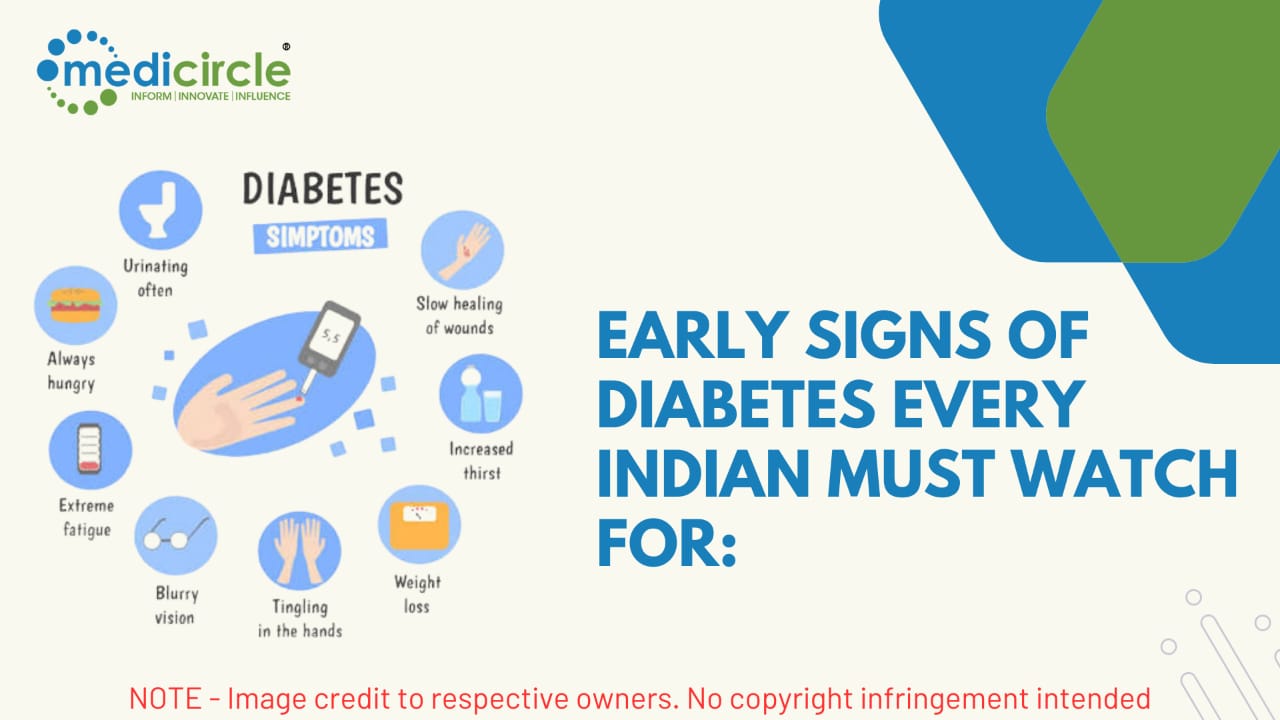
- Always in the bathroom: If you find yourself drinking water non-stop but still feeling parched, take note. This extreme thirst often goes hand in hand with needing to urinate frequently, even at night. What is happening? Your kidneys are working extra hard to manage high sugar levels in your blood. When they cannot keep up, sugar passes into your urine, pulling water along with it and leaving you constantly dehydrated.
- Feeling tired all the time: A good night’s sleep does not always fix exhaustion. If you are still feeling drained, lazy, or low on energy throughout the day, it could be because sugar is not entering your cells to produce energy. Instead, it stays in your bloodstream, leaving your body starved for fuel.
- Eating more but losing weight: It might seem confusing; you are eating more than usual, yet the number on the scale is dropping. This happens because your body is not able to use the glucose from food properly. So, it starts breaking down fat and muscle for energy, leading to sudden and unexplained weight loss.
- Things look blurry: Blurred vision can be scary. High blood sugar levels can cause swelling in the lens of your eye, making it difficult to focus. The good news? This is often temporary. Once sugar levels are under control, your vision usually returns to normal.
- Cuts take longer to heal: Have you noticed small wounds or bruises sticking around longer than they should? Slow healing is a classic red flag. Elevated sugar levels can affect blood flow and nerve function, delaying recovery and making you more vulnerable to skin or urinary infections.
- Numbness in hands or feet: A tingling sensation, numbness or a burning feeling in your extremities could indicate early nerve damage. This condition, known as neuropathy, results from prolonged high sugar levels affecting your nervous system.
Extra risk for Indians:
Indians are genetically more likely to develop type 2 diabetes. Our diets, rich in carbohydrates like rice and chapati, along with growing consumption of sugary snacks and drinks, add to the risk. There is also a cultural tendency to view weight gain as a sign of good health. Because of this, unintentional weight loss, a key early symptom is sometimes overlooked or even welcomed, when it should not be.
What to do:
Noticing these signs does not mean you have diabetes, but it does mean you should take action. The best thing to do is talk to a doctor. A simple blood test can give clear answers and help you stay ahead of any problems.
This is where platforms like Medicircle make a difference. They provide a space where people can access reliable information and real stories from healthcare professionals and others who have been on the same journey. It is about turning worry into wisdom and taking steps toward better health; together.
Your body speaks in whispers. Learning to listen today can save you from louder troubles tomorrow.






.jpeg)








.jpg)
.jpg)
.jpg)
.jpg)
.jpg)
.jpg)


.jpg)
.jpg)
.jpg)