Tuesday, October 27, 2026
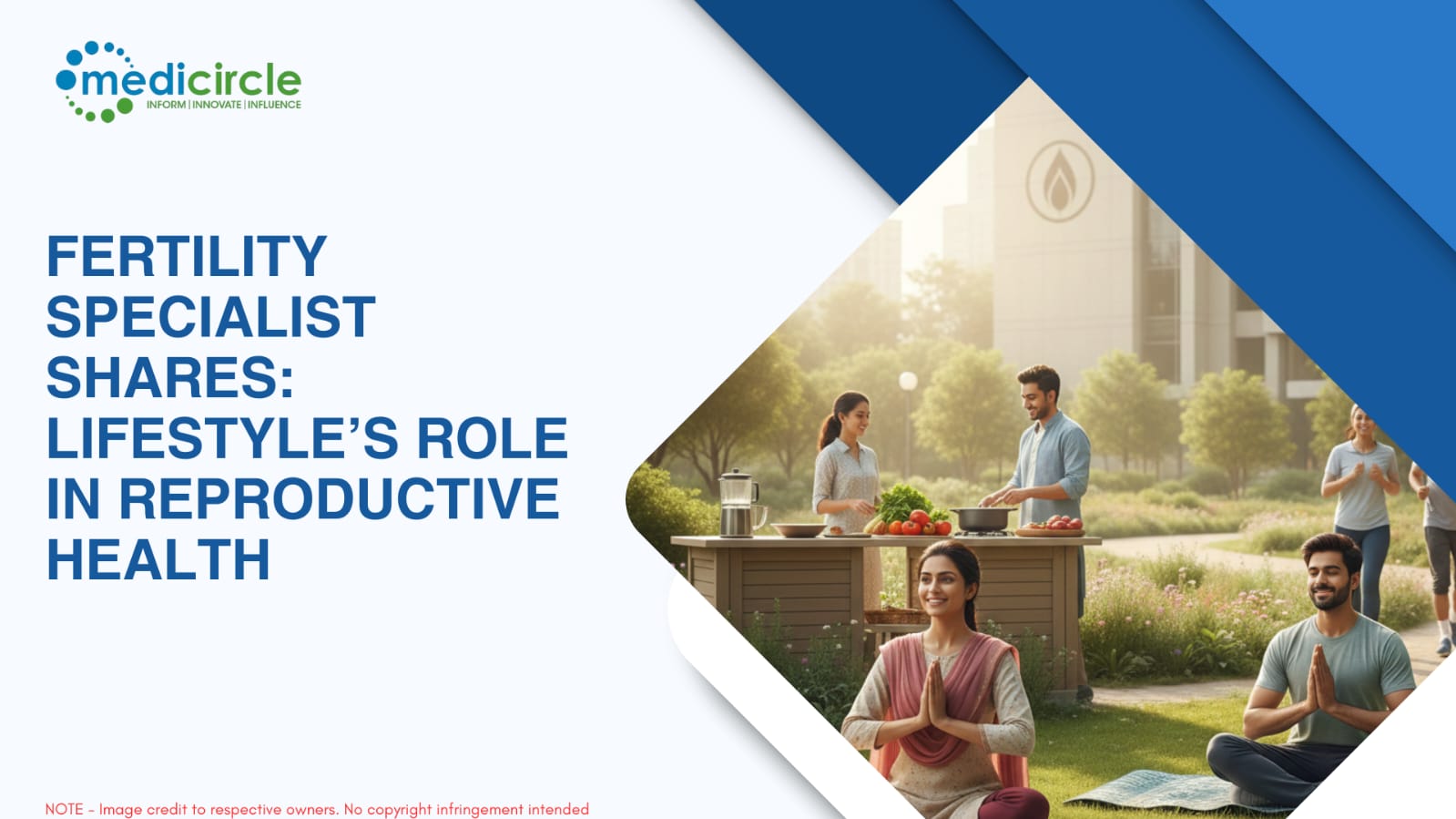
 Daily lifestyle choices such as nutrition, sleep, stress management and environmental awareness play a vital role in supporting hormonal balance and long-term reproductive health.




We often think of fertility as a complex medical matter, which it absolutely can be. It is easy to imagine that solutions lie only in advanced treatments and specialist consultations. But what if some of the most powerful tools for nurturing reproductive health are already in your hands? Leading fertility specialists are increasingly turning the conversation towards a fundamental element: our daily lifestyle.
This is not about adding more pressure, but about recognizing the power of simple, consistent choices. The food on your plate, the quality of your sleep and how you manage daily stress are not just background details. They are active participants in your reproductive story.
Nutrition and body wellness:
Think of your body as a garden. For it to flourish, the soil needs to be nourished. Nutrition plays this exact role.
Food as fuel:
A balanced diet rich in antioxidants found in colorful berries, nuts and leafy greens, along with good fats and whole grains, provides essential building blocks for hormonal balance and cellular health. For many in India, traditional foods like lentils, seasonal vegetables and nuts already form a strong foundation.
The weight factor:
Experts note that both being underweight and overweight can disrupt delicate hormonal cycles. The goal is not an arbitrary number on the scale, but achieving a weight at which the body functions optimally. Regular, moderate activity such as brisk walking, yoga or swimming can improve circulation and metabolic health, creating a more supportive internal environment.
Stress and sleep:
If nutrition is the soil, then stress and sleep are the climate. A thriving garden cannot exist in constant drought or storm.
Stress’s quiet impact:
Chronic stress triggers the release of cortisol, a hormone that can disrupt reproductive hormones such as estrogen and progesterone. In today’s fast-paced world, managing stress is not a luxury but a pillar of health. This may include mindful breathing, engaging in hobbies or speaking openly with a trusted person.
Sleep’s restorative power:
Sleep is when the body repairs itself. Consistent, quality sleep is crucial for regulating the hormones that control the menstrual cycle and ovulation. It is not only about duration but also regularity. Maintaining a steady sleep schedule is a simple yet powerful act of self-care.
The modern hurdles:
Modern life introduces challenges that previous generations did not encounter.
The blue light effect:
Late-night screen use is not just a habit. Blue light from digital devices can suppress melatonin, the sleep hormone, indirectly affecting reproductive hormone regulation. Creating a digital cutoff an hour before bedtime can have meaningful long-term benefits.
Everyday toxins:
Specialists also advise awareness of environmental exposures. Choosing fresh foods over highly processed ones, using glass containers instead of plastic and ensuring good ventilation can reduce the body’s toxic load and support overall hormonal health.
A journey, not a destination:
The message from fertility specialists is one of empowerment. A healthy lifestyle is not a guaranteed or single solution for every fertility challenge, but it is universally beneficial. It helps build a stronger and more resilient foundation for the body, regardless of the journey ahead.
Choosing nourishing food, prioritizing restful sleep or pausing to breathe during a hectic day are small but meaningful acts. These daily decisions signal care and attention to your body. For anyone thinking about reproductive health, this holistic approach is not optional support. It is fundamental self-care and it begins today.





-23-300x250.png)

.jpeg)



.jpg)
.jpg)
.jpg)
.jpg)
.jpg)
.jpg)
.jpg)
.jpg)
.jpg)