 Wednesday, October 28, 2026
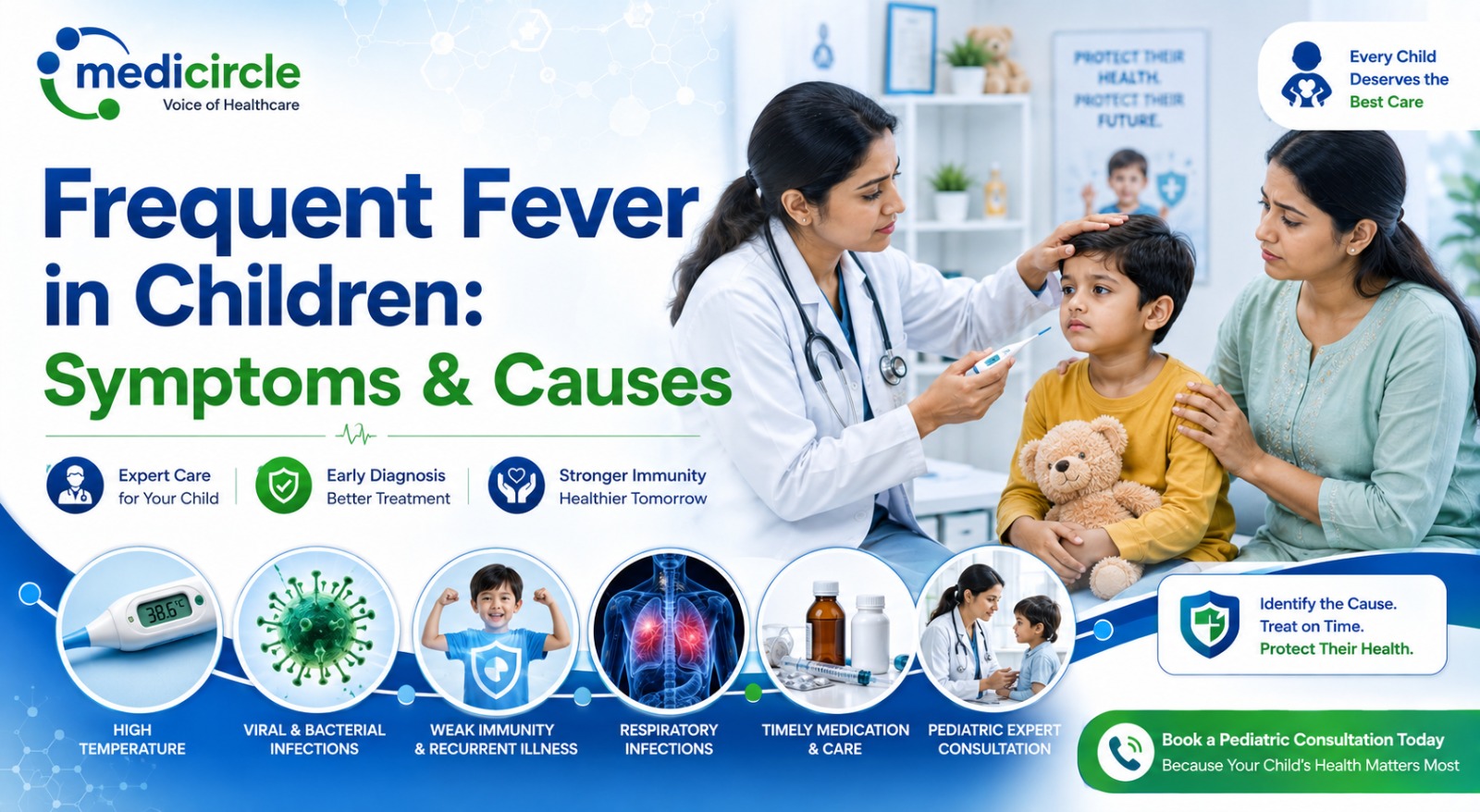
 A fever signals that the immune system of a child is active. While frequent fevers are common, parents must monitor behavior, maintain hydration, and seek medical help for persistent symptoms.




Frequent Fever in Children
In many Indian households, the thermometer is the most utilized tool within the medicine cabinet. There is a nearly universal sense of worry that strikes a parent the moment they feel unusual heat on the forehead of a child. It is vital to understand that a fever is not an enemy. It is a biological signal that the internal defense system of the child is working hard to maintain health and fight off viral fever symptoms.
While a single instance of high temperature is manageable, seeing a young one fall ill repeatedly is emotionally and physically exhausting for any caregiver. Understanding why these episodes occur and learning to distinguish between a routine virus and a serious condition is essential. This knowledge helps keep the family healthy while ensuring that parental stress levels remain under control. By identifying the root causes of recurrent fever in kids, parents can provide better care at home.
Reasons for Frequent Fevers
It often appears that children in India are constantly fighting some form of illness or pediatric fever. This pattern is not merely a result of bad luck. It is a natural consequence of how young bodies grow and interact with their surroundings, especially during seasonal changes.
Developing Immune Systems
Pediatric doctors of India says, one can compare the immune system of a child to a student inside a classroom. To learn how to combat various diseases, the body must encounter different types of germs. For children under the age of five, catching several minor infections every year is considered statistically normal. Each fever serves as a training session for their growing immunity and helps build long term resistance.
Environmental Impact Factors
From the sudden arrival of the monsoon to the presence of dust in urban areas, environmental triggers are everywhere. In a country where communal living and crowded classrooms are standard, germs can spread with great speed. When a child meets a new virus, the body raises its internal temperature. This makes the environment less comfortable for invading germs to survive and replicate.
Recognizing Red Flags
Not all fevers are identical in nature. As a parent, the focus should not solely remain on the numerical value shown on the screen. It is more important to observe how the child is coping with the elevated temperature and whether they show signs of severe viral infection.
Persistent Fever Patterns
A typical viral fever usually resolves within three to five days. If a parent notices a fever lasting longer than one week, it is time to call a pediatrician. You should also seek advice if the fever disappears for two days and then returns with greater intensity. High fevers above 103°F that do not respond to medication require professional medical oversight to rule out bacterial infections.
Behavior and Activity
The mood and energy level of a child are often more informative than the temperature itself. If a child has a fever of 101°F but continues to drink fluids and play, they are likely stable. In contrast, a low fever accompanied by extreme lethargy, constant crying, or a stiff neck is a much higher priority. You must also watch for any unusual rashes that appear during these episodes.
Common Indian Triggers
Identifying the reason behind frequent illness involves looking at the surroundings and daily habits of the child. In the Indian context, specific regional factors often contribute to recurrent illness.
- Chronic Health Issues: Many Indian children struggle with recurring ear infections or tonsillitis. If a child has allergies that remain untreated, the respiratory tract stays inflamed. This creates a playground for bacteria to grow and cause repeated spikes in temperature.
- Nutritional Gaps: Even in comfortable households, gaps in nutrition are quite common. Low levels of Iron, Vitamin B12, and Vitamin D3 are very prevalent in the Indian population. These deficiencies can leave the immune system without the necessary fuel to end an infection quickly.
Effective Home Care
When a child is feeling hot, the primary goal is comfort rather than just achieving a lower number on the thermometer. Proper management can make a significant difference in the recovery time of the child.
- Focus on Hydration: Fever leads to sweating and a loss of fluids. In the warm climate of India, dehydration occurs very quickly. Offer coconut water, buttermilk, or simple soup frequently to keep the child hydrated and maintain electrolyte balance.
- Use Light Clothing: It is a common myth that one should sweat out a fever. Dressing a child in heavy blankets or woolens traps the heat inside the body. It is better to use light cotton clothes to allow the skin to breathe.
- Maintain Proper Airflow: Keep the room well ventilated. There is no need to turn off the fan. A gentle breeze helps cool the skin through the process of evaporation.
- Correct Sponging Technique: Use water that is at room temperature. You must never use ice or very cold water for sponging. Cold water causes shivering, which generates more internal heat and increases discomfort.
Necessary Medical Tests
If fevers become a monthly occurrence, a doctor might suggest a few basic investigations. These tests are simple tools used to rule out underlying health issues like chronic infections or inflammatory conditions.
|
Investigation Name |
Purpose of Test |
|---|---|
|
Complete Blood Count |
Checks for bacterial infection or anemia signs. |
|
Urine Routine Test |
Identifies silent urinary tract infections in kids. |
|
C-Reactive Protein |
Measures the level of inflammation in the body. |
|
Chest X-Ray |
Rules out lingering infections like bronchitis. |
Strengthening Child Immunity
A parent can reduce the number of sick days by focusing on several foundational habits. Consistency is the most important factor in seeing results and reducing the frequency of pediatric illness.
- Hygiene Practices: Teaching a child to wash their hands is the most effective way to stop germs. This prevents the spread of illness from the school to the home.
- Vaccination Routine: Beyond the mandatory shots, discuss the flu vaccine with a doctor. This can significantly reduce the number of fever episodes during seasonal changes.
- Quality Sleep: The immune system repairs itself during deep sleep. Ensure that the child follows a regular schedule without too much screen time before bed.
- Nutritious Diet: Move beyond simple meals. Include colorful vegetables and proteins to ensure the child is not lacking in essential minerals and vitamins.
Frequently Asked Questions
Can I give medication for every mild fever?
It is usually better to wait if the fever remains below 101°F and the child appears comfortable. Allow the body to fight the infection naturally first. Always follow the specific dosage instructions provided by your pediatrician for fever reducers.
Is fever common during weather changes?
While it is common, it often points to a sensitive respiratory system. Managing underlying allergies can frequently stop the cycle of recurring fevers during these transitions.
Does cold weather cause a fever?
Cold weather does not directly cause a fever. However, viruses thrive in cooler temperatures. People also gather together indoors, which makes it much easier for germs to spread between individuals.
When is a fever an emergency?
If a child has a seizure or finds it difficult to breathe, you must act fast. A purple rash or an inability to keep fluids down are also reasons to go to the emergency room immediately.
Conclusion and Support
Watching a child struggle with recurring fevers is one of the most difficult parts of being a parent. In the vast majority of cases, these episodes are merely the growing pains of a developing immune response.
By staying observant and prioritizing good nutrition, you can navigate these challenging years with total confidence. You are not alone in this process. Pediatricians and reliable health platforms like Medicircle are available to provide the expert guidance you need to ensure that your little one continues to thrive and stay healthy throughout the year.





-23-300x250.png)

.jpeg)








.jpg)
.jpg)
.jpg)
.jpg)
.jpg)
.jpg)
.jpg)
.jpg)
.jpg)

