 Tuesday, October 27, 2026
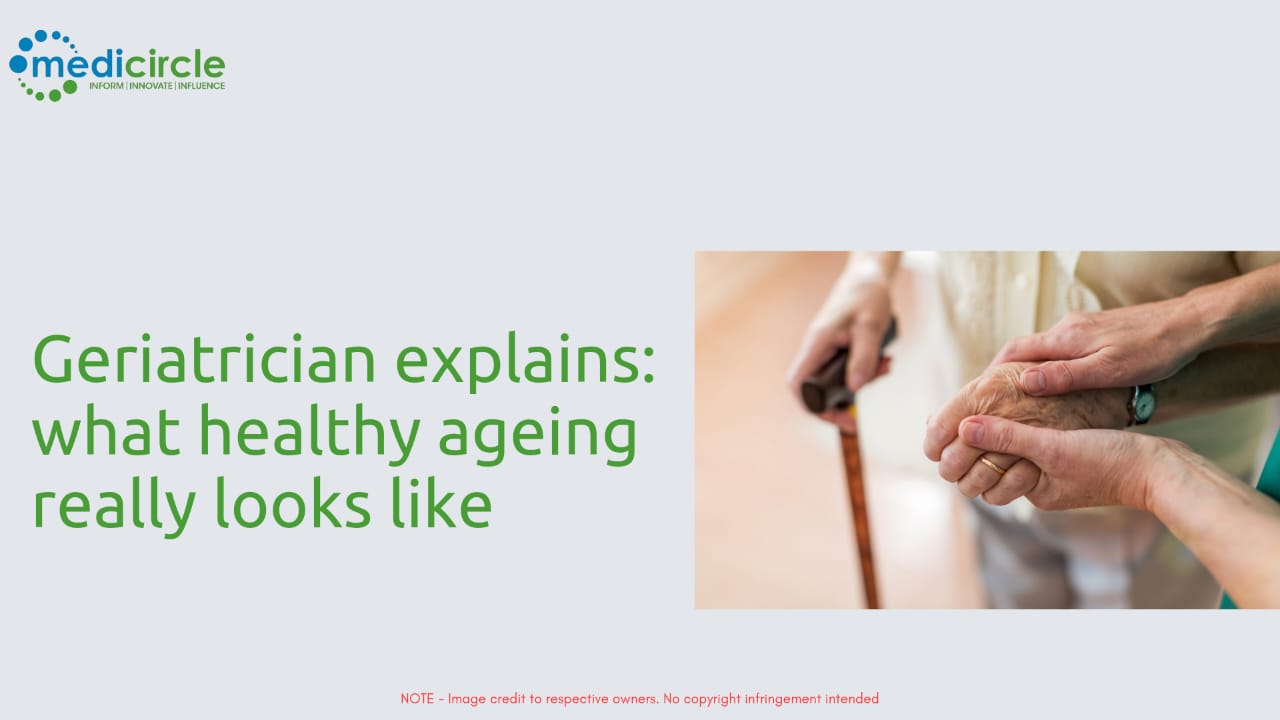
 This article explains what healthy ageing truly means and highlights practical habits that protect independence, strength and emotional wellbeing, helping individuals stay active and fulfilled in their later years.




Let us be honest. Thinking about getting older brings up many feelings. We want those later years to be good ones, full of family moments, quiet contentment and health. But a small voice of worry often whispers about aches, pills and losing independence. Here is something important to understand: healthy ageing is not about never having a health problem. That is an unrealistic goal. Doctors who specialize in elder care called geriatricians, tell us it is about something much more meaningful. It is about keeping your ability to do the things you love.
It is about having the strength to play with your grandkids, the clarity to manage your home and the vitality to enjoy your morning walk. This is not just good luck; it is a result of daily, practical choices that add up over time.
Redefining health in ageing:
So, if it is not just the absence of disease, what is it? Think of it as your functional ability. It is your personal capacity to live life on your terms. The World Health Organization frames it as the ability to be and do what you value.
For some, that value is cooking their own meals. For others, it is managing their finances, learning a new skill like pottery or volunteering at a local temple. It means moving around your home and community safely. It thrives on deep conversations with old friends and the joy of feeling needed. Healthy ageing means you might have a medical condition, like diabetes or arthritis, but you are actively managing it in a way that does not steal your joy. The focus shifts from just the illness to you as a whole person.
Building your foundation:
Geriatricians see that long term wellness is built on several pillars working together. Neglect one and the others feel the strain. You can start strengthening these today.
Eat like every bite matters: Consider your plate as your first medicine. Indian kitchens are already filled with ageing superfoods. Think beyond just eating. A diet leaning heavily on plants gives you the nutrients you need. Daily dal, seasonal green leafy vegetables like palak and methi, nuts and whole grains like jowar and ragi build muscle and bone strength. The shift is simple: choose more home cooked, whole foods and fewer packaged snacks.
Move to stay strong: Around our 50s, we naturally begin to lose muscle mass, a condition known as sarcopenia. This is why balance can waver. The antidote is not exhausting gym sessions. It is gentle, consistent movement. Aim to get your body moving for about 30 minutes most days. A brisk walk in the park is perfect. Just as crucial are simple strength exercises. Try rising from your chair without using your hands ten times a day. Practice sitting cross legged on the floor and getting back up. These small actions maintain the muscle that keeps you independent.
Review your medicines seriously: This is a critical step many miss. As we age, it is common to take multiple pills. This polypharmacy can sometimes cause more problems than it solves, leading to dizziness or confusion. Make it a non-negotiable rule: every six months, take all your medicine bottles to your doctor. Sit down and ask, “Is this dose still right?” or “Can we stop any?” Simplifying your medication can feel like a cloud lifting.
Power of Conversation: Loneliness can be as harmful as a physical illness. Strong social ties keep your mind sharp and your spirits high. Make that weekly call to your friend. Visit the community center. Share tea with your neighbors. This connection is a powerful tonic for a long, happy life.
Best time to start is now:
Perhaps the most hopeful message is this: it is never too late. Good habits started at 40 build a robust foundation. But positive changes made at 70 or 80 can dramatically improve your quality of life. The question is not “Am I healthy?” but “What matters to me right now?”
Does your goal involve travelling to a pilgrimage site? Reading without eye strain? Being able to lift your grandchild? Your personal health plan should be built around these authentic desires.
Growing older well is an active journey. It is shaped by the food on your plate, the steps you take, the medicines you review and the people you cherish. It is about working with a doctor who looks at you, not just your chart. By making these choices, you are not just adding years to your life, you are adding rich, fulfilling life to your years.





-23-300x250.png)

.jpeg)






.jpg)
.jpg)
.jpg)
.jpg)
.jpg)
.jpg)
.jpg)
.jpg)
.jpg)



