 Tuesday, October 27, 2026
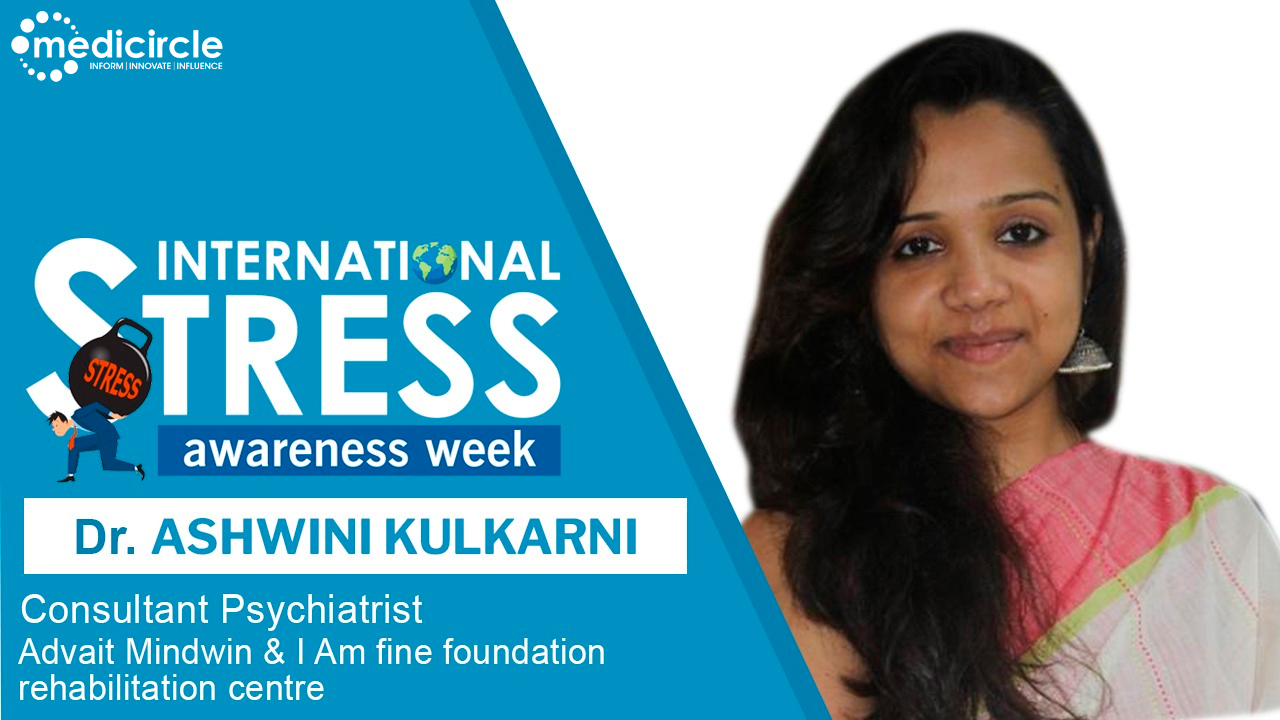
 Stress can manifest itself into many physical diseases. Learn 4 habits that can help you avoid stress.




The feeling of being overwhelmed or unable to cope with mental and emotional pressure is stress. Stress is our body’s response to pressure. Many different situations or life events can cause stress. Sometimes, this stress response can be useful: it can help us push through fear or pain. However, too much stress can cause negative effects. Long term, this can affect our physical and mental health.
As per the result of a large-scale survey conducted across India in 2019, young adults between the age of 20 and 29 years of both genders were the most stressed in the country. The major cause of high-level stress among young people are peer pressure, pressure to succeed in academics or work and irregular routines. 50% of Indian professionals have reported that an uncertain future is their topmost source of stress as was revealed in a recently concluded survey by The7thFold, a boutique HR and Wellbeing firm.
Every year, the world celebrates International Stress Awareness Week from 1st to 5th November. The day encourages people to sit back, unwind and embrace peace. Awareness about this become even more significant this year due to the tough times people across the world have gone through in the COVID-19 outbreak. We at Medicircle are conducting International Stress Awareness Week Series wherein we will be featuring experts in this field to understand and create more awareness about the effects of stress.
Dr Ashwini Kulkarni is a Consultant psychiatrist at Pune. She is currently working at Advait Mindwin and is associated with I Am Fine foundation rehabilitation centre. She holds an experience of 12 years in Depression and anxiety, psychosis, stress management, child and adolescence. She believes in counselling giving sufficient time to patients and family members and medication.
Causes of Stress
Dr Kulkarni begins, "Every individual is unique in the way they behave and handle different situations. The body's reaction to such events is called stress. Stress can be both positive and negative."
"Positive stress can be getting a promotion, getting a new job, pregnancy and more. Though the events are exciting, it enables certain change in your body and mind. On the other hand, there are negative stress like losing a loved one, unemployment, break-ups and more."
"With COVID-19 we see a lot of uncertainty and helplessness amongst many people. This feeling too can cause many to develop stress. Stress has no age barrier. Everyone from school going kids to elderly people is going to stress."
When should one get professional help to manage stress?
Dr Kulkarni says, "Stress is going to affect one physically, cognitively and emotionally. So if you start noticing that you can't concentrate on your work, you are overthinking more often or your relationship with your family and friends are getting affected, you need to get professional help to deal with stress."
"If you start noticing the physical effect of stress in terms of frequent headaches, disturbed sleep, binge eating or binge-watching, then you need to seek help. If you resort to drinking and smoking to relieve stress, then such temporary solutions will not help you in the long-term."
"It is important to share your emotions with people, to relieve your mind. Listening without judgement is very important in such cases. This is where the role of a psychologist is essential. When under stress don't bottle up your feelings for long."
"If stress remains untreated for a long while it develops into chronic stress. Chronic stress can manifest into many severe health issues where one will be forced to visit a cardiologist and gastrologist. If treated earlier, many such problems would not have taken place."
Professional Help for Stress
Dr Kulkarni mentions, "Mental health professionals like psychiatrists and psychologists can help you. Psychiatrists are doctors who have completed their MBBS and MD. We can diagnose your condition and administer both counselling and medication. Psychologists on the other hand are skilled in counselling and therapy."
"They provide therapies like cognitive behavioural therapy, rational emotive behaviour therapy amongst others. The treatment depends on the severity of the duration, situation, stage and family history."
"A common myth that many believe in is that mental health professionals would just administer sleeping pills. On the contrary, there are times when we work to get people hooked on sleeping pills out of their addiction."
"When a person suffers from diabetes or BP, they cannot stop their medication otherwise their BP and sugar levels will shoot up. Similarly, abruptly stopping our medication will relapse the disease. There is a way in which we slowly ease the patient into not taking medicines."
"Just like physicians recommend medicines to lessen pain. Even psychiatrists recommend medicines only to treat the condition. We don't make people fall into addiction. If the illness can get cured with counselling, psychiatrists will then not administer medicines."
Habits to Reduce Stress
She explains, "We always recommend lifestyle modifications to our patients. But the key work we stress is Habit. When one is suffering they will follow everything to get their health and peace. This set of changes should continue even after you achieve your health. It should be lifelong."
"The first thing you need to pay attention to is your diet. Make sure your diet is good to then later not rely on artificial supplements."
"Follow cardio exercises like brisk walking. If you want to go to the gym, then engage in cardio first before you go for weight training."
"Meditation is a must. Meditation is not something that you'll master in the first go. But gradually after continuous efforts, you will be able to do it."
"Most importantly, have a good social connection. Engage in relationships that give you positivity and motivation. If they don't then rethink about the relationship."
(Edited by Priyal Shah)




-23-300x250.png)

.jpeg)






.jpg)
.jpg)
.jpg)
.jpg)
.jpg)
.jpg)
.jpg)
.jpg)
.jpg)

