 Thursday, November 19, 2026
 Timely Diagnosis & Precision Surgery Help Young Atharwa Overcome Wilms Tumour & Return To A Normal Childhood.





Nashik, June 08: In a rare and remarkable case, doctors at HCG Manavata Cancer Centre (HCGMCC) successfully treated a two year-old child diagnosed with Wilms Tumour, the most common form of kidney cancer seen in children. The young patient, Atharwa from the city, underwent a surgery in which a tumour weighing nearly one kilogram was removed from his body, despite the child weighing just eleven kilograms. What began as a routine bath soon turned into a life changing discovery for Atharwa’s family. His mother noticed an unusual swelling in his abdomen and initially, dismissed it as nothing serious, as the child remained active, playful and showed no signs of discomfort. However, when Atharwa later passed blood in his urine, his parents immediately sought medical attention.
Wilms Tumour is a rare childhood cancer that primarily affects children under the age of five. While the diagnosis can be alarming for families, advances in paediatric oncology, surgery and supportive care have significantly improved treatment outcomes, especially when detected early.
Following a series of investigations, including a PET-CT scan, doctors confirmed the presence of a large tumour in the child’s left kidney. Fortunately, further evaluation revealed that the cancer was confined to the kidney and had not spread to other parts of the body, significantly improving the chances of successful treatment.
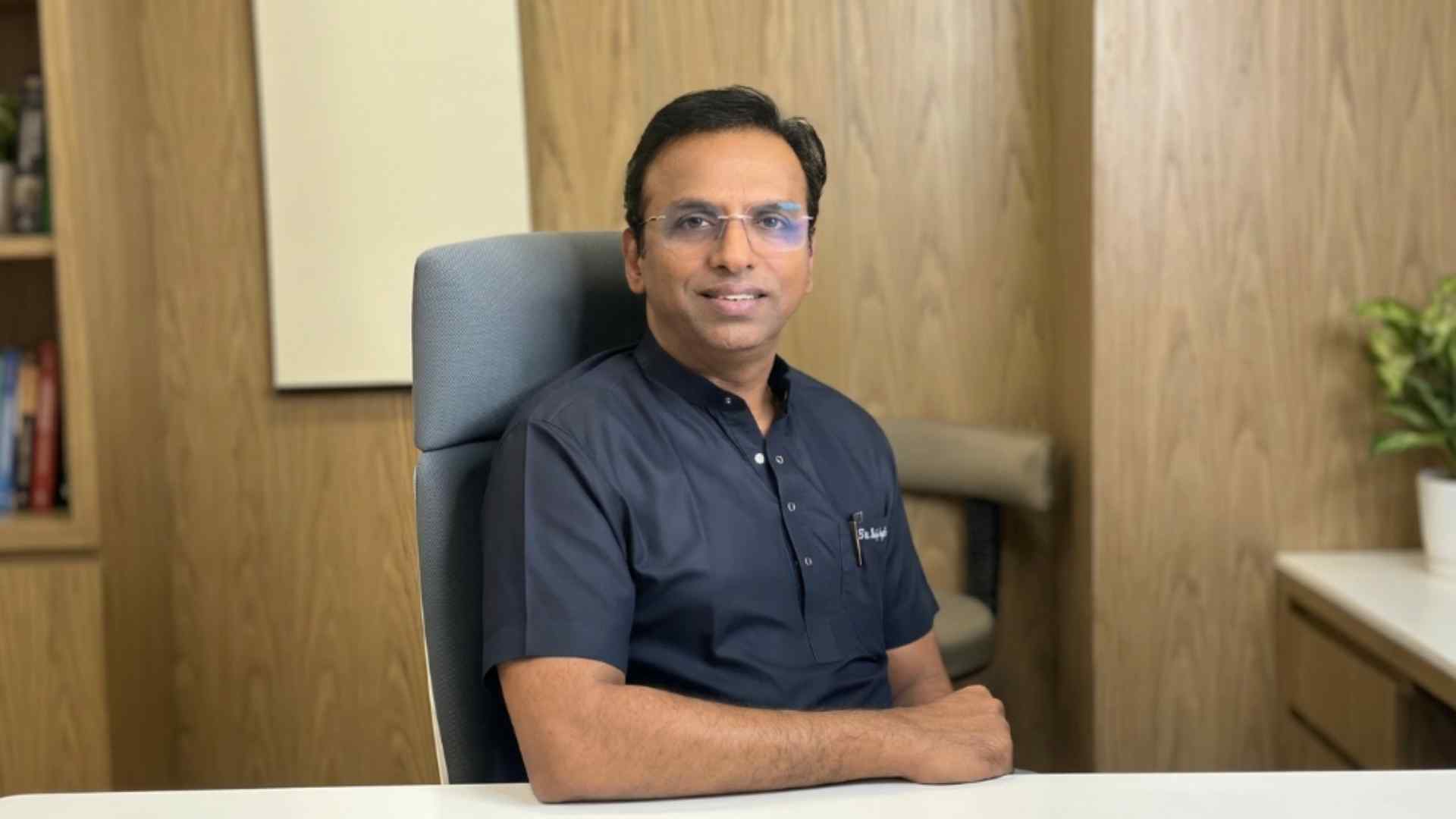
“Based on the sonography report, we conducted investigations which confirmed that Atharwa was suffering from Wilms Tumour. After detailed discussions with the family, our multidisciplinary team decided to proceed with the surgery. The operation, which lasted for an hour and a half, involved the successful removal of the tumour using advanced surgical techniques designed to minimise blood loss and ensure maximum safety for the young patient,” says Prof Dr Raj Nagarkar, Chief of Surgical Oncology & Robotic Services and Managing Director, KIMS Manavata Hospitals, HCG Manavata Cancer Centre and Six Sigma, Nashik.
“To support a smooth recovery, our doctors employed specialised postoperative pain management techniques, including the placement of a pain control catheter through the back. Atharwa responded exceptionally well and was discharged just three days after surgery. Within days, he was back home, smiling, playing and enjoying the carefree moments of childhood once again,” adds Dr Nagarkar.
Like many parents faced with such a diagnosis, Atharwa's family worried about whether the kidney could be saved and whether their child would be able to lead a normal life with only one functioning kidney. The medical team at HCGMCC counselled the family extensively and reassured them that individuals can enjoy a completely healthy and active life with a single kidney.
“Treating cancer in children requires not only medical expertise but also immense emotional support for families. Several years ago, we treated a one year-old child with Wilms Tumour who underwent surgery, chemotherapy and radiation therapy. Today, he is 18 years old, healthy and studying to become an engineer. When such children come back to meet us years later, it is difficult to believe they once battled cancer. Those moments bring immense satisfaction and remind us why we do what we do. Seeing Atharwa recover and return to a normal life is extremely gratifying for our entire team,” concludes Dr Nagarkar.
Today, Atharwa continues to do well and remains under regular follow-up care. His journey stands as a powerful reminder that early diagnosis, timely intervention and specialised cancer care can help children overcome even serious illnesses and look forward to a bright and healthy future.





-23-300x250.png)





















