 Tuesday, October 27, 2026
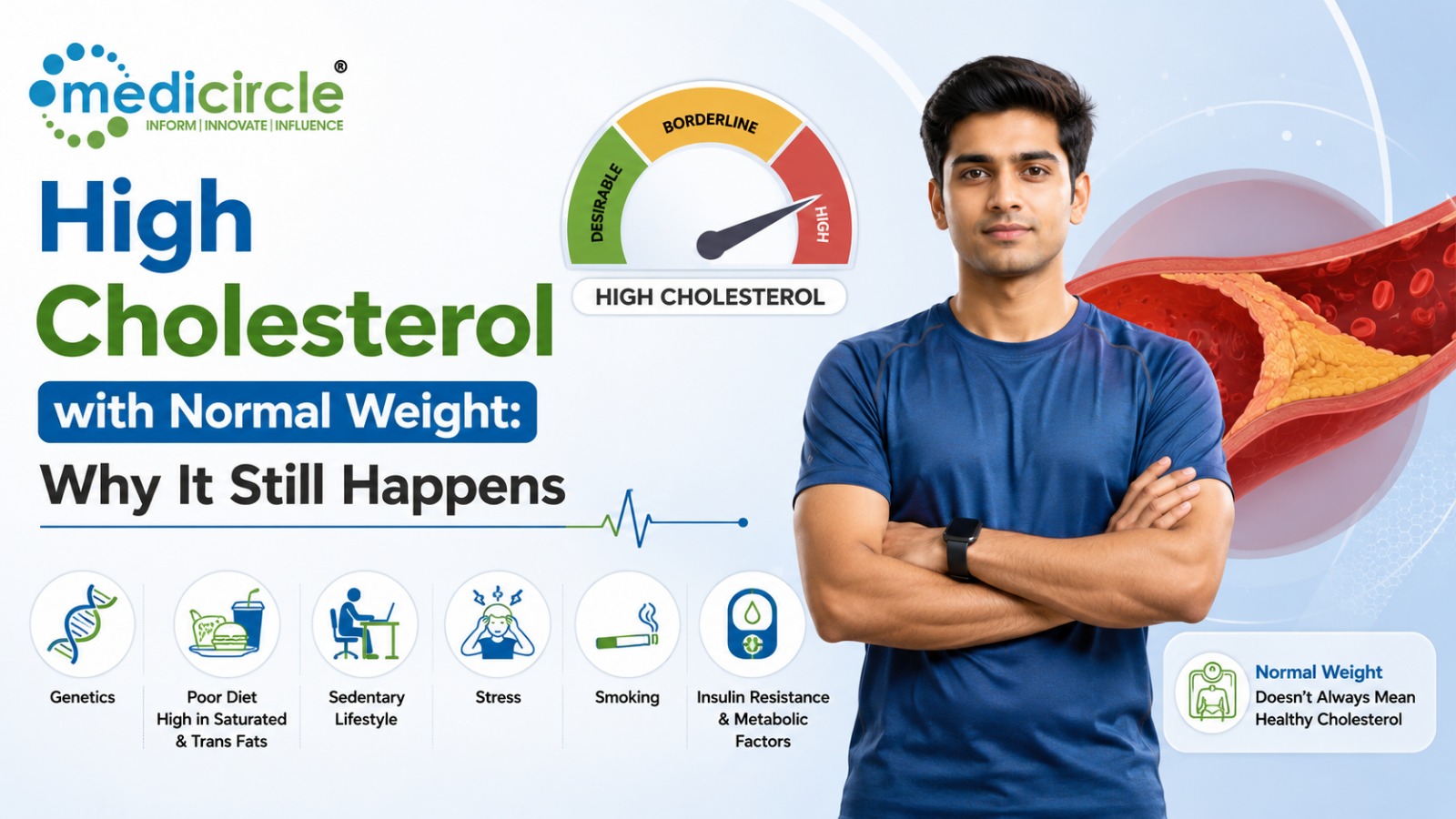
 High cholesterol often affects individuals with a normal weight due to genetics, visceral fat, and sedentary habits. Regular diagnostic screenings are essential to discover these hidden cardiovascular risks early.




High Cholesterol with Normal Weight: Why It Still Happens
Many individuals naturally assume that maintaining a lean physique or a healthy body mass index automatically guarantees excellent heart health. There is a deeply ingrained belief that lipid issues belong exclusively to those who carry extra body weight. However, clinical realities tell a very different story. It is incredibly common for individuals who look perfectly fit on the outside to find elevated lipid numbers on a routine blood test, leaving them confused and concerned. Understanding high cholesterol symptoms and structural high cholesterol causes is essential because outward physical appearance can easily mask serious underlying metabolic disruptions.
True cardiovascular wellness extends far beyond the numbers on a weighing scale. Managing your lipid profile involves an intricate interplay of liver function, cellular health, and daily lifestyle choices. For individuals in India, where cardiovascular risks are uniquely pronounced across all body types, assuming fitness based solely on physical appearance can be risky. Prioritizing internal wellness means recognizing that metabolic health does not always mirror external shape, making regular medical evaluation and monitoring normal cholesterol levels an essential tool for long-term survival.
Understanding Cholesterol Basics
To grasp why a slim person might struggle with lipid numbers, we must first look at what cholesterol actually does in the body. This soft, waxy substance is produced naturally by the liver and is vital for human survival. The body relies on it to build protective cell membranes, produce crucial hormones, and process vitamin D. When patients research how to reduce cholesterol, they must first learn the difference between the primary types of lipoproteins moving through their bloodstream.
Because cholesterol is a fat, it cannot travel freely through the water-based bloodstream on its own. To circulate, it binds to specialized proteins, forming packages called lipoproteins. Medical professionals categorize these carriers based on how they impact the blood vessels.
LDL Cholesterol
Low-density lipoprotein, or LDL, is the carrier responsible for delivering cholesterol from the liver to the cells. While it is necessary in moderation, an overabundance of LDL causes severe problems. Excess particles slowly settle into the inner lining of the blood vessels, forming thick, rigid barriers known as plaque. This condition, called atherosclerosis, restricts smooth blood circulation and serves as a major driver for heart attacks. Understanding how to lower LDL cholesterol is a primary objective for patients trying to mitigate long-term cardiovascular risks.
HDL Cholesterol
High-density lipoprotein, or HDL, acts as the natural vascular maintenance team of the body. This protective lipoprotein seeks out stray cholesterol in the bloodstream and returns it safely to the liver, where it can be broken down and eliminated. Maintaining robust HDL levels is a cornerstone of natural cardiovascular defense and is vital for keeping a balanced total lipid count.
Hidden Causes Exposed
A stable, healthy body weight simply indicates that the overall calorie intake matches the energy output. It does not guarantee that the internal biochemistry is balanced. Several distinct factors explain how high cholesterol can quietly develop behind a lean exterior.
Genetics and Family
The personal genetic blueprint largely dictates how the liver processes fats. Some individuals inherit genetic variations that cause the liver to synthesize excessive amounts of cholesterol, or render the body less capable of clearing out circulating LDL. The most severe manifestation is Familial Hypercholesterolemia, a genetic condition where individuals maintain a perfect diet and active lifestyle yet still show dangerously high cholesterol levels from youth. A family history of early heart complications remains an essential indicator of personal risk.
The Thin-Fat Phenotype
A specific body composition known as Thin on the Outside, Fat on the Inside is highly prevalent among South Asian populations. Even with a completely normal body mass index, a person can accumulate an unhealthy volume of visceral fat. This hidden fat wraps tightly around abdominal organs like the liver and pancreas. Visceral fat is highly metabolic and releases inflammatory signals that disrupt liver lipid processing, causing an increase in bad cholesterol and a drop in protective HDL.
Fast Metabolism Myths
A naturally high metabolism sometimes creates a false sense of dietary freedom. A slim individual might regularly consume foods high in saturated fats, trans fats, and simple sugars without gaining a single pound. In the Indian context, frequent consumption of processed bakery items, deep-fried foods cooked in reheated oils, and refined carbohydrates quietly forces the liver to elevate its LDL output, regardless of the waist size of the consumer. This makes learning how to lower cholesterol fast through targeted dietary corrections incredibly relevant.
Inactive Daily Routines
A sedentary lifestyle damages vascular health independently of body weight. Regular movement, particularly aerobic exercise, activates key enzymes that sweep LDL cholesterol out of the bloodstream and into the liver for disposal. Spending long hours sitting at a desk with minimal daily movement suppresses these protective mechanisms, causing a progressive drop in HDL and a steady rise in harmful cholesterol.
Stress and Sleep
Persistent psychological pressure and poor sleep habits take a measurable toll on the human metabolism. Chronic stress floods the body with cortisol and adrenaline, hormones that prompt the liver to release extra glucose and fatty acids for quick energy. This hormonal shift alters the metabolic rhythms of the liver, hampering the natural ability of the organ to filter out excess lipids overnight.
Risks for Indians
When evaluating cholesterol patterns, regional genetics and biology play a defining role. Research consistently demonstrates that individuals of South Asian descent face a significantly higher and earlier risk of developing coronary complications compared to other global populations. This vulnerability persists even among those who maintain a normal weight.
The Indian population frequently presents with smaller, denser LDL particles, which penetrate and damage arterial walls much more easily. Additionally, widespread patterns of insulin resistance lead to a specific type of lipid imbalance characterized by elevated triglycerides and depleted HDL levels. Relying on visual fitness alone can mask these underlying metabolic realities.
Silent Health Threats
High cholesterol is widely recognized as a silent health threat because it causes no outward physical symptoms or discomfort. A person cannot feel plaque building up inside the vascular system. Without proactive medical tracking, the very first indication of a lipid imbalance could be a sudden, severe medical emergency.
Vascular Plaque Damage
As unmanaged LDL cholesterol continues to accumulate, it oxidizes and triggers a localized immune response within the arterial walls. This ongoing inflammation creates rigid, fibrous plaques that narrow the blood vessels over time. The resulting drop in blood flow deprives the heart muscle of necessary oxygen, manifesting as chest discomfort or progressive cardiovascular disease.
Cardiovascular Emergencies
The primary danger of advanced arterial plaque is structural instability. If a plaque deposit tears or ruptures, the body rapidly forms a localized blood clot to mend the injury. This clot can completely shut down blood flow through the artery. A sudden blockage in a vessel feeding the heart triggers a heart attack, while a similar blockage in an artery leading to the brain cuts off the oxygen supply, resulting in a stroke.
Essential Diagnostic Methods
Because physical appearance cannot reveal the true condition of the blood vessels, laboratory diagnostics are the only definitive way to measure cardiovascular health. Standard medical screenings ensure that silent metabolic changes are addressed before they impact long-term well-being. Knowing the benchmarks for normal cholesterol levels for men and normal cholesterol levels for women helps patients interpret their laboratory findings accurately.
Lipid Profile Tests
A foundational lipid panel is a simple blood test performed after an overnight fast of nine to twelve hours. This test breaks down total cholesterol, LDL, HDL, and triglyceride levels. Medical professionals generally advise all adults over the age of twenty to complete this screening every few years, increasing the frequency if a family history of heart disease is present.
Advanced Cardiac Markers
When a slim individual has a strong family history of early cardiac events but presents with borderline normal routine lipid scores, doctors may utilize deeper diagnostic testing. Evaluating specific markers like Apolipoprotein B or Lipoprotein A provides a precise count of actual plaque-forming particles in circulation, allowing for a highly specialized preventative strategy.
H2: Effective Management Steps
Discovering elevated lipid levels when you are already at a healthy weight can feel discouraging, but the condition responds remarkably well to targeted management strategies. Combining systematic daily modifications with expert medical oversight can successfully normalize the metabolic profile.
Dietary Nutrition Shifts
Adjusting nutritional habits can significantly reduce circulating cholesterol. The primary goal is to minimize trans and saturated fats while drastically increasing the intake of soluble fiber. Soluble fiber binds to cholesterol within the digestive tract, helping to clear it from the body naturally.
- Prioritize whole grains such as oats, unpolished millets, and brown rice.
- Increase daily portions of fresh vegetables, legumes, and whole fruits to adopt a sustainable high cholesterol diet.
- Switch to cooking oils rich in monounsaturated fats, such as mustard or olive oil, utilized in moderate amounts.
- Reduce the intake of ultra-processed snacks, commercial baked goods, and sugary drinks.
Purposeful Exercise Routines
Even when weight reduction is not necessary, regular exercise remains a vital tool for improving lipid behavior. Physical activity alters the physical structure of LDL particles, making them less likely to damage the blood vessels, while simultaneously elevating protective HDL numbers. Aim for at least 150 minutes of moderate aerobic activity, like brisk walking or cycling, distributed evenly throughout the week.
Rest and Relaxation
Caring for the nervous system provides direct metabolic benefits. Dedicating time to proven stress-relief practices, such as mindfulness, breathwork, or engaging hobbies, helps keep stress hormones balanced. Establishing a regular sleep schedule with seven to eight hours of solid rest gives the liver the uninterrupted time it needs to manage fats efficiently.
Medical Therapy Options
When lifestyle adaptations are not enough to bring numbers into a safe range, which is frequently the case with inherited conditions like Familial Hypercholesterolemia, prescribed high cholesterol treatment and medications become a necessary and protective step. First-line therapies like statins work reliably by lowering the internal cholesterol synthesis of the liver and stabilizing existing vascular plaques to prevent future complications. Using medication is simply a practical way to support internal biology when lifestyle shifts need extra assistance.
Summary of Insights
Staying within a healthy weight bracket is an excellent foundation for health, but it does not provide total immunity from vascular issues. Experiencing elevated cholesterol while slim highlights the fact that metabolic health is a complex process occurring deep within the cells. Genetic factors, hidden visceral fat deposits, sedentary routines, and specific regional variations mean that plaque accumulation can affect anyone, regardless of body shape.
Protecting longevity requires looking deeper than a reflection in the mirror. By keeping up with routine lipid screenings, choosing heart-healthy nutrition, maintaining consistent daily movement, and working closely with medical professionals, you can confidently take ownership of your internal well-being. True health is a reflection of what is happening inside the body, and regular diagnostic awareness ensures that the heart remains strong for years to come.
Patient Information Questions
Can a thin person have high cholesterol?
Yes, high cholesterol can affect people of any body shape or size. In individuals with a normal weight, elevated lipid numbers are typically influenced by genetic factors, lack of regular physical activity, high stress levels, or a diet heavy in saturated and trans fats.
How often should a normal-weight adult test their cholesterol?
Medical professionals recommend that adults over the age of twenty undergo a complete lipid profile test at least once every three to five years. If you have an underlying condition like diabetes or a family history of early heart disease, testing should be performed annually or as directed by your physician.
What is the thin-fat phenotype?
The thin-fat phenotype, often referred to as Thin on the Outside, Fat on the Inside, describes individuals who maintain a normal body weight and look lean externally but carry dangerous levels of visceral fat around their abdominal organs. This hidden fat can trigger significant metabolic issues, including high cholesterol and insulin resistance.
Can lifestyle changes alone cure genetic high cholesterol?
While a nutritious diet and consistent exercise are vital components of cardiovascular health, they are often insufficient on their own to overcome inherited conditions like Familial Hypercholesterolemia. In these scenarios, medical prescriptions are usually required alongside healthy lifestyle habits to lower risks effectively.
Does high cholesterol cause obvious warning signs?
No, high cholesterol is entirely asymptomatic and does not cause physical warning signs. The only definitive way to find out if your lipid levels are elevated is through a routine fasting blood test.





-23-300x250.png)

.jpeg)







.jpg)
.jpg)
.jpg)
.jpg)
.jpg)
.jpg)
.jpg)
.jpg)
.jpg)

