Tuesday, October 27, 2026
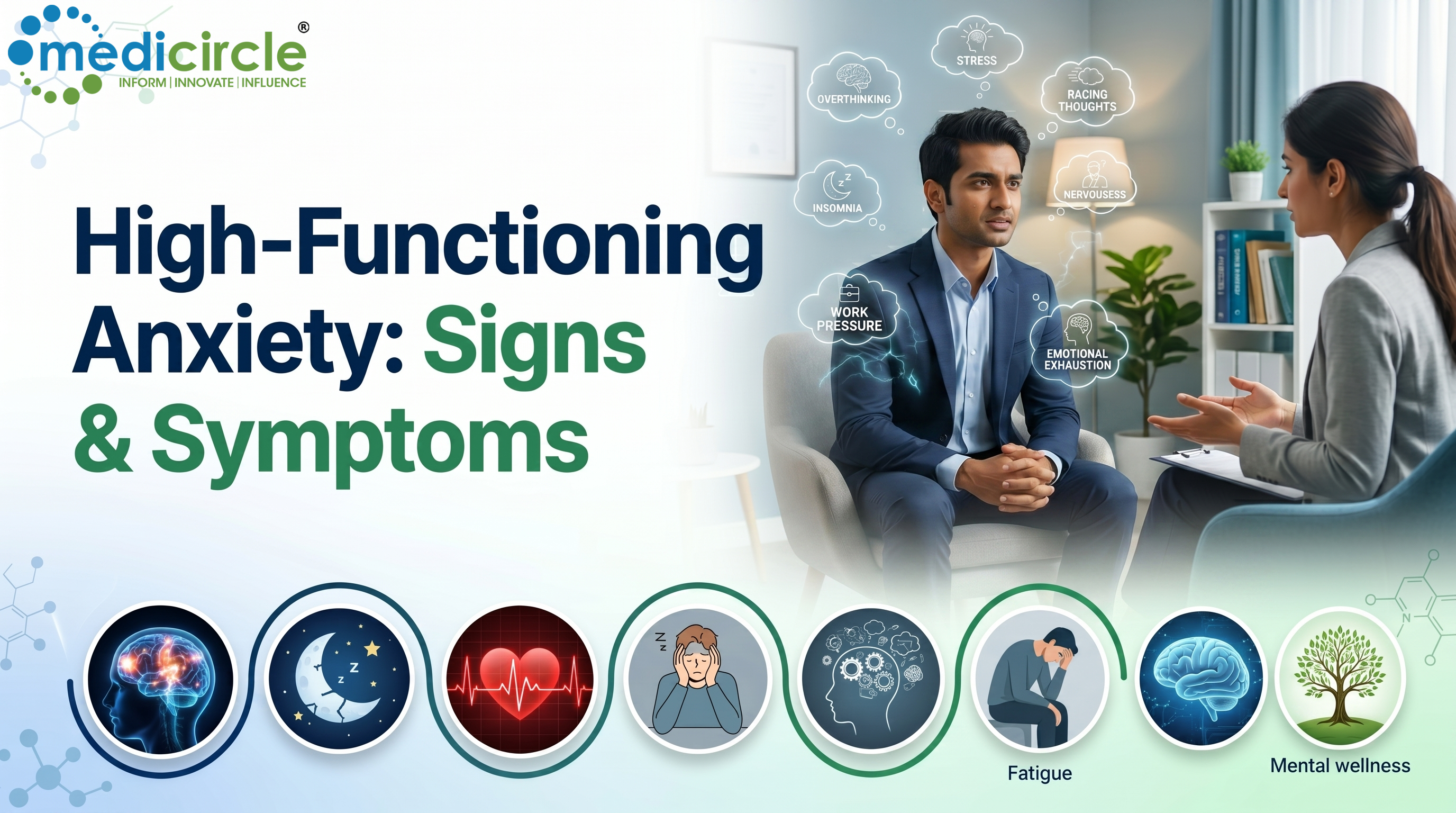
 High-functioning anxiety often hides behind success, perfectionism, and constant productivity. While outwardly capable and organized, individuals may silently struggle with overthinking, emotional exhaustion, insomnia, and fear of failure. Recognizing the signs early and seeking balance, boundaries, and support can improve long-term mental well-being.




High-Functioning Anxiety: The Hidden Struggle Behind Success
Anxiety is not always visible. Some people openly struggle with panic attacks, emotional overwhelm, or avoidance behaviors. Others continue functioning at high levels academically, professionally, and socially while privately battling constant worry, perfectionism, and mental exhaustion. This experience is commonly described as high-functioning anxiety.
People with high-functioning anxiety are often viewed as reliable, successful, ambitious, and organized. They meet deadlines, maintain responsibilities, and rarely appear emotionally distressed in public. However, behind this outward composure may exist relentless overthinking, fear of failure, excessive self-criticism, and difficulty relaxing.
Unlike anxiety that visibly disrupts functioning, functional anxiety frequently becomes hidden behind productivity. Many people continue achieving externally while emotionally operating in "survival mode" internally.
Note: Although high-functioning anxiety is not an official clinical diagnosis in the DSM-5, mental health professionals increasingly recognize it as a common pattern associated with chronic stress responses and traits overlapping with Generalized Anxiety Disorder (GAD).
What Is High-Functioning Anxiety?
High-functioning anxiety describes a pattern where individuals experience ongoing anxiety symptoms while still maintaining outward productivity and daily responsibilities.
The External vs. Internal Experience|
External Perception (The Mask) |
Internal Reality (The Struggle) |
|---|---|
|
Organized and disciplined |
Constant fear of making mistakes |
|
Motivated and hardworking |
Mental restlessness and racing thoughts |
|
Detail-oriented |
Difficulty slowing down or "switching off" |
|
Socially capable and dependable |
Emotional fatigue and self-monitoring |
Modern environments frequently reward anxious productivity. Behaviors driven by fear or insecurity may appear socially admirable, especially in competitive workplaces and academic settings.
Why High-Functioning Anxiety Often Goes Unrecognized
1. Productivity Masks Emotional ExhaustionIndividuals often use achievement as a coping mechanism. Completing tasks or overpreparing temporarily reduces feelings of uncertainty. This creates a cycle:
- Anxiety increases the pressure to perform.
- Productivity temporarily reduces discomfort.
- Expectations (internal and external) rise further.
- Emotional exhaustion accumulates silently.
Many behaviors associated with anxiety are socially praised rather than questioned. People receive positive reinforcement for:
- Working excessively long hours.
- Always being available (hyper-responsiveness).
- Maintaining perfectionistic standards.
- Never resting.
Common High-Functioning Anxiety Symptoms
Emotional Symptoms- Persistent Overthinking: Replaying conversations, overanalyzing decisions, and anticipating "worst-case" scenarios.
- Fear of Failure: Success is driven more by the need to avoid failure or judgment than by genuine fulfillment.
- Difficulty Relaxing: Silence may feel uncomfortable because it allows anxious thoughts to surface. Rest often triggers guilt.
Anxiety is not just "in the head"; it manifests physically through the nervous system:
- Chronic Muscle Tension: Tight shoulders, jaw clenching, or neck stiffness.
- Sleep Disturbances: Racing thoughts at night or waking up feeling unrefreshed.
- Digestive Issues: Stomach discomfort, nausea, or a frequent rapid heartbeat.
Causes and Daily Impact
Why It Happens- Childhood Conditioning: Growing up in environments where validation was tied strictly to performance or where mistakes were met with harsh criticism.
- Biological Factors: A naturally heightened sensitivity in the nervous system or a family history of anxiety.
- Comparison Culture: The constant pressure of social media to appear successful and "on" at all times.
- Career: High performance often leads to Imposter Syndrome or severe burnout because the individual feels they must work twice as hard to maintain their "mask."
- Relationships: Overthinking social cues or being a "people-pleaser" to avoid perceived rejection.
How to Manage High-Functioning Anxiety
Managing this condition requires shifting from a "survival" mindset to one of sustainable balance.
- Cognitive Behavioral Therapy (CBT): Helps identify the "all-or-nothing" thinking patterns that fuel perfectionism.
- Setting Emotional Boundaries: Learning to say "no" without guilt and limiting constant availability to others.
- Nervous System Recovery: Prioritizing sleep, reducing caffeine, and engaging in movement that releases stored physical tension.
- Self-Compassion: Intentionally unlearning the belief that your worth is solely tied to your productivity.
- High-functioning anxiety hides behind achievement and perfectionism.
- It is often driven by a fear of failure rather than healthy motivation.
- Physical signs like muscle tension and insomnia are major indicators.
- Recovery involves therapy, boundaries, and self-compassion.
Seeking support is vital. You don't have to wait until you "break" to deserve help; managing the internal pressure now leads to a much more fulfilling and sustainable life.





-23-300x250.png)

.jpeg)






.jpg)
.jpg)
.jpg)
.jpg)
.jpg)
.jpg)
.jpg)
.jpg)
.jpg)