 Tuesday, October 27, 2026
 As scientists continue to uncover the connections between diet and mental health, we may see a shift in how we approach nutrition and stress management.




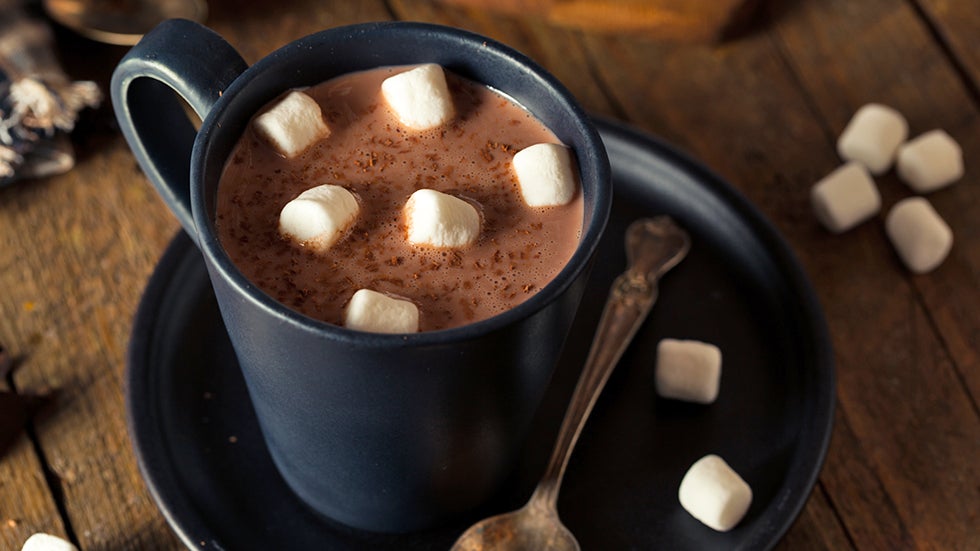
In today’s fast-paced world, stress has become an inevitable part of life. For many, dealing with stress often leads to unhealthy food cravings, particularly for high-fat or sugary snacks. But what if your comfort food could also protect your health? A study led by Dr. Catarina Rendeiro at the University of Birmingham reveals that a cup of hot cocoa might be more than just a cosy treat, it could also benefit your heart during stressful times.
The Link Between Stress and Poor Eating Habits: When stress strikes, our bodies crave comfort, and most of us reach for indulgent foods like pastries, chips, or chocolate bars. This stress-induced eating often leads to unhealthy habits, which can affect our vascular health. Consuming high-fat meals under stress is known to impair the body’s ability to recover from such episodes, affecting blood vessel function.
But what if there was a way to counteract this negative impact without giving up indulgence entirely? That’s where cocoa enters the picture.
The Study That Changes the Narrative: Dr. Rendeiro’s research set out to explore how adding flavanol-rich cocoa to a fatty meal could influence the body’s stress response. The experiment was conducted on a group of young, healthy adults. Participants were served a high-fat breakfast comprising buttery croissants, salted butter, cheese, and whole milk. Afterwards, they were given either a drink rich in flavanols or one with low flavanol content.
Following the meal, participants were subjected to a stress-inducing test to measure how their vascular system responded under pressure. The results were eye-opening.
The study revealed a significant difference in vascular function between the two groups. Those who consumed the low-flavanol drink experienced a 1.29% reduction in vascular function, highlighting the adverse effects of stress and high-fat meals. In contrast, participants who consumed the high-flavanol cocoa drink displayed better vascular function, indicating that the flavanols in cocoa helped offset the negative impact of stress.
Flavanols, naturally occurring compounds found in cocoa, are known for their antioxidant properties. They help improve blood flow by relaxing blood vessels and reducing inflammation, which makes them a powerful ally in maintaining heart health, especially during stressful situations.
The study sheds light on how cocoa’s unique properties work within the body. Unlike high-fat snacks that exacerbate stress’s harmful effects, cocoa provides a healthier alternative for managing those cravings. Its high flavanol content counteracts the damage caused by fatty acids, making it a functional food choice.
But it’s not just cocoa’s composition that makes it special. Drinking a warm cup of cocoa can also have psychological benefits, offering comfort and relaxation, which may further aid in reducing stress levels.
Not everyone enjoys the taste of cocoa, and for those individuals, the study suggests green tea as an excellent alternative. Like cocoa, green tea is rich in flavanols and other antioxidants that support vascular health and protect against the damaging effects of stress.
Before you rush to the store to stock up on cocoa, it’s important to note that not all cocoa products are created equal. Alkalisation, a common process used in chocolate production, significantly reduces the flavanol content. This means that heavily processed cocoa products, such as most commercial chocolates, won’t provide the same health benefits.
To reap the benefits identified in the study, opt for minimally processed cocoa powder with high flavanol content. These can often be found in specialty stores or health food markets.
Practical Tips for Incorporating Cocoa Into Your Diet
1. Start Your Day Right: Add a tablespoon of unsweetened, minimally processed cocoa powder to your morning smoothie or oatmeal.
2. Swap Sugary Drinks: Replace sugary beverages with a cup of homemade hot cocoa using low-fat milk and unprocessed cocoa powder.
3. Healthy Snacks: Make cocoa-flavoured protein balls with natural sweeteners like dates or honey for a guilt-free treat.
4. Dessert Upgrade: Use flavanol-rich cocoa in baked goods like muffins or pancakes to enjoy your favourite desserts without compromising your health.
The study by Dr. Rendeiro is part of a growing body of research that highlights the interconnectedness of stress, diet, and heart health. Stress affects more than just our mental state; it has tangible effects on our physical health, particularly on the cardiovascular system.
By understanding how specific foods, like flavanol-rich cocoa, can mitigate these effects, we can make better choices to protect our health in the long run. This doesn’t mean indulging in hot cocoa every time you feel stressed but rather using it as part of a broader strategy to maintain balance and well-being.
While the findings are promising, they are not a free pass to consume cocoa indiscriminately. The key is moderation and mindful consumption. Combined with a balanced diet, regular exercise, and effective stress management techniques, cocoa can be a valuable addition to your routine.
If you’re looking for additional options to combat stress and improve heart health, consider these foods:
Berries: Rich in antioxidants, they help reduce inflammation.
Nuts and Seeds: Packed with healthy fats and magnesium, they support heart health.
Leafy Greens: High in folate, they promote the production of serotonin, a mood-stabilizing hormone.
Whole Grains: Provide sustained energy and help regulate blood sugar levels.
This study opens the door for further exploration into how specific foods and nutrients can protect against the harmful effects of stress. As scientists continue to uncover the connections between diet and mental health, we may see a shift in how we approach both nutrition and stress management.
Dr. Rendeiro’s research offers a refreshing perspective on stress eating. Instead of reaching for high-fat, unhealthy options, consider swapping them for a cup of flavanol-rich hot cocoa. Not only will it satisfy your sweet tooth, but it may also help protect your heart during stressful times.
While more research is needed to fully understand the relationship between cocoa and stress, the findings so far are a testament to the power of making informed dietary choices. So the next time stress strikes, you might just find solace in a warm, comforting cup of hot cocoa.




-23-300x250.png)

.jpeg)







.jpg)
.jpg)
.jpg)
.jpg)
.jpg)
.jpg)
.jpg)
.jpg)
.jpg)

