Wednesday, October 07, 2026
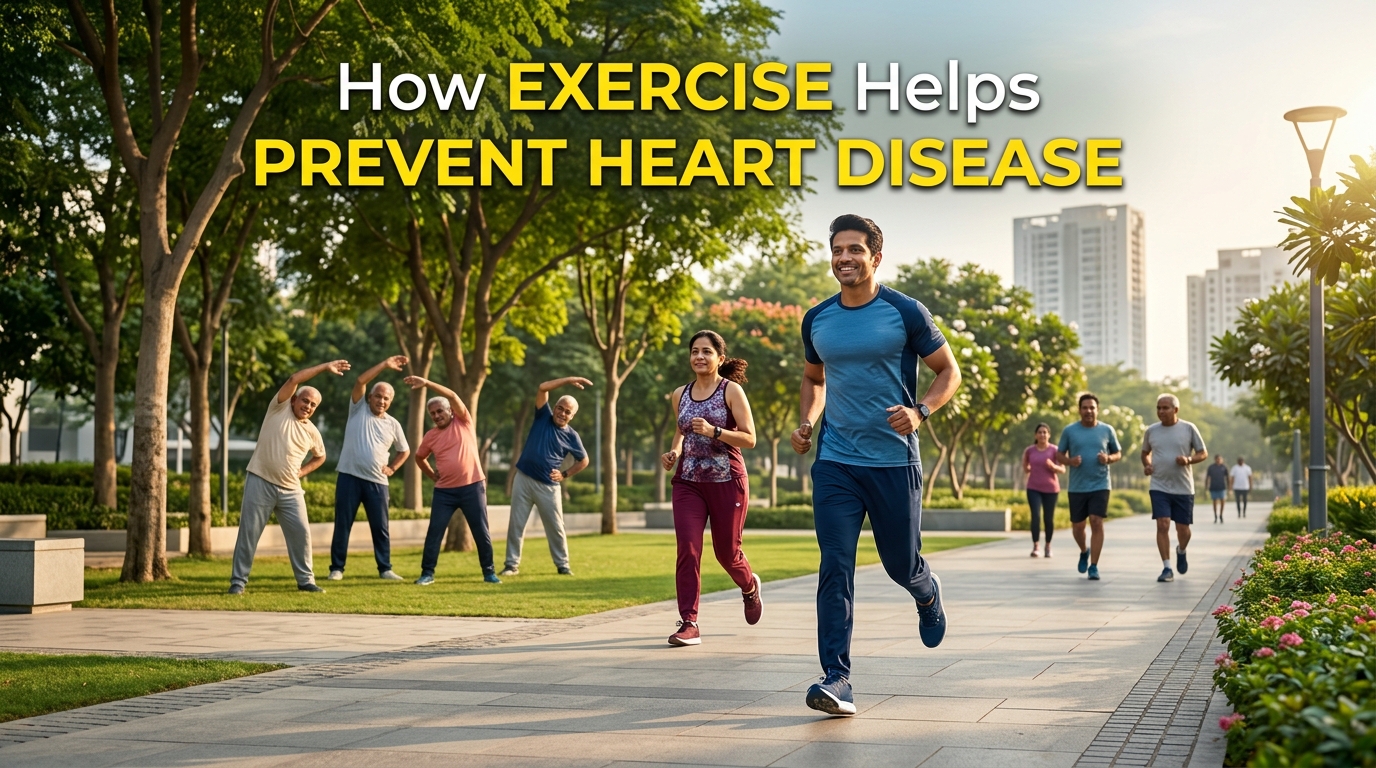
 Heart disease remains one of the leading causes of death worldwide, yet one of the most powerful ways to prevent it is surprisingly simple—movement. Exercise is not just about fitness or appearance; it is a fundamental tool that directly impacts how your heart functions every day.




How Exercise Helps Prevent Heart Disease
Heart disease remains one of the leading causes of death worldwide, yet one of the most powerful ways to prevent it is surprisingly simple—movement. Exercise is not just about fitness or appearance; it is a fundamental tool that directly impacts how your heart functions every day.
Your heart is a muscle, and like any muscle, it becomes stronger and more efficient with regular use. When you stay active, your body undergoes changes that protect your cardiovascular system, reduce risk factors, and improve overall health.
Understanding how exercise works inside your body can completely change the way you approach your health.
The Direct Impact of Exercise on the Heart
When you engage in regular physical activity, your heart becomes more efficient at pumping blood. This means it doesn’t have to work as hard to circulate oxygen and nutrients throughout your body.
Exercise improves the muscles’ ability to extract oxygen from the blood, reducing strain on the heart. Over time, this leads to a lower resting heart rate and improved cardiovascular efficiency. (Hopkins Medicine)
This process is similar to tuning an engine. The more consistently you exercise, the smoother and stronger your heart functions.
Lowering Blood Pressure Naturally
High blood pressure is one of the biggest risk factors for heart disease. Regular exercise helps reduce blood pressure by improving blood vessel flexibility and circulation.
When your arteries become more flexible, blood flows more easily, reducing the pressure on your heart. Exercise also acts similarly to certain medications by slowing heart rate and lowering stress on the cardiovascular system. (Hopkins Medicine)
This natural regulation plays a crucial role in preventing long-term heart complications.
Improving Cholesterol Levels
Cholesterol imbalance is another major contributor to heart disease. Exercise helps increase high-density lipoprotein (HDL), often referred to as “good cholesterol,” while helping control harmful triglycerides.
By improving cholesterol balance, physical activity reduces the buildup of plaque in arteries, lowering the risk of heart attacks and strokes. (Hopkins Medicine)
Over time, this creates a healthier internal environment for your heart to function properly.
Reducing Inflammation and Risk Factors
Chronic inflammation is a silent contributor to heart disease. Exercise helps reduce inflammation throughout the body, protecting blood vessels and improving overall health.
In addition, regular physical activity lowers the risk of developing conditions like diabetes and obesity, both of which are closely linked to heart disease. (Hopkins Medicine)
By targeting multiple risk factors at once, exercise becomes one of the most effective preventive strategies.
Weight Management and Heart Protection
Maintaining a healthy weight is essential for heart health. Excess weight puts additional strain on the heart and increases the risk of conditions like hypertension and diabetes.
Exercise helps burn calories and improve metabolism, making it easier to maintain a healthy body weight. When combined with a balanced diet, it becomes even more effective in reducing heart disease risk. (Hopkins Medicine)
Even gradual weight loss can significantly improve cardiovascular health.
Strengthening the Heart Muscle
Just like lifting weights strengthens your muscles, regular physical activity strengthens your heart.
Over time, the heart’s chambers become more efficient, allowing it to pump blood with less effort. This reduces fatigue and improves endurance.
Studies show that people who exercise regularly have a lower risk of sudden cardiac events and heart attacks compared to those who lead a sedentary lifestyle. (Hopkins Medicine)
A stronger heart means a longer, healthier life.
The Importance of Aerobic and Strength Training
Not all exercise is the same. A combination of aerobic and resistance training provides the best results for heart health.
Aerobic exercises such as walking, cycling, and swimming improve circulation and strengthen the heart muscle. Resistance training helps build muscle, improve metabolism, and support overall cardiovascular function.
Experts recommend combining both types of exercise to achieve maximum benefits. (Hopkins Medicine)
This balanced approach ensures comprehensive heart protection.
Exercise and Daily Activity Both Matter
Many people believe that a short workout is enough, but daily activity plays an equally important role.
Being sedentary for long periods can increase the risk of heart disease, even if you exercise regularly. Staying active throughout the day—walking, moving, and reducing sitting time—is essential for maintaining heart health. (Hopkins Medicine)
Consistency in movement is just as important as structured exercise.
How Much Exercise Do You Need
Health experts recommend at least 150 minutes of moderate-intensity exercise per week. This can be broken down into manageable sessions, such as 30 minutes a day for five days.
The key is consistency. Regular activity builds long-term benefits and reduces the risk of heart disease over time. (Hopkins Medicine)
Even small amounts of daily movement can make a meaningful difference.
Long-Term Benefits of Exercise for Heart Health
The benefits of exercise extend far beyond immediate results. Over time, physical activity improves circulation, enhances metabolism, and supports mental well-being.
It also helps reduce stress, which is often overlooked but plays a significant role in heart health. Lower stress levels contribute to better blood pressure control and overall cardiovascular function.
Regular exercise not only prevents heart disease but also improves quality of life and longevity.
Conclusion
Exercise is one of the most powerful tools you have to protect your heart. It strengthens your cardiovascular system, reduces risk factors, and improves overall health.
From lowering blood pressure and cholesterol to improving circulation and reducing inflammation, the benefits are both immediate and long-lasting.
The key is consistency. Whether it is walking, cycling, or strength training, every movement contributes to a healthier heart.
Because when it comes to heart health, prevention truly begins with action.
FAQs
- How does exercise prevent heart disease?
Exercise improves circulation, lowers blood pressure, and strengthens the heart.
- What type of exercise is best for heart health?
A mix of aerobic and strength training is ideal.
- How much exercise is needed weekly?
At least 150 minutes of moderate activity is recommended.
- Can exercise reduce cholesterol?
Yes, it increases good cholesterol and lowers harmful fats.
- Does exercise lower blood pressure?
Yes, it helps regulate blood pressure naturally.
- Is walking enough for heart health?
Yes, regular walking provides significant benefits.
- Can exercise prevent heart attacks?
Regular activity reduces the risk of heart attacks.
- Does weight loss improve heart health?
Yes, maintaining a healthy weight reduces strain on the heart.
- Is strength training good for the heart?
Yes, it supports overall cardiovascular health.
- Can exercise improve lifespan?
Yes, it helps prevent disease and supports longevity.






.jpeg)




.jpg)
.jpg)
.jpg)
.jpg)
.jpg)
.jpg)


.jpg)
.jpg)
.jpg)
.jpg)
.jpg)
.jpg)