 Thursday, October 08, 2026
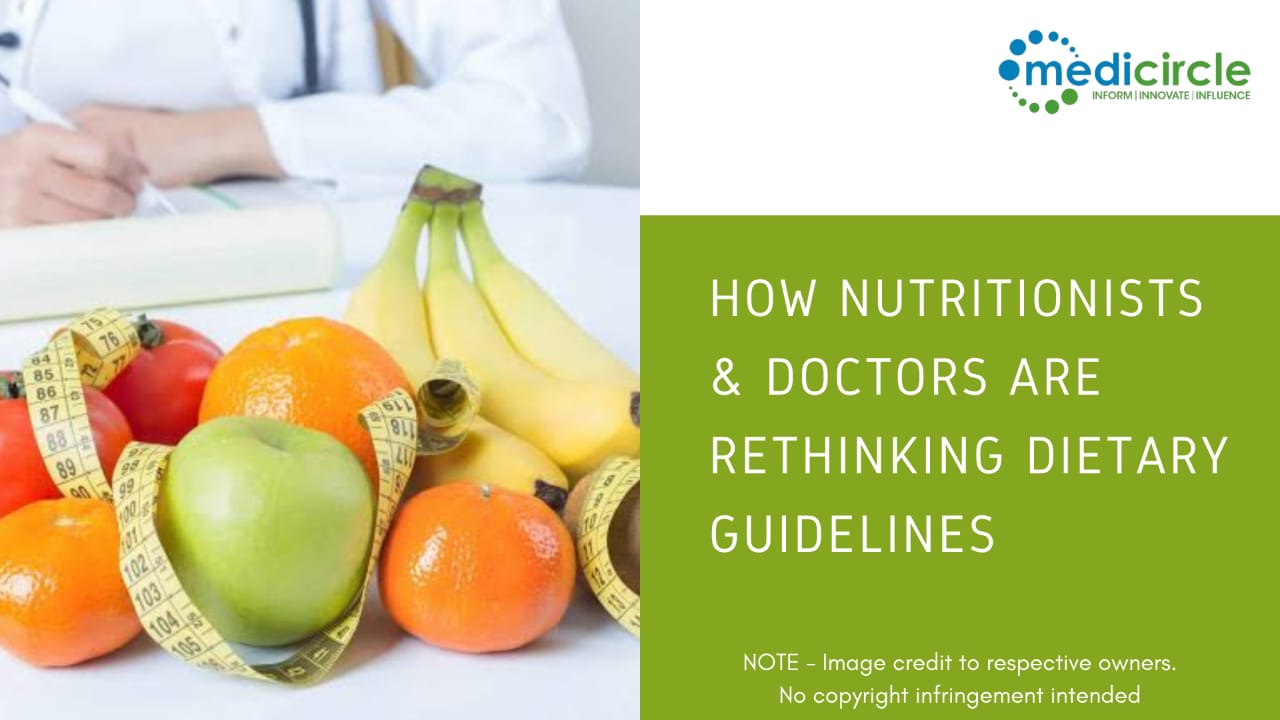
 Indian nutritionists are reshaping dietary science with personalized, culturally rooted nutrition. By blending modern research with traditional wisdom, they are redefining how India eats, digests and thrives.




We have all been there, staring at a chart of “good” and “bad” foods, trying to fit our complex lives into a simple, one size fits all box. For decades, that was the standard approach to dietary advice. But a quiet revolution is happening in clinics and research labs across India. The question is no longer a generic “What is the healthiest food?” but a far more personal one: “What is the healthiest food for you?”
This shift marks a significant move away from rigid rules and toward a fluid, individualized understanding of nourishment. Indian doctors and nutritionists are building on established science, weaving in new discoveries about our gut, our genes and our cultural plates to create a more compassionate and effective guide to eating well.
Listening to your body:
Step into a modern nutritionist’s office today and you might be surprised. The conversation likely starts not with a restrictive meal plan, but with questions about your sleep, stress levels, family history and even food preferences. This is the heart of personalized nutrition.
What is driving this change? For one, technology gives us a window into our bodies we never had before. Data from wearables and health apps helps experts see how your blood sugar responds to a particular fruit or how your digestion reacts to different grains. This real-time feedback creates a living, breathing dietary plan that evolves with you.
There is also a beautiful and crucial emphasis on cultural context. Instead of forcing Western ideals, savvy nutritionists are looking at the Indian thali with fresh eyes. They are finding ways to optimize the dhal, roti and sabzi your grandmother swore by making health feel less like a rejection of your heritage and more like a celebration of it.
The gut: Your second brain
If there is a superstar in this new nutritional narrative, it is the gut. The microbiome, that vast universe of bacteria in your digestive system has moved from scientific curiosity to a central player in overall health. We now understand it does not just process food; it talks to our brain, trains our immune system and influences our mood.
This has translated into very practical dietary advice. The focus is on feeding those friendly gut bacteria what they love most:
- A diversity of plants: Aim for a rainbow on your plate; different colored vegetables, fruits, whole grains and legumes each feed different microbial friends.
- Traditional ferments: Our cuisine is already rich in natural probiotics like yogurt (dahi) and fermented foods like idli, dosa and kanji. These are now being recognized as powerful tools for gut health.
- An abundance of fiber: Found in whole grains, vegetables and fruits, fiber is the preferred food for a healthy gut, helping reduce the risk of everything from heart disease to digestive disorders.
Practical path forward:
The evidence for a plant-forward diet has become undeniable. While vegetarianism is deeply embedded in Indian culture, science now solidly backs its benefits for heart health, diabetes management and longevity.
The beauty for Indians is that this is not a foreign concept. It is a return to our roots. The practical shift is about leaning into this strength:
- Protein without panic: The old myth that plant proteins are “incomplete” has been debunked. A varied diet with dals, chana, rajma, nuts and seeds throughout the day provides all the essential protein an adult needs.
- Addition over subtraction: The tone has changed. Instead of just saying “stop eating that,” the advice is to “add more of this.” Fill half your plate with vegetables, add a handful of sprouts to your salad and toss some seeds into your curd. The health benefits follow naturally.
Doctor and Nutritionist:
Perhaps the most critical change is happening in how care is delivered. The old model of a doctor handing out a generic diet sheet is fading. Today, there is a growing, respectful collaboration between doctors and nutritionists.
Each plays a distinct but complementary role. The doctor diagnoses and manages the medical condition, while the nutritionist crafts a detailed dietary strategy that fits the patient’s life, palate and budget. They understand that a prescription for a diabetic patient is useless without a practical eating plan they can actually follow. This teamwork ensures you get consistent, trustworthy guidance from all corners of your healthcare team.
Simple steps for healthy diet:
So, with all these big ideas, what does it mean for your next meal? It is about patterns, not perfection.
- Start small, start smart: Try grating carrots or lauki into your paratha dough. Add chopped spinach to your poha. These small additions build up.
- Celebrate the humble legume: Keep dals, chana and rajma as your weekly staples. They are powerhouses of fiber and protein that keep you full and your blood sugar stable.
- Navigate processed foods wisely: You do not need to eliminate them entirely, but be mindful. Read labels. Often, a homemade sandwich is a far better choice than a packaged “diet” snack.
- Eat the rainbow: Make your plate colorful. The different hues in vegetables and fruits signal a diversity of vitamins, minerals and antioxidants that work in harmony to keep you healthy.
Food as a conversation:
In the end, this rethinking of dietary guidelines is about changing our relationship with food. Nutritionists and doctors are guiding us to see food not as merely fuel or medicine, but as a deeply personal part of our well-being, a source of both health and pleasure.
It is a move toward a more intelligent, individualized and ultimately, more human way of eating. The goal is no longer to follow a set of external rules but to learn the unique language of your own body and to enjoy the conversation.






.jpeg)










.jpg)
.jpg)
.jpg)
.jpg)
.jpg)
.jpg)


.jpg)