Tuesday, October 27, 2026
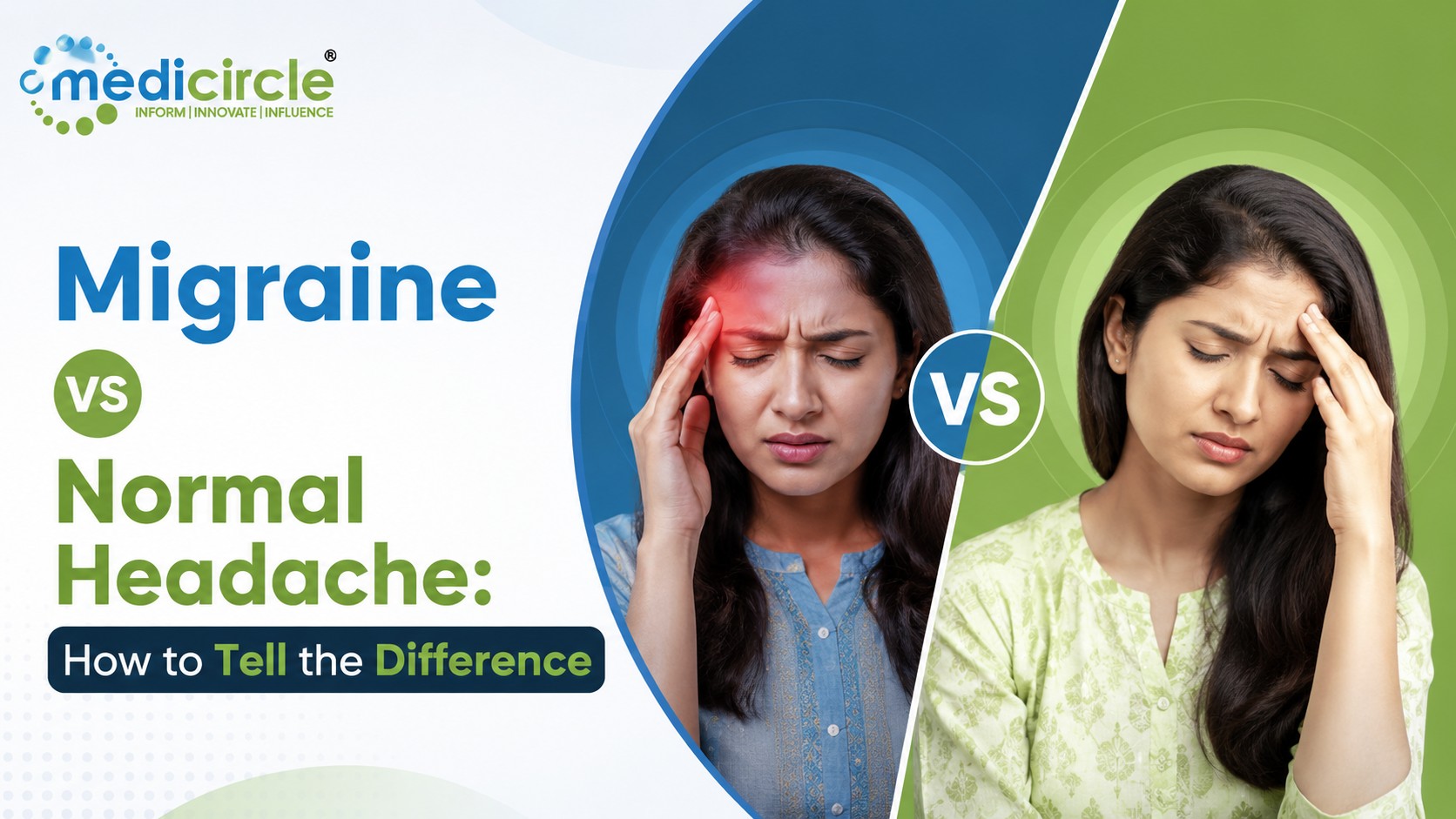
 Identifying the precise nature of head pain between a tension headache and a migraine is the crucial first step toward finding sustainable, long-term relief and well-being.




Migraine vs Normal Headache: How Patients Can Tell the Difference
Experiencing a headache is an incredibly common part of daily life for millions of people across India. Whether it is a dull ache after a demanding day at the office or a sudden throbbing during a stressful week, head pain is a frequent health complaint. Because these episodes happen so often, the instinctive reaction for many is to ignore the discomfort, swallow a quick over-the-counter painkiller, and push through their daily routine. However, assuming all head pain is identical can be a significant medical oversight, especially when the underlying issue is actually a migraine.
A migraine is fundamentally different from a typical headache; it is not merely a more intense version of standard head pain. Instead, it is a complex, multi-layered neurological condition that requires specific medical attention and targeted care strategies. Attempting to manage a migraine with standard, over-the-counter painkillers can lead to a cycle of frequent relapses, improper self-medication, and a noticeable drop in your overall quality of life. For individuals managing busy lifestyles, irregular schedules, and unpredictable weather shifts, learning to identify the precise nature of their head pain is the crucial first step toward finding sustainable, long-term relief.
Understanding Tension Headaches
The typical head pain that most individuals experience during periods of exhaustion, hunger, or mental strain is known in the medical community as a tension headache. This stands as the most widespread variety of everyday head pain. It generally arises when the muscles in your neck, jaw, or scalp tighten up significantly. These muscle contractions are usually sparked by everyday physical or emotional pressures, such as staring continuously at a computer monitor for hours, skipping lunch due to a packed schedule, or dealing with a poor night of rest.
When a tension headache develops, the sensation is typically described as a steady, dull pressure that impacts both sides of the head simultaneously. Many people describe it as feeling like a tight band has been wrapped and squeezed around their forehead or the base of their skull. Unlike more severe neurological issues, a standard tension headache rarely stops you completely in your tracks. The pain stays within a mild to moderate range, meaning you can generally continue handling household tasks or workplace duties. Additionally, standard headaches lack systemic features like nausea or an extreme aversion to your surroundings, usually fading away after some rest, proper hydration, or a basic pain reliever.
Identifying Migraine Symptoms
To truly recognize a migraine, you have to look at the entire collection of symptoms rather than just the pain in your head. A migraine is defined as a chronic neurological disorder that presents as recurrent, debilitating attacks. These episodes can trap a patient in a state of severe discomfort for anywhere from four hours to three consecutive days if left untreated. The pain itself is remarkably distinct, often characterized by an intense, pounding, or throbbing sensation that frequently targets just one side of the head, though it can alternate sides from one attack to the next.
What sets a migraine truly apart is how it alters your sensory perception. During an active flare-up, the brain becomes hyper-reactive to everyday environmental stimuli. Ordinary household lighting or the standard volume of a nearby conversation can suddenly feel blinding and agonizing. Furthermore, migraines frequently disrupt the gastrointestinal tract, causing severe nausea, stomach upset, and vomiting. Because the entire nervous system is affected, simple movements like walking across a room can amplify the throbbing pain, making it nearly impossible to work or socialize. This forces most individuals to retreat to a completely dark, silent room until the attack subsides.
Four Migraine Phases
While a standard tension headache typically appears without warning and resolves quickly once you relax, a migraine can be a prolonged process that moves through four structural stages. It is important to note that not everyone will experience every single phase during an episode.
The Prodrome PhaseActing as a subtle warning system, this initial phase can show up hours or even days before the physical head pain begins. Individuals might notice unexpected shifts in their bodies, such as uncharacteristic mood swings, sudden cravings for specific foods, persistent yawning, fluid retention, or a stiff neck. Recognizing these early indicators gives patients a valuable window of opportunity to take preventative steps.
The Aura PhaseThe aura phase involves temporary, reversible neurological changes that happen right before or during the main headache. For most, these are visual disturbances, such as seeing flashing lights, blind spots, or moving zigzag patterns. Others might experience physical sensations like a pins and needles feeling in their hands or face, or find themselves struggling to find the right words. An aura usually builds up over a few minutes and clears up within an hour.
The Attack PhaseThis is the most intense window of the migraine where the actual throbbing head pain reaches its absolute peak. Alongside the sharp, one-sided pulsating sensation, patients have to cope with the classic, overwhelming sensitivity to lights, noises, and odors, often alongside a heavily upset stomach. This phase completely stalls daily productivity and necessitates immediate rest.
The Postdrome PhaseFrequently described as a migraine hangover, this final stage occurs as the primary head pain begins to fade. It leaves the individual feeling physically wiped out, mentally sluggish, and deeply exhausted. While a few people might feel an unexpected burst of mild energy or relief, the overwhelming majority require an extra day of quiet rest to fully recover from the physical toll.
Key Diagnostic Differences
To make tracking and discussing symptoms with a healthcare professional much easier, it helps to view the distinct differences between these two types of head pain side by side.
|
Symptom Feature |
Normal Tension Headache |
Migraine Attack |
|---|---|---|
|
Pain Location |
Spreads across both sides uniformly |
Frequently concentrated on one side |
|
Type of Pain |
Dull, constant aching or pressure |
Pounding, throbbing, or pulsating |
|
Severity Level |
Mild to moderate; manageable |
Severe; frequently completely disruptive |
|
Impact of Movement |
Does not change with basic activity |
Worsens sharply with simple movement |
|
Digestive System |
No impact on the stomach |
Causes prominent nausea and vomiting |
|
Sensory Changes |
No notable sensitivity to surroundings |
High sensitivity to light, sound, and smell |
Triggers in India
Living and working in India exposes individuals to specific environmental and lifestyle variables that can easily provoke both tension headaches and migraines. Pinpointing these everyday catalysts is a cornerstone of effective, proactive health management.
Climatic variations play a massive role in managing head pain. The intense heat of the Indian summer, sudden shifts in humidity levels, or spending extended periods under direct sunlight during daily commutes can cause rapid dehydration, which easily triggers a standard headache or sets off a full-scale migraine attack. Similarly, dietary patterns are a major factor. Skipping regular meals due to an erratic, unpredictable work routine causes sudden drops in blood sugar. Furthermore, high consumption of strong tea or coffee, processed foods containing artificial additives, or heavily fermented dishes can overstimulate a sensitive nervous system.
Modern corporate and lifestyle habits also increase the frequency of these episodes. Spending long hours looking at bright laptop screens or smartphones causes intense eye strain and muscle tension in the upper back and neck, creating the ideal conditions for a tension headache. When combined with emotional pressure, inconsistent sleep hygiene, or poor air circulation in congested urban offices, the body's threshold for experiencing chronic neurological pain drops significantly.
Treatment and Management
Achieving lasting relief from head pain depends entirely on receiving a correct diagnosis. For someone dealing with an occasional tension headache, basic lifestyle modifications are often enough to make a substantial difference. Staying consistently hydrated throughout the day, sticking to a predictable sleep schedule, practicing gentle neck stretches, and taking short, regular breaks away from screens can dramatically lower the frequency of standard headaches. While over-the-counter pain relief can help occasionally, it should never become a daily dependency.
When managing a migraine, the approach must be far more systematic and carefully guided by a doctor. Medical professionals look at migraine care through two distinct lenses: acute treatment and preventative care. Acute treatment focuses on stopping a migraine in its tracks, using specialized medications like triptans the moment the very first signs of an attack appear. Preventative care, on the other hand, involves daily medications intended to decrease the total frequency, duration, and intensity of attacks for individuals who suffer from multiple episodes every month.
Alongside medical therapies, maintaining a detailed headache log is incredibly useful. Patients should record when the pain started, what they ate beforehand, the current weather conditions, and how long the discomfort lasted. Presenting this clear log to a physician allows for a highly customized treatment plan, leading to better long-term outcomes and reducing the risks of self-medication.
Frequently Asked Questions
Headache EvolutionAn ordinary tension headache cannot physically transform into a migraine because the two conditions are driven by completely different biological mechanisms. However, it is entirely possible for an individual to suffer from both types of headaches independently. If your regular headaches are becoming more severe, frequent, or come with nausea, it is important to get a professional diagnosis.
Family History ImpactYes, migraines carry a very strong genetic link. If you have a close family member, such as a parent or sibling, who struggles with chronic migraine attacks, your personal chances of developing the condition are significantly higher.
Dehydration EffectsWhen your body experiences dehydration, blood vessels can temporarily narrow as overall fluid levels fall. This reduction limits the optimal delivery of oxygen and blood flow to the brain, which can quickly trigger a standard tension headache or act as a primary driver for a severe migraine attack.
Immediate Consultation SignsWhile most headaches are non-emergency events, certain symptoms require urgent medical evaluation. You should seek immediate emergency care if you experience a sudden, blinding pain that reaches maximum intensity within seconds, or if your head pain is accompanied by a stiff neck, high fever, confusion, double vision, or sudden weakness.
Professional Medical Guidance
Learning to identify the core differences between a migraine and a normal headache is absolutely vital for reclaiming control over your health. Relying on continuous self-medication or simply trying to endure chronic pain can result in medication overuse headaches, which only complicate your recovery journey. Taking a systematic, observant approach to tracking your symptoms eliminates confusion and ensures you do not have to live with unnecessary discomfort.
Consulting a medical specialist ensures that you receive a highly accurate assessment and a comprehensive care plan that fits seamlessly into your daily lifestyle. Platforms like Medicircle supply reliable, doctor-verified medical insights and seamlessly link individuals with trusted healthcare practitioners throughout India. By prioritizing your neurological health and pursuing professional support early on, you can successfully manage your symptoms, protect your productivity, and enjoy long-term physical well-being.
Abstract:
Identifying the precise nature of head pain between a tension headache and a migraine is the crucial first step toward finding sustainable, long-term relief and well-being.





-23-300x250.png)

.jpeg)






.jpg)
.jpg)
.jpg)
.jpg)
.jpg)
.jpg)
.jpg)
.jpg)
.jpg)