Tuesday, October 27, 2026
 The modern workplace sits at the intersection of economics and public health. Ignoring that connection overlooks an opportunity to improve lives at scale




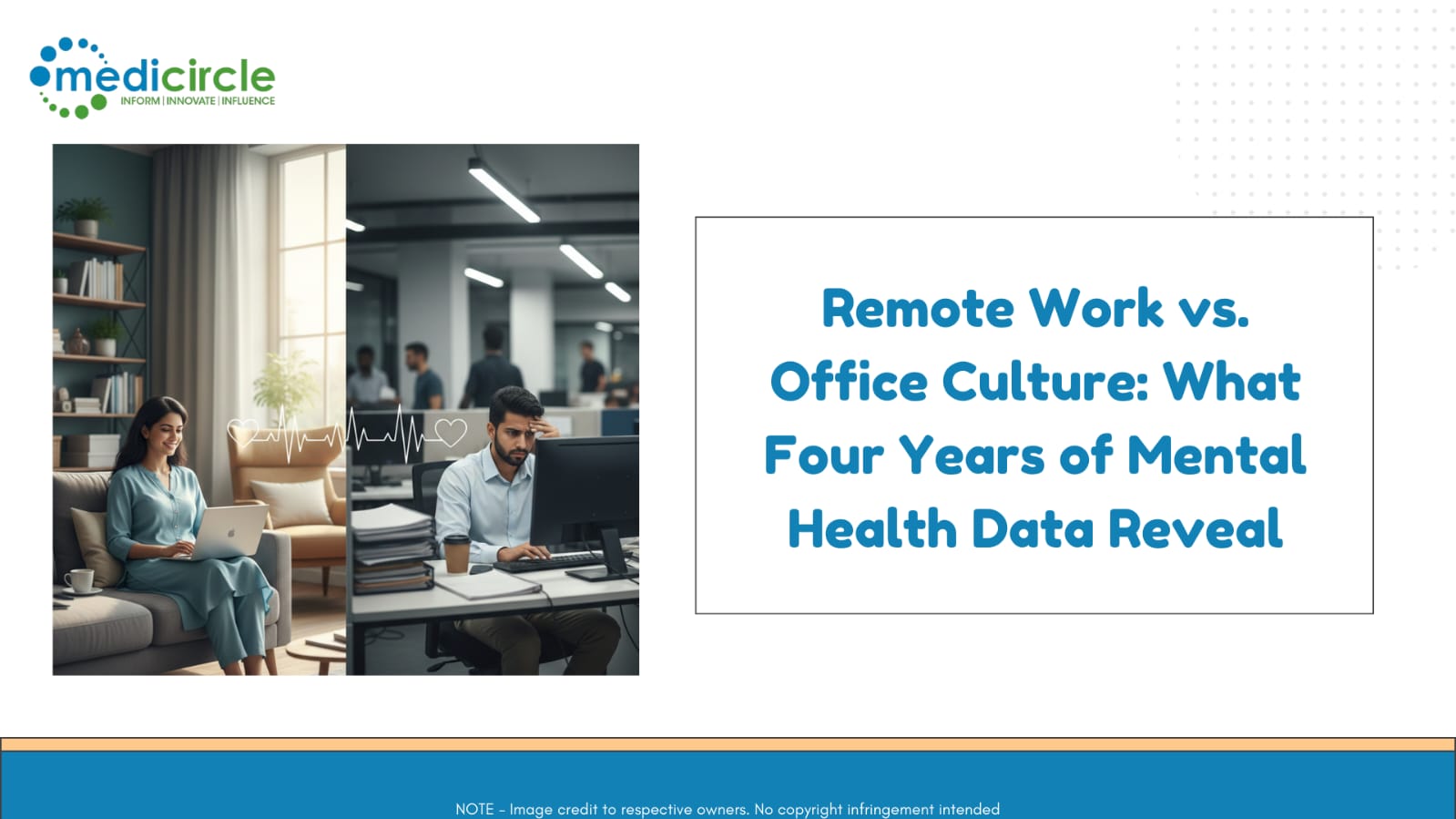
Every weekday morning tells two different stories. In one version, alarms ring before sunrise, traffic builds before daylight, and millions begin their day already negotiating stress. In another version, laptops open at kitchen tables, tea steams beside keyboards, and the workday begins without a race against the clock. The job description may be identical. The impact on the body and mind is not.
Over the past several years, researchers across behavioural science, occupational health, and economics have examined what happens when work leaves the office and enters the home. What began as an emergency response to a global crisis evolved into one of the largest workplace experiments in modern history. Now, after years of tracking data, surveying employees, and studying patterns across industries, a clear picture is emerging: flexible and remote work arrangements are closely linked to improved mental health, better sleep, and higher overall life satisfaction.
This shift in understanding is not rooted in casual opinion. Large-scale longitudinal studies followed thousands of professionals from diverse sectors between 2020 and 2024. Researchers analysed stress levels, daily mood logs, sleep duration, productivity reports, physical health indicators, and even family relationship quality. The consistency of the findings surprised even the investigators. Individuals who worked from home for part or all of the week described themselves as more content, less anxious, and more in control of their schedules.
The distinction is subtle but powerful. Remote workers did not describe endless leisure or diminished responsibility. They described balance. They completed projects, attended meetings, met deadlines, and navigated demanding workloads. The difference lay in the architecture of the day. Without long commutes, crowded transit, and rigid office schedules, their routines allowed breathing space. That breathing space appears to matter deeply for mental well-being.
Chronic stress is among the most significant risk factors for modern disease. Elevated stress hormones such as cortisol and adrenaline, when sustained over months and years, contribute to hypertension, cardiovascular disease, sleep disorders, anxiety, depression, and immune dysfunction. The traditional office routine often begins with a physiological stress trigger: rushing against time. Traffic congestion, packed trains, unpredictable delays, and rigid arrival times create daily micro-surges of stress. Removing or reducing that exposure changes the body’s baseline response.
Sleep has emerged as a critical factor in this conversation. Data indicate that individuals with flexible work schedules often sleep longer and report higher-quality rest. Even modest gains in sleep duration can influence cognitive performance, emotional stability, and metabolic health. Chronic sleep deprivation impairs memory, reduces concentration, increases irritability, and elevates the risk of mood disorders. When employees gain additional rest by eliminating early commutes, their mental resilience improves.
Productivity has been a central concern for employers navigating remote work policies. Yet evidence from multiple industries shows that output does not collapse in flexible environments. In many cases, employees report deeper focus when working remotely. The absence of constant interruptions, spontaneous desk visits, and environmental noise allows sustained attention. For tasks requiring creativity, strategy, or complex analysis, uninterrupted time can be invaluable.
There is also the matter of autonomy. Psychological research consistently links autonomy with motivation and well-being. When people have greater control over how and when they perform tasks, they experience higher engagement and lower emotional exhaustion. Remote work, when structured effectively, fosters this sense of control. Employees can tailor their day to align with personal energy rhythms. Early risers may begin before sunrise. Night owls may structure later sessions. This flexibility reduces the friction between biological preference and professional expectation.
The impact on family life has been another area of interest. Individuals working from home often report increased participation in household routines. They may share meals more frequently, attend school events, or assist elderly family members with less logistical strain. These moments strengthen personal relationships, which in turn support mental health. Social connection is a well-established protective factor against depression and anxiety. When work structures allow presence at home, relational bonds often deepen.
This is not to suggest that remote work is universally beneficial. Some employees struggle with isolation or blurred boundaries. Without clear separation between workspace and personal space, work can spill into evenings. Digital fatigue from constant video calls presents another challenge. The healthiest models appear to be hybrid arrangements, blending remote days with in-person collaboration. Such structures preserve social interaction while maintaining flexibility.
Managers face their own adjustment. Traditional leadership relied heavily on visual oversight. Seeing employees at desks created a sense of control. The shift to digital platforms can feel disorienting. Yet modern performance metrics rely less on physical presence and more on measurable outcomes. Deliverables, timelines, and collaborative milestones offer clearer indicators of productivity than office attendance alone.
The health implications extend beyond mental well-being. Reduced commuting decreases exposure to air pollution and sedentary travel time. Many remote workers report incorporating physical activity into their day more easily, whether through short walks, stretching breaks, or home workouts. Increased movement improves cardiovascular health, supports metabolic function, and reduces musculoskeletal strain associated with prolonged sitting.
Burnout remains a major occupational health concern. Characterised by emotional exhaustion and detachment, burnout develops when stress outpaces recovery. Flexible work models appear to buffer against this progression. When employees can pause briefly, adjust their schedule, or work in a comfortable environment, they regain small pockets of recovery. Over time, these micro-recoveries accumulate, strengthening resilience.
The conversation about workplace flexibility intersects with preventive medicine. Encouraging work structures that support sleep, reduce stress exposure, and increase autonomy may lower long-term healthcare costs. Chronic diseases linked to stress and inactivity represent substantial economic burdens. Policies that protect mental health at scale could have ripple effects across health systems.
Technology has made this transformation possible. High-speed internet, secure cloud platforms, and collaborative software enable seamless communication across continents. The digital infrastructure exists. The remaining challenge lies in organisational culture. Trust-based leadership models, clear communication, and measurable performance standards are essential to sustaining remote or hybrid systems.
Critics argue that workplace culture suffers without in-person contact. But culture is not confined to physical space. It emerges from shared values, transparent goals, and consistent communication. Many organisations report that intentional virtual check-ins and structured team gatherings maintain cohesion effectively. In-person meetings, when scheduled strategically, often become more purposeful.
Healthcare professionals increasingly recognise the link between work structure and mental health outcomes. During consultations, patients frequently describe work-related stress as a primary source of anxiety or sleep disturbance. Flexible work arrangements may serve as part of a broader stress management strategy. Physicians and psychologists alike are beginning to consider workplace design as a factor in holistic health.
The narrative surrounding remote work often focuses on comfort. The deeper story is about sustainability. Employees who experience lower chronic stress are less likely to suffer from burnout-related absenteeism. They report stronger engagement and higher retention rates. In competitive industries, retaining experienced staff reduces recruitment and training costs.
For younger generations entering the workforce, flexibility has become a core expectation. Surveys show that job seekers increasingly prioritise remote options when evaluating employment offers. Organisations that resist this shift may struggle to attract talent. The conversation is no longer temporary. It reflects an evolution in how people define professional success.
The data gathered over four years suggest a fundamental truth: the structure of a workday shapes health outcomes. A routine that begins with urgency and ends with exhaustion has cumulative consequences. A routine that allows autonomy, adequate sleep, and reduced commuting strain fosters stability. The difference may appear modest on a single day. Across years, it becomes profound.
The debate will continue. Some industries will always require physical presence. Certain roles benefit from spontaneous collaboration. Yet evidence supports the idea that flexibility enhances well-being for many knowledge-based professions. It is not about eliminating offices entirely. It is about aligning workplace policies with human physiology and psychology.
When organisations design policies, they influence more than productivity metrics. They influence blood pressure, sleep patterns, stress hormones, and emotional resilience. The modern workplace sits at the intersection of economics and public health. Ignoring that connection overlooks an opportunity to improve lives at scale.
Morning routines will continue to vary. Some will still navigate rush-hour traffic. Others will begin their day from home. The choice between those realities carries health implications that extend beyond convenience. After years of observation and data analysis, the conclusion is that flexible work arrangements contribute to better mental health and stronger life satisfaction for many employees.
In the end, the question is not whether remote work feels comfortable. It is whether workplace systems can evolve to support long-term well-being without sacrificing performance. The evidence suggests they can. As healthcare conversations expand beyond hospitals and clinics into daily habits and environments, the future of work may prove to be one of the most significant public health discussions of our time





-23-300x250.png)

.jpeg)






.jpg)
.jpg)
.jpg)
.jpg)
.jpg)
.jpg)
.jpg)
.jpg)
.jpg)